Lightning kills 90 sheep and goats in J&K's Ganderbal district
Synopsis
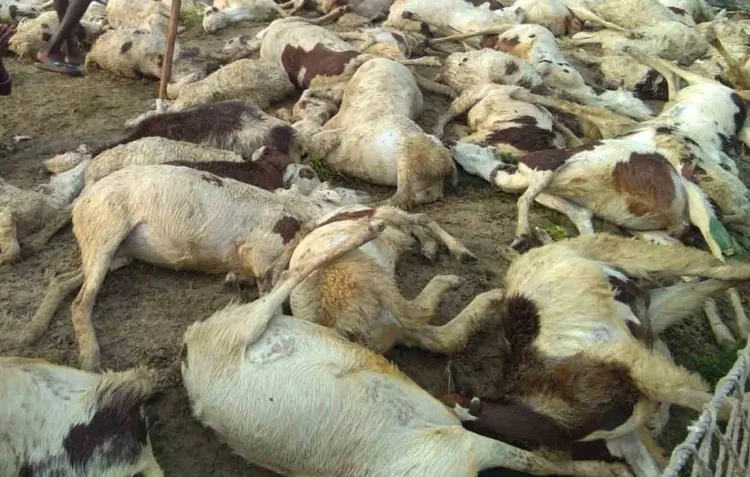
A single lightning strike in J&K's remote Poshkar Kangan grazing belt wiped out nearly 90 animals overnight, devastating a Bakarwal nomadic family from Rajouri. The incident highlights the acute weather vulnerability of migratory communities who travel hundreds of miles each summer to alpine pastures with no shelter from sudden storms.
Key Takeaways
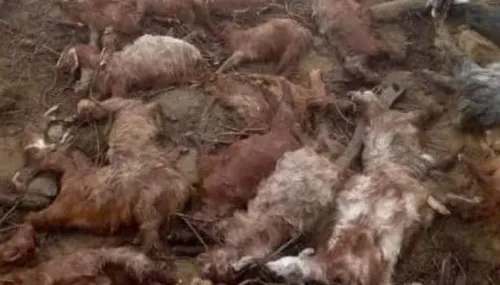
Nearly 90 sheep and goats were killed by lightning in the Dhana Dok area of Poshkar Kangan , Ganderbal district , on the night of 10–11 May 2025 .
The livestock belonged to Mohammad Yaseen Bijran and Abdul Majeed Bijran , nomadic Bakarwals from Sunderbani, Rajouri district .
The family's livelihood depends almost entirely on livestock rearing and seasonal migration to highland pastures.
Police and local authorities were informed and assessed the damage on Monday morning.
Such lightning-related livestock losses are recurring hazards for Bakarwal families during the summer migration season in J&K's alpine zones.
Lightning struck a high-altitude grazing area in Ganderbal district, Jammu and Kashmir, killing nearly 90 sheep and goats belonging to a nomadic family during the intervening night of Sunday–Monday. The incident, reported on Monday, 11 May, has caused a severe financial blow to the affected family, whose entire livelihood depends on livestock rearing.
What Happened
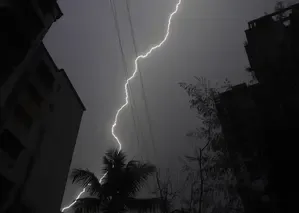
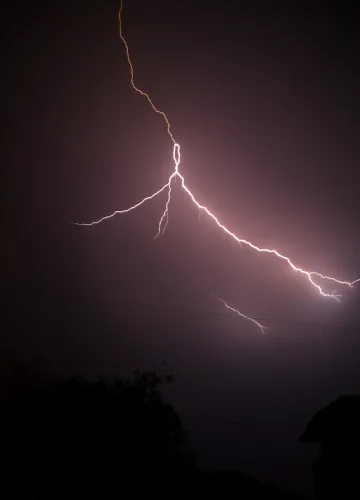
The lightning strike occurred in the Dhana Dok area of Poshkar Kangan, a remote grazing belt in Central Kashmir's Ganderbal district. Locals said the region experienced intense weather activity overnight, and dozens of animals were found dead in the pasture when morning came. According to officials and local accounts, preliminary findings suggest lightning struck the flock directly during the storm.
The livestock reportedly belonged to nomads identified as Mohammad Yaseen Bijran and Abdul Majeed Bijran, sons of Khan Mohammad Bijran, residents of the Sunderbani area of Rajouri district. Police and local authorities were informed and assessed the scale of the damage.
Who the Bakarwals Are
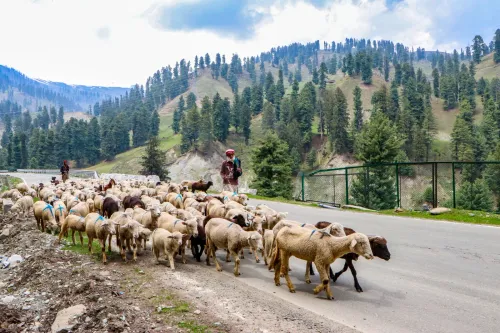
The affected family belongs to the Bakarwal community — nomadic goatherds who undertake seasonal migrations from the plains of Rajouri, Poonch, Reasi, and Ramban districts each summer, travelling hundreds of miles on foot to alpine pastures across the Kashmir Valley. Families typically spend over four months in highland meadows with their livestock, household goods, and specially bred shepherd dogs that guard animals against predators such as leopards, bears, and jackals.
The government has extended several support measures for Bakarwal families, including mobile schools for children and periodic visits by veterinary doctors and nursing staff to the meadows.
A Recurring Risk in Alpine Pastures
Such incidents are not uncommon in the higher reaches of Jammu and Kashmir during the summer migration season. Alpine pastures like Poshkar Kangan are exposed to sudden weather changes, thunderstorms, and lightning — hazards that intensify as nomadic families push deeper into highland terrain. This is the latest in a pattern of weather-related livestock losses that periodically devastate the Bakarwal community's seasonal income.
The loss of nearly 90 animals in a single night represents a catastrophic setback for the Bijran family, whose financial security is almost entirely tied to the size and health of their herd. As authorities complete their damage assessment, the incident has renewed attention on the vulnerability of nomadic communities to extreme weather events in the region's high-altitude zones.
Point of View
No early-warning infrastructure, and no fallback income. The Bakarwals' centuries-old migration routes were not designed around modern weather volatility, and government support, while present, remains episodic. A single storm can erase a family's entire productive asset base overnight. Without a structured livestock insurance scheme that is accessible to mobile, off-grid communities, such losses will continue to be absorbed silently.
NationPress
24 Sept 2026
Frequently Asked Questions
What happened in Ganderbal district on 11 May 2025?
Lightning struck a high-altitude grazing area in Poshkar Kangan, Ganderbal district, killing nearly 90 sheep and goats belonging to a nomadic Bakarwal family from Rajouri overnight. The animals were found dead in the pasture on Monday morning after intense weather activity.
Who owns the livestock that was killed?
The animals reportedly belonged to Mohammad Yaseen Bijran and Abdul Majeed Bijran, sons of Khan Mohammad Bijran, residents of the Sunderbani area of Rajouri district. The family are Bakarwal nomads who migrate seasonally to alpine pastures in Kashmir.
Who are the Bakarwals?
The Bakarwals are a nomadic pastoral community who migrate each summer from districts like Rajouri, Poonch, Reasi, and Ramban to high-altitude meadows in the Kashmir Valley. They travel hundreds of miles on foot with their families and livestock, spending over four months in the highlands.
Why are such incidents common in J&K's highland areas?
Alpine pastures in Jammu and Kashmir are exposed to sudden and intense weather changes during the summer season, including thunderstorms and lightning. Nomadic families camping in open grazing belts have little protection from these weather events, making livestock losses a recurring risk.
What government support exists for Bakarwal families?
The government has provided mobile schools for Bakarwal children and arranged periodic visits by veterinary doctors and nursing staff to highland meadows. However, structured livestock insurance accessible to mobile, off-grid communities remains limited.