Luxury brands shut China stores as consumer demand collapses
Synopsis
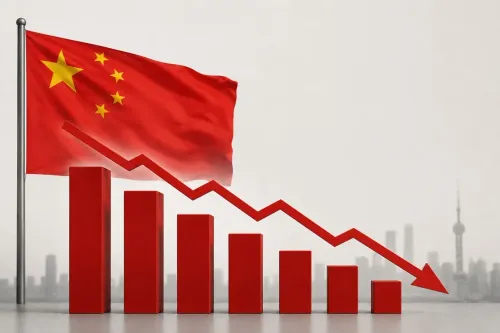
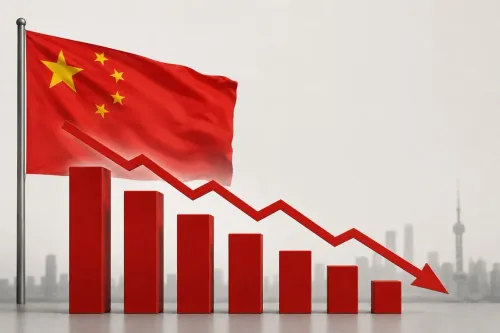
China's luxury boom has gone into reverse — and the numbers are stark. Louis Vuitton, Gucci, Balenciaga, and Rolex are pulling back from a market where high-net-worth buyers plan to cut spending by 10%, second-hand luxury prices have cratered, and malls have turned into ghost towns. Unlike Europe, the US, or Japan, China's luxury slump points to a structural economic fracture, not a cyclical blip.
Key Takeaways
International luxury brands including Louis Vuitton , Gucci , Balenciaga , and Rolex are closing stores across major Chinese cities amid falling demand.
High-net-worth individuals in China reportedly plan to cut luxury purchases by 10 per cent in 2024, citing tax oversight, market volatility, and real estate weakness.
The upper middle class is liquidating luxury assets in the second-hand market, where Rolex watches and Louis Vuitton handbags have lost thousands in value.
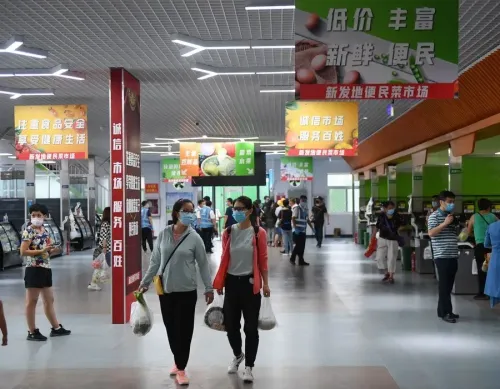
Malls, restaurants, coffee shops, and fresh food markets are also shutting down as everyday consumer spending contracts.
Luxury brands have remained resilient in Europe , the US , and Japan , suggesting the downturn is a China -specific structural issue.
Critics argue the Chinese Communist Party has relied on credit card subsidy patches rather than expanding social safety nets to address the crisis.
International luxury brands including Louis Vuitton, Gucci, Balenciaga, and Rolex are closing stores across major Chinese cities as consumer demand contracts sharply, according to a new report published on 16 September. The retreat marks a dramatic reversal for what was, until recently, the world's most coveted luxury growth market.
Key Developments
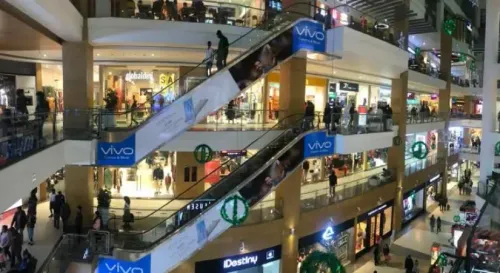
According to the report, high-net-worth individuals in China plan to cut luxury purchases by 10 per cent this year, driven by tighter tax oversight, volatile financial markets, and prolonged weakness in the real estate sector. Boutiques that once thrived on conspicuous consumption now reportedly stand empty, with malls and shopping districts described as 'ghost towns.'
The upper middle class has been particularly hard hit. As the report noted, this segment — 'burdened by mortgages, car loans, and education expenses' — has been forced to offload luxury assets in the second-hand market. Even that outlet has dried up, with Rolex watches and Louis Vuitton handbags reportedly losing thousands in resale value.
The Structural Cracks in China's Economy
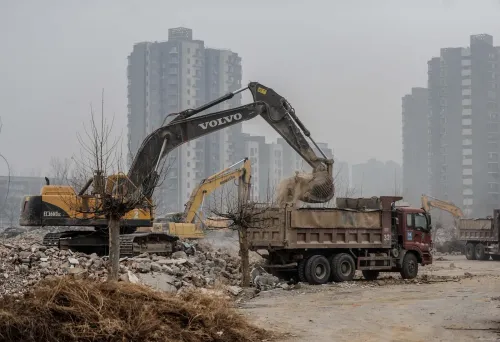
The luxury sector's decline is widely seen as a symptom of deeper structural stress. Falling property values have eroded household wealth and consumer confidence, leaving families carrying heavy debt with little disposable income. Rising unemployment and shrinking savings have compounded the pressure on the middle class.
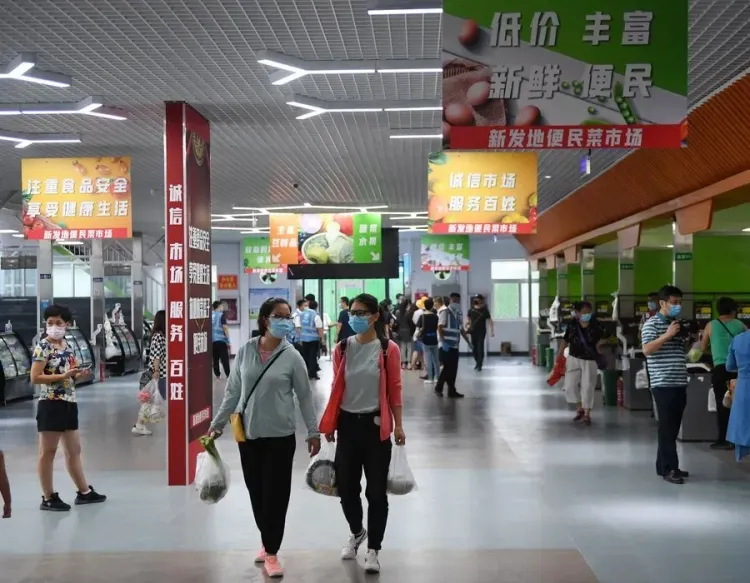
The slowdown is not confined to premium goods. Coffee shops, restaurants, and fresh food markets are also reportedly shutting in growing numbers, signalling that the spending squeeze has moved well beyond discretionary luxury into everyday consumption.
Policy Response Under Scrutiny
Critics argue that the Chinese Communist Party's response has been inadequate. Rather than expanding social safety nets, authorities have reportedly relied on subsidies for credit card repayments — a short-term measure that, according to the report, risks prolonging the economic malaise by creating only an illusion of consumption without addressing underlying demand weakness.
Notably, luxury brands have remained resilient in Europe, the United States, and Japan over the same period, suggesting that the China downturn reflects a country-specific structural problem rather than a global luxury slowdown.
Wider Industry Impact
China's economic deceleration is spreading across sectors, from premium liquor and tobacco to everyday retail and dining, according to the report. The property market crisis — a central pillar of middle-class wealth accumulation in China — has been identified as a key trigger, having eroded consumer confidence far beyond the real estate sector itself.
With government stimulus so far failing to stabilise domestic demand, analysts and industry observers will be watching whether Beijing's next policy moves can reverse the trend before more international brands reassess their long-term China strategies.
Point of View
And its collapse has transmitted directly into a wealth-effect shock that no amount of credit card subsidy can paper over. What mainstream coverage often misses is that the second-hand luxury market's implosion is equally telling: when even resale channels seize up, it signals that distress selling has overwhelmed discretionary demand at every price point. Beijing faces a structural dilemma — stimulus without safety-net reform risks inflating asset bubbles again, while austerity deepens the demand hole. Neither path is clean, and the luxury sector's exit is an early, visible signal of that bind.
NationPress
16 Sept 2026
Frequently Asked Questions
Which luxury brands are closing stores in China?
According to reports, brands including Louis Vuitton, Gucci, Balenciaga, and Rolex are among those closing stores across major Chinese cities. The closures are attributed to falling consumer demand linked to the property market crisis and a contracting middle class.
Why is China's luxury market declining?
China's luxury market is declining due to a combination of factors: a prolonged property market crisis that has eroded household wealth, rising unemployment, shrinking savings, tighter tax oversight, and volatile financial markets. These pressures have sharply reduced disposable income among both wealthy and middle-class consumers.
How much do high-net-worth individuals plan to cut luxury spending in China?
According to surveys cited in the report, high-net-worth individuals in China plan to reduce luxury purchases by 10 per cent this year. Tighter tax scrutiny, unstable financial markets, and long-term real estate weakness are the primary reasons cited.
Is the luxury slowdown a global trend or specific to China?
The slowdown appears to be China-specific. Luxury brands have reportedly remained resilient in Europe, the United States, and Japan over the same period, suggesting that China's downturn reflects structural economic problems rather than a broader global retreat in luxury spending.
What has the Chinese government done to address the consumer demand crisis?
Critics argue that the Chinese Communist Party has relied primarily on subsidies for credit card repayments rather than expanding social safety nets. The report characterises this as a short-term fix that creates an illusion of consumption without resolving the underlying structural demand weakness.