China's toy industry hit by factory closures, job losses amid global slump
Synopsis
China's toy industry — once a pillar of its export economy — is reportedly in one of its deepest slumps in decades. Factories in Yulin, Guangxi shut simultaneously, leaving thousands jobless and sparking worker protests over unpaid wages. With freight rates doubling and crude-driven input costs rising, the crisis lays bare the structural fragility of China's labour-intensive, export-dependent manufacturing model.
Key Takeaways
China's toy industry is reportedly facing one of its most severe downturns in decades, with orders falling sharply across production hubs.
Multiple factories in Yulin, Guangxi shut down on the same day, causing sudden job losses for thousands of workers .
Closures reportedly triggered worker protests over unpaid wages ; local authorities were deployed to manage tensions.
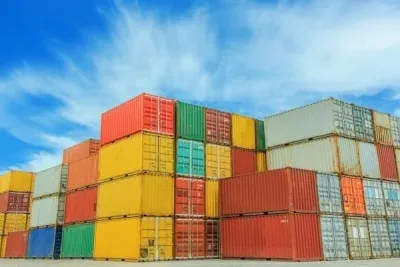
Container freight rates on some routes have reportedly more than doubled compared to previous levels due to geopolitical tensions and maritime disruptions.
Higher crude oil prices have raised the cost of plastics and other raw materials, further squeezing manufacturer margins.
The sector's difficulties reflect broader stress on China's export-led, labour-intensive manufacturing model , according to the report.
China's toy industry is reportedly experiencing one of its most severe downturns in decades, with factory closures and mass job losses spreading across major production hubs as weakening global demand, surging input costs, and persistent supply chain disruptions compound pressure on manufacturers, according to an analysis by PML Daily.
Scale of the Downturn
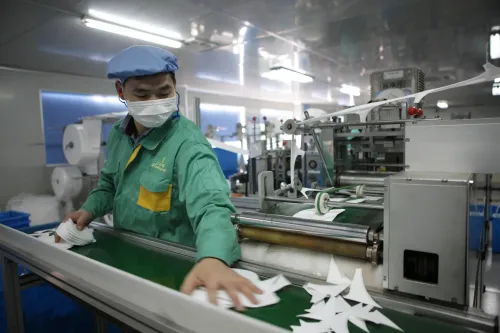
Multiple factories in key industrial clusters have either suspended operations or shut down entirely in recent months, the report noted. In one cited instance, several toy production units in Yulin, Guangxi closed on the same day, resulting in sudden job losses for thousands of workers. The closures reportedly triggered worker protests over unpaid wages and pending dues, prompting local authorities to deploy personnel in affected zones to manage rising labour tensions.
Cost Pressures Squeezing Manufacturers
Manufacturers are contending with a confluence of rising costs. Higher crude oil prices have pushed up the cost of plastics and other raw materials, directly squeezing factory margins. Transportation costs have surged as well, with container freight rates on some major trade routes reportedly more than doubling compared to previous levels, driven by global geopolitical tensions and disruptions in key maritime corridors. Elevated logistics costs are piling further strain on exporters already grappling with weak overseas demand.
Structural Vulnerability of an Export-Dependent Sector
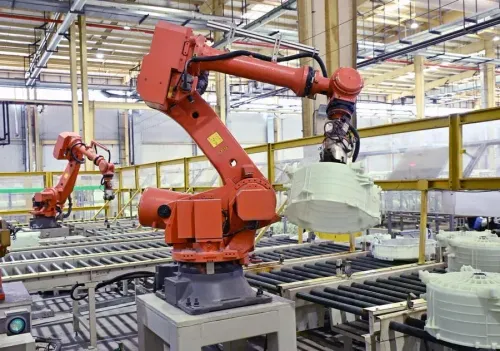
China's toy industry has long been a cornerstone of the country's export manufacturing base, but its heavy dependence on overseas markets leaves it acutely exposed to global demand cycles and external shocks. Critics argue that the sector's current difficulties reflect deeper structural pressures on China's export-led manufacturing model — particularly in labour-intensive industries where margins are thin and global competition is intense. This comes amid a broader softening in discretionary consumer spending across key Western markets.
Wider Implications for Export Manufacturing
The toy sector's distress is not an isolated case. Several firms have scaled back production or shuttered operations entirely, according to the report. Analysts note that the challenges mirror those faced by other low-margin, export-oriented Chinese industries navigating the twin headwinds of demand contraction and cost inflation. Notably, this is unfolding as global supply chains continue to reconfigure in response to geopolitical realignments, with some buyers reportedly diversifying sourcing away from China.
How quickly the industry stabilises will depend on whether global freight costs moderate, overseas consumer demand recovers, and domestic policy support materialises for affected workers and manufacturers.
Point of View
Low-margin sectors are the first to crack when global demand softens and freight costs spike — and the speed of closures in Yulin suggests the stress is acute, not gradual. What mainstream coverage underplays is the social dimension: worker protests over unpaid wages are a politically sensitive signal in China, and the deployment of local authorities points to official anxiety about labour unrest spreading. The deeper question is whether this is a cyclical correction or the beginning of a structural shift, as global buyers accelerate supply-chain diversification away from China.
NationPress
20 Sept 2026
Frequently Asked Questions
Why are China's toy factories closing down?
China's toy factories are closing due to a combination of weakening global demand, rising raw material costs driven by higher crude oil prices, and surging shipping expenses, with container freight rates on some routes reportedly more than doubling. The confluence of these pressures has made operations unviable for many manufacturers, according to an analysis by PML Daily.
Where have the worst factory shutdowns occurred?
Some of the most severe closures have been reported in Yulin, Guangxi, where multiple toy production units shut down on the same day, leading to sudden job losses for thousands of workers. The closures reportedly triggered protests over unpaid wages, prompting local authorities to intervene.
How have shipping costs affected China's toy exporters?
Container freight rates on major trade routes have reportedly more than doubled compared to previous levels, driven by global geopolitical tensions and disruptions in key maritime corridors. These elevated logistics costs are compounding the strain on exporters already facing weak overseas demand.
What does this mean for workers in China's toy industry?
Thousands of workers have reportedly lost jobs following sudden factory closures, and some have staged protests over unpaid wages and pending dues. Local authorities have been deployed in affected industrial zones to manage growing labour tensions, according to the report.
Is China's toy industry crisis part of a broader manufacturing trend?
According to the report, the toy sector's challenges reflect wider pressures on China's export-led manufacturing model, particularly in labour-intensive industries with thin margins and intense global competition. Several other export-oriented sectors are facing similar headwinds from demand contraction and cost inflation.