Did Venezuelan Opposition Leader Machado Present Nobel Medal to Trump at the White House?
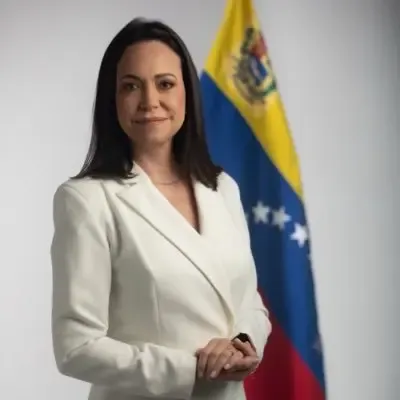
Synopsis
In a momentous meeting, Venezuelan opposition leader Maria Corina Machado gifted her Nobel Peace Prize medal to President Trump, embodying a shared fight for freedom. This encounter highlights the ongoing political dynamics between Venezuela and the US, as both nations navigate complex relations. Discover the historical significance and implications of this unprecedented gesture.
Key Takeaways
Maria Corina Machado presented her Nobel Peace Prize medal to Trump .
The meeting symbolizes a historical bond between Venezuela and the US.
It remains uncertain if Trump formally accepted the medal.
US officials view Venezuela’s interim leadership as cooperative.
Machado's visit follows significant political developments in Venezuela.
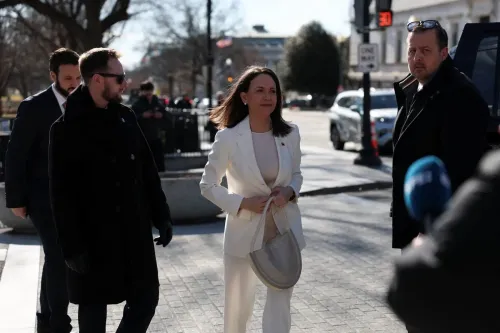
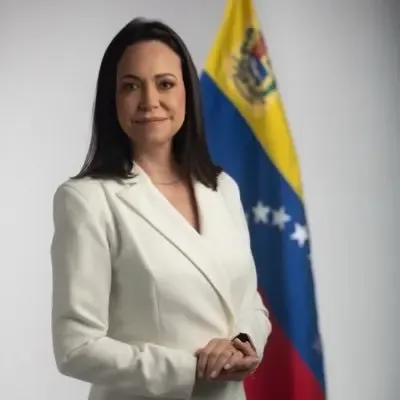
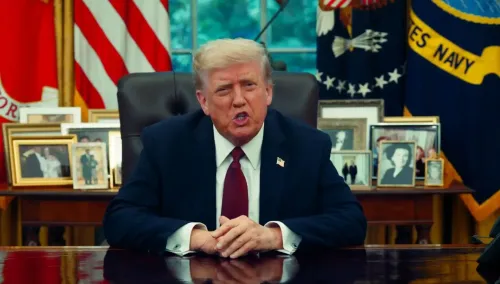
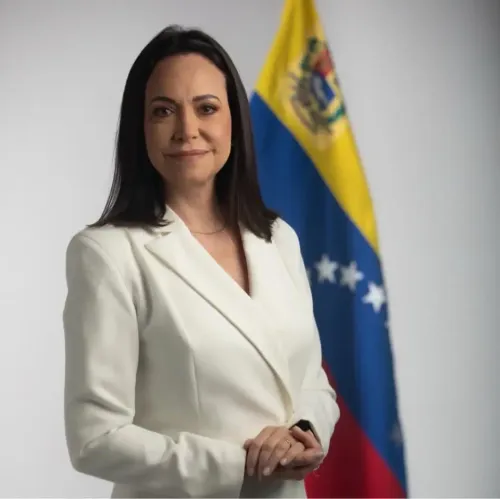
Washington, Jan 16 (NationPress) Venezuelan opposition figure and Nobel Peace Prize recipient Maria Corina Machado revealed that she bestowed her Nobel Peace Prize medal to US President Donald Trump during a private meeting at the White House. She characterized the act as a significant representation of mutual struggles for liberty between their nations.
"I presented the president of the United States with the Nobel Peace Prize medal," Machado stated to reporters in Washington after the meeting.
During the discussion, she recounted a historical incident from two centuries ago, when French General Marquis de Lafayette gifted Venezuelan independence hero Simón Bolivar a medal featuring the image of George Washington.
"Two hundred years of history, the people of Bolivar are returning a medal to the heir of Washington, in this case, the Nobel Peace Prize medal as recognition for his unique commitment to our freedom," Machado informed the press.
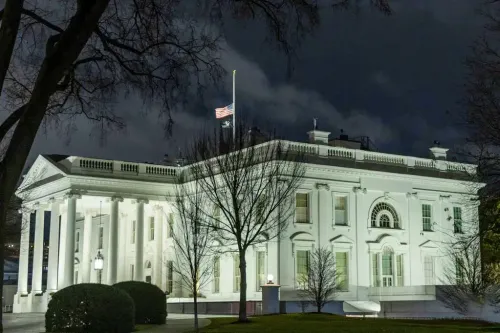
The lunch took place in the Private Dining Room of the White House, marking the first face-to-face meeting between Trump and Machado. Prior to the meeting, White House Press Secretary Karoline Leavitt mentioned that the president was "eager for this meeting" and anticipated a "positive discussion."
She described Machado as "a remarkable and brave voice for many Venezuelans," adding that Trump was keen to understand her views on "the realities in the country and current events."
Leavitt also highlighted that the administration has maintained ongoing communication with Venezuela's interim leadership under Delcy Rodríguez, noting that US officials found them "extremely cooperative." She referenced a $500 million energy agreement and the release of political prisoners, including five Americans, as evidence of that collaboration.
It is uncertain if Trump officially accepted the Nobel medal. The Norwegian Nobel Institute has previously indicated that a Nobel Peace Prize cannot be transferred, shared, or revoked once awarded.
Machado's visit to the White House occurred amid mixed signals from Trump regarding her political future. Earlier this month, he remarked that it would be "very tough" for her to lead Venezuela, stating she "lacks support and respect within the country."
The president has also praised Rodríguez, calling her a "terrific person" following a recent phone conversation, even as lawmakers from both parties have urged continued US support for a democratic transition in Venezuela.
After her meeting at the White House, Machado moved on to Capitol Hill for a bipartisan session with US senators hosted by Senate Democratic Whip Dick Durbin and Senate Foreign Relations Committee Ranking Member Jeanne Shaheen.
"Maria Corina Machado is an extraordinary individual fully deserving of the Nobel Peace Prize after risking her life to foster change in the Venezuelan government and populace," Durbin remarked. Shaheen cautioned that "removing a dictator is not the same as restoring democracy," emphasizing that the United States must ensure Venezuela does not merely transition from one authoritarian regime to another.
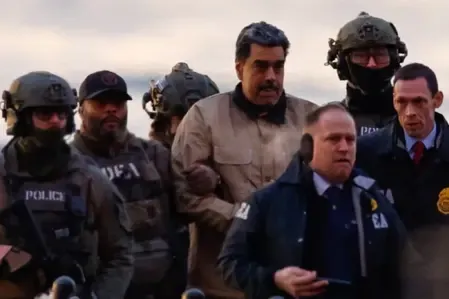
Senators from both parties lauded Machado's leadership and bravery while some criticized the Trump administration's strategy concerning Venezuela following the ousting of Nicolás Maduro.
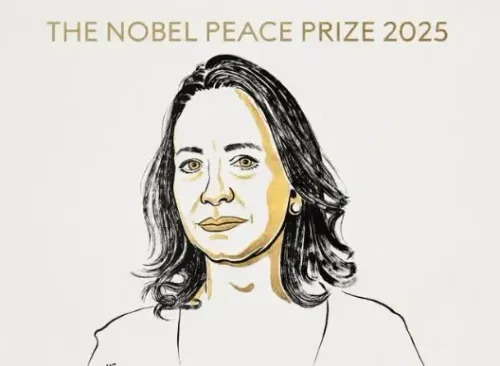
Machado's trip to the US followed a private audience with Pope Leo XIV at the Vatican earlier this week, where she sought his assistance for the release of political prisoners. She made her public return in December after 11 months in hiding to accept the Nobel Peace Prize in Norway.
Point of View
It is crucial to acknowledge the significance of Maria Corina Machado's meeting with President Trump. This act not only represents her commitment to the Venezuelan struggle for democracy but also sheds light on the evolving relationship between the US and Venezuela. It is essential to remain unbiased while examining the political nuances surrounding this event.
NationPress
24 Sept 2026
Frequently Asked Questions
What was the significance of Machado presenting her Nobel medal?
The gesture symbolized the shared struggles for freedom between Venezuela and the US, reflecting historical ties and mutual support.
Did Trump officially accept the Nobel Peace Prize medal?
It remains unclear whether Trump formally accepted the medal, as the Nobel Institute states that such awards cannot be transferred once granted.
What were the main topics discussed during the meeting?
The discussion included Machado's insights on Venezuela's current realities and the ongoing political situation in the country.
How did US officials describe their relationship with Venezuela's interim leadership?
US officials have found Venezuela's interim leadership to be 'extremely cooperative' in recent dealings, including energy agreements and prisoner releases.
What are the implications of Machado's visit to the US?
Machado's visit could influence US-Venezuela relations and further highlight the need for support in Venezuela's democratic transition.