Madras HC closes petition on delay in complaint against Udhayanidhi Stalin
Synopsis
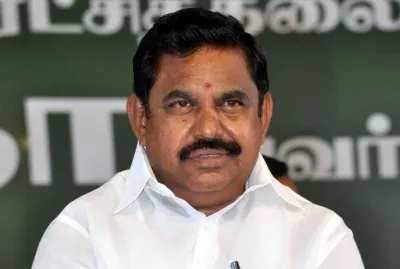
The Madras High Court has closed a petition over the delay in numbering a criminal complaint against Opposition Leader Udhayanidhi Stalin for alleged false declarations in his 2026 election affidavit. The closure is procedural — with the magistrate confirming the complaint has now been numbered, the real legal battle is only just beginning.
Key Takeaways
The Madras High Court on 15 October 2026 closed a petition over delay in processing a complaint against Udhayanidhi Stalin .
Lakshminarayanan passed the order after the Metropolitan Magistrate confirmed the complaint had been numbered and a pre-cognisance notice issued.
Petitioner Milany had filed the complaint on 8 September 2026 under Section 125A of the Representation of the People Act , alleging false declarations in Udhayanidhi's election affidavit.
Milany alleged more than 25 days elapsed without the complaint being numbered, denying him timely access to justice.
The High Court's closure order addresses procedural delay only — it carries no bearing on the merits of the allegations against Udhayanidhi.
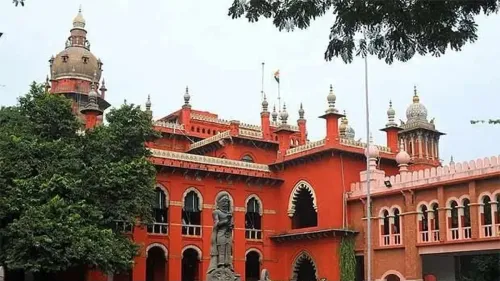
The Madras High Court on Thursday, 15 October 2026 closed a petition challenging the delay in numbering a criminal complaint against Leader of the Opposition Udhayanidhi Stalin over alleged electoral malpractice during the 2026 Tamil Nadu Assembly elections. The court's closure of the case followed confirmation that the procedural formality had been completed — and does not constitute a ruling on the underlying allegations.
How the Case Reached the High Court
The petitioner, Milany — who also contested from Chepauk — approached the High Court seeking a direction to the Metropolitan Magistrate in George Town, Chennai, to expedite the processing of his complaint. Milany had lodged the complaint on 8 September 2026 under Section 125A of the Representation of the People Act, which pertains to false statements in election affidavits.
When questions arose about the complaint's maintainability, Milany provided an oral explanation followed by a written clarification. Despite this, he alleged that more than 25 days passed without the complaint being numbered or returned with rectification instructions, effectively denying him timely access to justice.
The Allegations Against Udhayanidhi
The complaint accused Udhayanidhi Stalin of making false declarations in his election affidavit. Milany claimed that documents obtained from the District Election Officer supported his allegations of corrupt practice and undue influence on voters. Citing a Supreme Court judgment, he argued that false declarations concerning the assets of a candidate or their spouse constituted corrupt practice under election law. He also alleged that Udhayanidhi's political influence and financial resources rendered the unexplained delay particularly concerning.
The High Court's Order
Justice V. Lakshminarayanan passed the closure order after the Metropolitan Magistrate confirmed that the complaint had been numbered and a pre-cognisance notice issued. The High Court had earlier sought a report from the magistrate on the time taken to number the complaint. Once the magistrate's report confirmed the procedural step had been completed, the court disposed of the petition.
Notably, the disposal addresses only the grievance over procedural delay — it carries no implication for the merits of the allegations against Udhayanidhi, which remain to be adjudicated before the magistrate.
Broader Context and What Comes Next
Milany had previously moved the High Court seeking directions to the Election Commission of India (ECI) to furnish election-related documents concerning Udhayanidhi. During those proceedings, the court observed that filing an election petition is a statutory right. Milany had also pointed to the existence of special courts established to expedite proceedings involving MPs and MLAs, arguing that delays in processing complaints against elected representatives undermine their very purpose.
With the complaint now numbered and a pre-cognisance notice issued, proceedings before the magistrate's court are expected to advance. The complaint under Section 125A, if taken up for trial, could have significant implications given Udhayanidhi's position as Leader of the Opposition in the Tamil Nadu Assembly.
Point of View
Not an acquittal — and that distinction matters. The complaint under Section 125A, now formally numbered, keeps alive a legal challenge to Udhayanidhi Stalin's election affidavit at a politically sensitive moment, with the opposition leader's role in Tamil Nadu's political landscape only growing. The 25-day numbering delay itself raises a quieter question: special courts for MPs and MLAs exist precisely to prevent such bottlenecks, and if they are not functioning as intended, that accountability gap deserves scrutiny independent of the individuals involved.
NationPress
15 Oct 2026
Frequently Asked Questions
Why did the Madras High Court close the case against Udhayanidhi Stalin?
The Madras High Court closed the petition because the underlying procedural grievance — the delay in numbering the criminal complaint — had been resolved. The Metropolitan Magistrate confirmed the complaint was numbered and a pre-cognisance notice issued, making the High Court petition infructuous. The closure does not mean the allegations against Udhayanidhi have been dismissed.
What is the complaint against Udhayanidhi Stalin about?
The complaint, filed by petitioner Milany on 8 September 2026 under Section 125A of the Representation of the People Act, alleges that Udhayanidhi Stalin made false declarations in his election affidavit during the 2026 Tamil Nadu Assembly elections. Milany also alleged corrupt practice and undue influence on voters, citing documents from the District Election Officer.
What is Section 125A of the Representation of the People Act?
Section 125A of the Representation of the People Act deals with false statements or declarations by candidates in their election affidavits. A conviction under this provision can attract penal consequences. The Supreme Court has held that false declarations regarding a candidate's or their spouse's assets can constitute corrupt practice.
What happens next in the case?
With the complaint now numbered and a pre-cognisance notice issued by the Metropolitan Magistrate in George Town, Chennai, proceedings before the magistrate's court are expected to move forward. Whether the magistrate takes cognisance of the offence will be the next critical step in the legal process.
Who is Milany and why did he approach the High Court?
Milany is the petitioner who also contested from the Chepauk constituency in the 2026 Tamil Nadu Assembly elections. He approached the Madras High Court after alleging that more than 25 days passed without the magistrate numbering his complaint or returning it with instructions to rectify deficiencies, which he argued denied him timely access to justice.