Maharashtra Cabinet clears unified law for private skill universities
Synopsis
Maharashtra has scrapped a fragmented, university-by-university regulatory model and replaced it with a single law — the Maharashtra Private Skill Universities Act, 2024. In the same sitting, the Fadnavis Cabinet ended a two-decade freeze on Social Work college expansion and approved a new court at Hadgaon to clear 671 pending cases in Nanded. Three distinct governance gaps addressed in one Cabinet session.
Key Takeaways
The Maharashtra Cabinet on 11 August replaced university-specific Acts with the unified Maharashtra Private Skill Universities (Establishment and Regulation) Act, 2024 .
Sponsoring bodies must pay a non-refundable fee of ₹1 crore with their DPR; extensions cost ₹50 lakh per year for up to two years.
Land requirements range from 10 acres (urban) to 25 acres (rural); Mumbai-zone institutions need at least 15,000 sq metres of built space.
Social Work college expansion — frozen since 2001 — is permitted from the 2027–28 academic year; Maharashtra has 69 recognised Social Work colleges.
A new District and Additional Sessions Court at Hadgaon, Nanded will absorb 671 pending cases at a project cost of ₹1.83 crore .
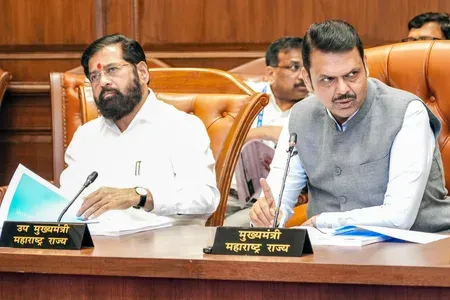
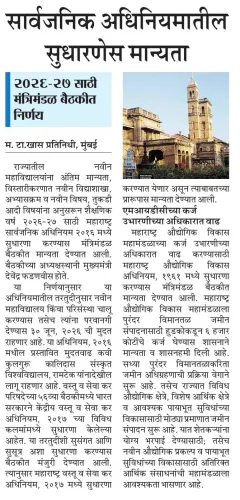
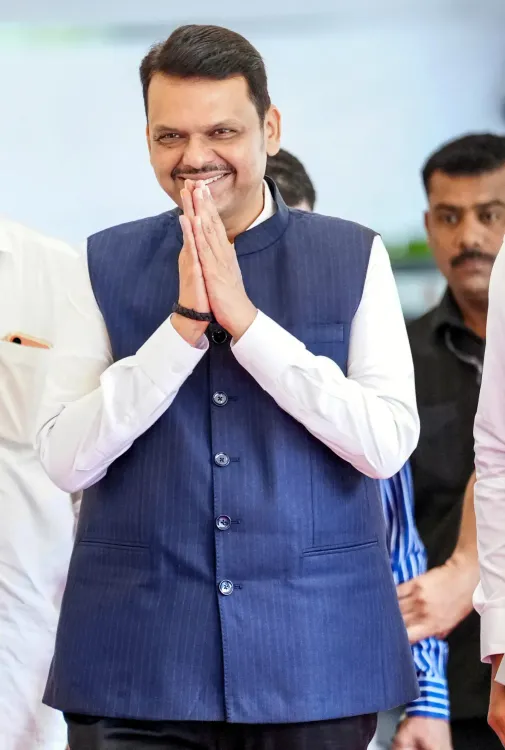
The Maharashtra Cabinet, chaired by Chief Minister Devendra Fadnavis, on Tuesday, 11 August approved a sweeping overhaul of the regulatory framework governing self-financed private skill universities in the state. The move replaces a patchwork of university-specific Acts with a single unified statute — the Maharashtra Private Skill Universities (Establishment and Regulation) Act, 2024 — and simultaneously repeals the earlier Government Resolution dated 5 February 2021.
Key Provisions of the New Framework
Under the revised rules, sponsoring bodies seeking to establish a private skill university must submit a Detailed Project Report (DPR) accompanied by a non-refundable fee of ₹1 crore. Once a Letter of Intent (LoI) is issued, sponsors have one year to file compliance reports. Up to two one-year extensions may be granted at ₹50 lakh per year — equivalent to 50 per cent of the original proposal fee. Failure to comply within the permitted window triggers automatic cancellation of the LoI, with no exceptions noted in the Cabinet decision.
Any subsequent amendment or modification to a university's constituent Act will attract a processing fee of ₹50 lakh.
Land and Infrastructure Requirements
The Cabinet has prescribed differentiated land norms based on geography. New skill universities will require a minimum of 25 acres in rural areas, 15 acres at tehsil or district headquarters, and 10 acres in urban zones — excluding BrihanMumbai Municipal Corporation (BMC) and Thane Municipal Corporation limits. Within Metropolitan Region Development Authority (MRDA) zones, the threshold is 10 acres plus an endowment fund of ₹10 crore.
In Mumbai City, Mumbai Suburbs, and Thane Municipal limits, a standalone building with at least 15,000 sq metres of constructed space is mandatory. Such buildings may be self-owned or leased for a minimum of 30 years, though land transfer rights are explicitly prohibited.
Social Work Education Expansion After Two-Decade Freeze
In a separate but significant decision, the Cabinet approved the creation of independent Social Work faculties within traditional colleges and permitted existing Social Work colleges to launch additional unaided divisions from the 2027–28 academic year. This reverses restrictions that had been in place since 2001 and 2004, when the Social Justice Department froze new college approvals and seat expansions citing market saturation.
The policy shift follows the transfer of Social Work education to the Higher and Technical Education Department in February 2024, after which an expert committee recommended aligning the framework with the National Education Policy (NEP). Maharashtra currently has 69 recognised Social Work colleges — comprising 47 aided, 18 permanently unaided, 1 partially aided, 2 with aided faculties, and 1 closed institution.
New Court at Hadgaon to Ease Judicial Backlog in Nanded
The Cabinet also approved the establishment of a District and Additional Sessions Court along with a Public Prosecutor's Office at Hadgaon in Nanded district, eastern Maharashtra. The project carries a sanctioned outlay of ₹1.83 crore and will create 25 posts — 19 regular and 6 outsourced — plus 4 dedicated positions in the prosecutor's office.
The new facility is expected to absorb 671 pending cases — 344 civil and 327 criminal — currently handled by courts in Nanded, significantly reducing travel time and legal costs for litigants in the region. This is part of a broader state push to improve judicial access in underserved eastern Maharashtra.
Together, Tuesday's Cabinet decisions signal a concerted effort by the Fadnavis government to modernise higher education governance, expand social sector capacity, and decentralise judicial infrastructure across the state.
Point of View
But the real test lies in enforcement. Maharashtra's previous university-specific Acts created regulatory arbitrage — each institution lobbied for bespoke terms, making consistent oversight near-impossible. The new fee structure (₹1 crore entry, ₹50 lakh for extensions and amendments) introduces a financial deterrent against frivolous applications, but does nothing to address quality benchmarking, which remains conspicuously absent from the Cabinet note. On Social Work education, reversing a 23-year freeze is welcome, but expanding unaided divisions without a simultaneous jobs-demand audit risks recreating the very saturation the 2001 freeze was meant to solve. The Hadgaon court approval is the least controversial of the three decisions — 671 pending cases and high travel costs for litigants made it an easy call.
NationPress
26 Sept 2026
Frequently Asked Questions
What is the Maharashtra Private Skill Universities (Establishment and Regulation) Act, 2024?
It is a unified state law approved by the Maharashtra Cabinet on 11 August to govern all self-financed private skill universities under a single regulatory framework, replacing the earlier system of separate Acts for each institution. The previous Government Resolution of 5 February 2021 stands repealed under this decision.
What fees must a sponsor pay to set up a private skill university in Maharashtra?
Sponsors must submit a Detailed Project Report with a non-refundable fee of ₹1 crore. If compliance is not met within one year of the Letter of Intent, extensions cost ₹50 lakh per year for up to two years. Any amendment to a university's constituent Act attracts an additional processing fee of ₹50 lakh.
What are the land requirements for new private skill universities in Maharashtra?
Requirements vary by location: 25 acres in rural areas, 15 acres at tehsil or district headquarters, 10 acres in urban zones, and 10 acres plus a ₹10 crore endowment fund in MRDA zones. In Mumbai City, Mumbai Suburbs, and Thane Municipal limits, a standalone building of at least 15,000 sq metres is required instead.
Why is the expansion of Social Work colleges significant?
Maharashtra had frozen new Social Work college approvals and seat expansions since 2001 and 2004, citing market saturation. The Cabinet's decision to permit additional unaided divisions from 2027–28 ends a more than two-decade-long freeze, following an expert committee recommendation to align with the National Education Policy and address rising demand for trained social workers.
What is the new court approved at Hadgaon in Nanded, and why does it matter?
The Cabinet approved a District and Additional Sessions Court and a Public Prosecutor's Office at Hadgaon in Nanded district, eastern Maharashtra, at a cost of ₹1.83 crore. The facility will handle 671 pending cases transferred from Nanded — 344 civil and 327 criminal — reducing travel burden and legal costs for litigants in the region.