Maharashtra Cabinet panel clears withdrawal of 44 agitation-linked cases
Synopsis
Maharashtra's Cabinet Sub-Committee has cleared 44 more agitation-linked cases for withdrawal — covering everything from Ganeshotsav celebrations to labour protests — taking the running total to 121 since the panel was formed. The move signals a deliberate state policy to distinguish between genuine criminal conduct and prosecutions arising from political or social mobilisation.
Key Takeaways
Maharashtra Cabinet Sub-Committee on 17 June recommended withdrawal of 44 cases linked to religious, political, and social agitations.
Combined with an earlier recommendation of 77 cases , the cumulative total now stands at 121 cases cleared for withdrawal.
Of 133 applications reviewed, 14 were referred to regional committees led by Deputy Commissioners of Police.
Cases span Ganeshotsav , Navratrotsav , Dahi Handi , cattle protection movements, and labour agitations.
Crimes against women, serious criminal offences, and civil disputes are explicitly excluded from the withdrawal policy.
Matters involving sitting and former MLAs and MPs can only be decided by the Bombay High Court , per Supreme Court directions.
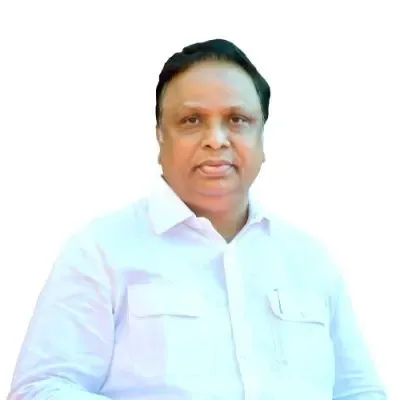
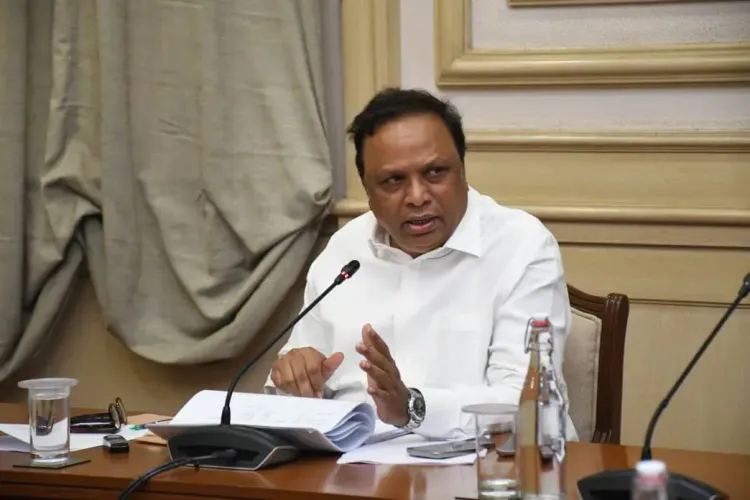
Maharashtra Cultural Affairs Minister and Cabinet Sub-Committee Chairman Ashish Shelar on Wednesday, 17 June announced that the panel has recommended the withdrawal of 44 cases registered during religious, political, and social agitations across the state. The recommendation has been forwarded to the state government for final approval.
Key Developments
The Cabinet Sub-Committee, constituted specifically to review cases arising from political and social agitations in Maharashtra, had previously recommended the withdrawal of 77 cases at an earlier sitting. Wednesday's decision adds 44 more, bringing the cumulative total to 121 cases cleared for withdrawal across both meetings.
During the 17 June meeting, the committee reviewed 133 applications pertaining to police-registered cases. Of these, 44 applicants received a favourable recommendation, while 14 cases were referred back for reconsideration before regional committees headed by Deputy Commissioners of Police.
What the Committee Examined
The 133 applications reviewed spanned a wide range of agitation-linked matters. Among the 35 cases under separate scrutiny, some had already been disposed of, while 32 cases fell outside the committee's jurisdiction. Only eight cases remain pending for consideration, according to a statement issued by Minister Shelar's office.
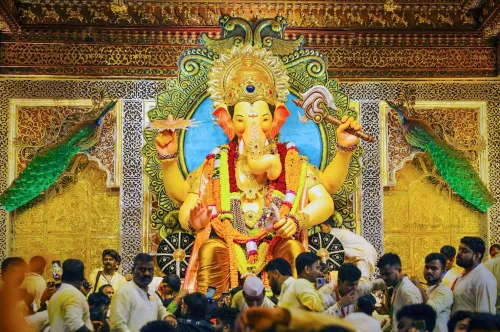
Cases recommended for withdrawal on Wednesday included those connected to Ganeshotsav, Navratrotsav, Dahi Handi celebrations, social programmes, cattle protection movements, and labour agitations, among others.
What the Government Said
Minister Shelar stated that social activists, political party workers, protesters, and participants in ideological movements had frequently been subjected to what he described as unnecessary cases. He asserted that providing relief from such unwarranted prosecutions is a responsibility of the state government.
The committee, however, drew a firm line on certain categories. Offences involving crimes against women, serious criminal matters, and personal or civil disputes cannot be pardoned under the state government's existing policy, and the panel declined to recommend withdrawal in such instances.
Limits of the Panel's Authority
In line with government resolutions and directions of the Supreme Court, matters involving sitting and former Members of the Legislative Assembly (MLAs) and Members of Parliament (MPs) can only be conclusively decided by the Bombay High Court. The committee confirmed that necessary steps are being taken in this regard.
The meeting was attended by the Principal Secretary of the Law and Judiciary Department, the Director of the Directorate of Public Prosecution, Home Department officials, and senior police officers from across Maharashtra.
What Happens Next
With the committee's recommendation now forwarded to the state government, formal withdrawal proceedings are expected to follow through the appropriate legal channels. The 14 cases referred to regional Deputy Commissioner-led panels will be re-examined before any further recommendation is made. The eight pending cases before the sub-committee are also likely to be taken up at the next sitting.
Point of View
44 more now — point to a structured political calculus: the ruling dispensation in Maharashtra is systematically clearing the legal slate for party workers and social movement participants ahead of what remains a volatile electoral environment. The exclusion of crimes against women and serious offences provides a policy guardrail, but the definition of 'unnecessary cases' rests entirely with the committee itself, with no independent audit mechanism visible in the public record. The referral of MLA and MP cases to the Bombay High Court, while legally correct, also conveniently insulates the most politically sensitive decisions from the sub-committee's direct accountability. Whether this process amounts to principled relief or selective amnesty will depend on the transparency of the regional panels now reviewing the remaining 14 referred cases.
NationPress
17 Sept 2026
Frequently Asked Questions
What did the Maharashtra Cabinet Sub-Committee decide on 17 June 2025?
The Cabinet Sub-Committee recommended the withdrawal of 44 cases registered during religious, political, and social agitations across Maharashtra. The recommendation has been forwarded to the state government for final approval.
How many cases has the sub-committee recommended for withdrawal in total?
Across two sittings, the sub-committee has recommended withdrawal of 121 cases — 77 at an earlier meeting and 44 more on 17 June. The committee was constituted specifically to review agitation-linked prosecutions and recommend withdrawal where appropriate.
What types of cases were cleared for withdrawal?
Cases recommended for withdrawal included those linked to Ganeshotsav, Navratrotsav, Dahi Handi celebrations, social programmes, cattle protection movements, and labour agitations, among others.
Which cases cannot be withdrawn under the state government's policy?
Offences involving crimes against women, serious criminal matters, and personal or civil disputes are explicitly excluded from the withdrawal policy. The committee declined to recommend withdrawal in all such instances.
What happens to cases involving sitting or former MLAs and MPs?
In accordance with government resolutions and Supreme Court directions, cases involving sitting and former MLAs and MPs can only be finally decided by the Bombay High Court. The committee confirmed that necessary steps are being taken through that channel.