Maharashtra to build 34.83 lakh groundwater recharge structures by May 2027: CM Fadnavis
Synopsis
With nearly 90% of Maharashtra under drought and crop losses mounting, CM Devendra Fadnavis has committed to constructing over 34.83 lakh groundwater recharge structures by May 2027 — merging Jalyukt Shivar 3.0, PMKSY, and MGNREGA into a single convergence push. The scale is unprecedented, but the real test is whether fund utilisation — already flagged as slow under the Jal Jeevan Mission — can keep pace with an ambitious deadline.
Key Takeaways
Maharashtra will build 34,83,940 groundwater recharge structures by May 2027 under the Jal Sanchay: Jan Bhagidari campaign.
Nearly 90 percent of the state is currently under drought conditions due to the El Niño effect, with significant crop losses reported.
Jalyukt Shivar 3.0 will be launched across 18,000 villages , with funds from PMKSY , MGNREGA , and other schemes converged.
Seasonal rivers of 50 km or more will be targeted for revival; rooftop rainwater harvesting mandated for private and government buildings.
Jal Jeevan Mission fund utilisation to be raised to 50 percent by December ; a joint Centre-state meeting proposed for state-specific challenges.
Progress will be monitored by the Chief Secretary and department heads; District Collectors to lead all departmental coordination.
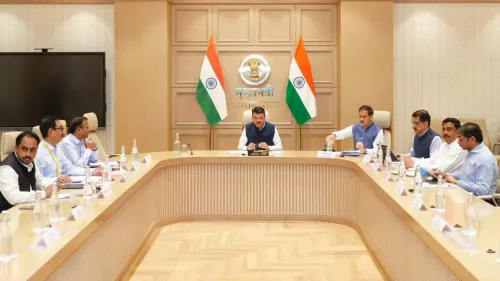
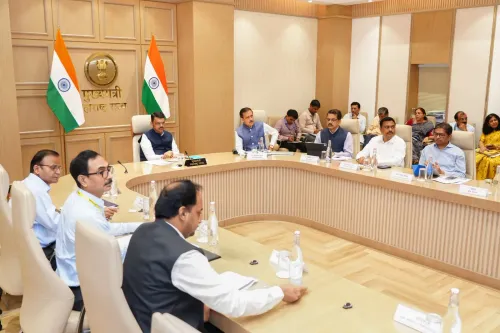
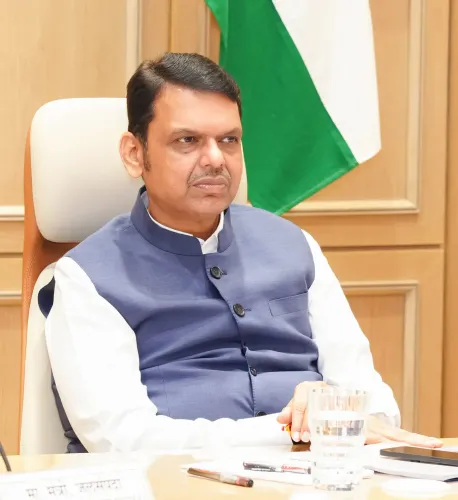
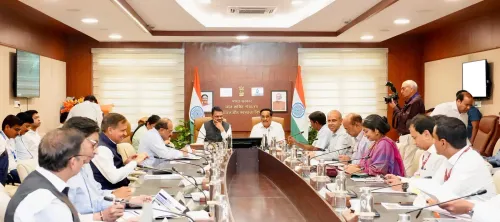
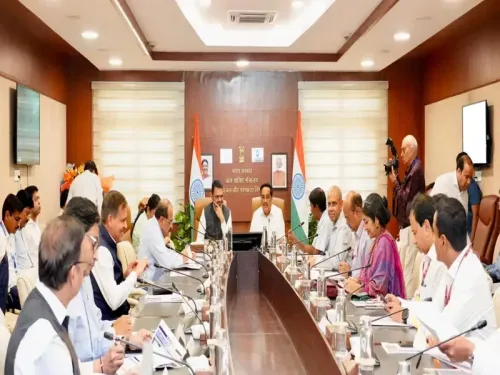
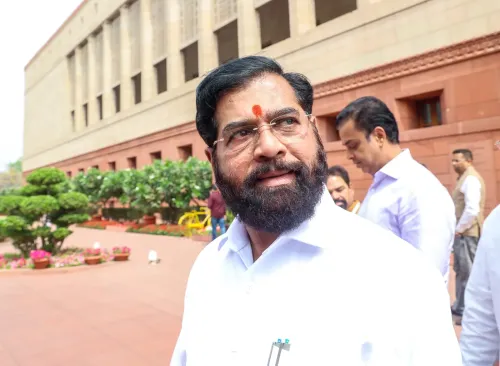
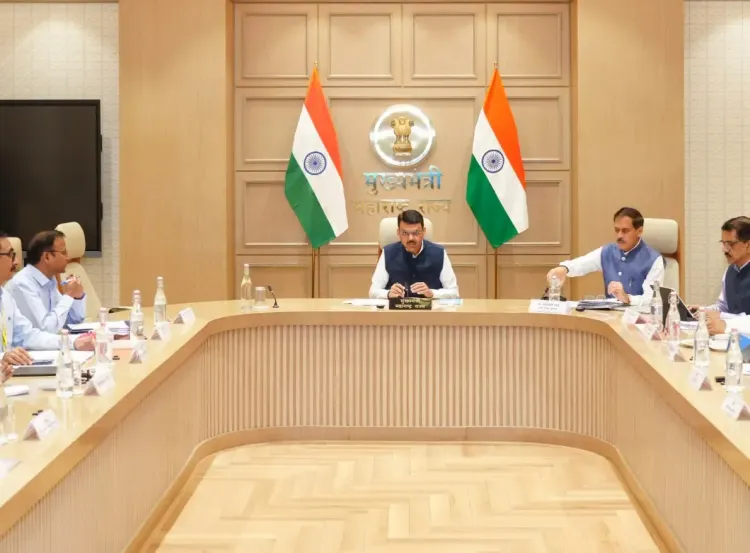
Maharashtra Chief Minister Devendra Fadnavis on Thursday, 19 November 2026, unveiled a sweeping water conservation action plan committing the state to completing 34,83,940 groundwater recharge structures by May 2027. The announcement came during a high-level review meeting on the Jal Shakti Abhiyan (Jal Sanchay: Jan Bhagidari 3.0) chaired via video conferencing by Union Jal Shakti Minister C R Patil, with the initiative running under the Central Government's Jal Sanchay: Jan Bhagidari campaign.
Scale of the Crisis
Chief Minister Fadnavis acknowledged that Maharashtra is currently grappling with a severe drought triggered by the El Niño effect, with nearly 90 percent of the state reeling under drought conditions and suffering substantial crop losses. With drinking water demand expected to surge in the coming months, the state is pivoting the crisis into an opportunity by prioritising the rejuvenation of old water bodies, repair of lakes, and construction of farm ponds and recharge pits.
Fadnavis directed all departments to work in close coordination and meet the stipulated targets within the deadline, with progress to be regularly monitored by the Chief Secretary, Additional Chief Secretaries, and respective department heads.
Jalyukt Shivar 3.0 and Scheme Convergence
The state government will launch the third phase of its flagship Jalyukt Shivar scheme across 18,000 selected villages. To maximise effectiveness, funds and works from Jalyukt Shivar 3.0, the Pradhan Mantri Krishi Sinchayee Yojana (PMKSY), MGNREGA, and other schemes will be converged under a unified execution framework. The Chief Minister specified that all projects will undergo scientific planning, mapping, and on-ground execution.
Departmental responsibilities have been clearly delineated: the Forest Department will handle construction of forest check dams (vanbandhare) and forest ponds (vantale), while the Public Works and Urban Development departments have been tasked with implementing rooftop rainwater harvesting systems across private residences and government buildings. All departments — including Rural Development, Forest, PWD, Urban Development, Agriculture, and Water Supply — will operate under the leadership of District Collectors.
Revival of Seasonal Rivers and Special Central Aid
A notable component of the plan is the revival of seasonal rivers stretching 50 kilometres or more that currently flow only during the monsoon and remain dry for the remainder of the year. Fadnavis also urged the Centre to go beyond existing norms and provide special financial assistance to Maharashtra for repairing existing structures and creating new farm ponds and recharge pits, citing the severity of the ongoing drought.
Jal Jeevan Mission and Fund Utilisation
Reviewing the Jal Jeevan Mission, Chief Minister Fadnavis acknowledged that fund utilisation has been slower than expected and announced instructions to raise expenditure to 50 percent by December. The state is focusing on two pillars for the mission's long-term sustainability: securing reliable water sources and ensuring timely payment of electricity bills. Fadnavis also proposed a joint Centre-state meeting to address state-specific challenges, noting that a 'one-size-fits-all' approach cannot resolve localised hurdles.
The state further plans to channel local area development funds from public representatives into water conservation and organise state-level awards and competitions — modelled on Jalyukt Shivar and the Water Cup — to foster public participation.
Union Minister's Directive on Community and Technical Partnerships
Union Jal Shakti Minister C R Patil emphasised realising Prime Minister Narendra Modi's vision of trapping village water within the village and farm water within the farm through public participation. 'If every citizen undertakes small water conservation measures in their homes and farms, it can lead to a massive rise in groundwater levels,' Patil said. He recommended partnering with premier technical institutions such as the IITs for design, technical guidance, and training, and instructed officers to personally intervene to clear implementation bottlenecks.
With the May 2027 deadline now formally set, the breadth and coordination of this plan will be closely watched as Maharashtra heads into the next monsoon cycle.
Point of View
But the drought crisis it responds to is partly a governance story too — the state's Jal Jeevan Mission fund utilisation has already been flagged as laggard by the Chief Minister himself. Convergence of PMKSY, MGNREGA, and Jalyukt Shivar funds is a sensible structural move, but past iterations of Jalyukt Shivar faced scrutiny over inflated completion numbers and limited hydrological verification. The 34.83 lakh structures figure sounds decisive, but without independent scientific monitoring of groundwater recharge outcomes — not just construction counts — it risks repeating the same accountability gap. The El Niño trigger also underscores a deeper problem: Maharashtra's water infrastructure remains reactive rather than climate-resilient by design.
NationPress
19 Nov 2026
Frequently Asked Questions
What is the Maharashtra groundwater recharge plan announced by CM Fadnavis?
Maharashtra Chief Minister Devendra Fadnavis announced a plan to construct 34,83,940 groundwater recharge structures by May 2027 under the Centre's Jal Sanchay: Jan Bhagidari campaign. The plan includes rejuvenating old water bodies, building farm ponds, recharge pits, and reviving seasonal rivers, with multiple government schemes converged for funding.
Why is Maharashtra facing a water crisis in 2026?
Nearly 90 percent of Maharashtra is under drought conditions due to the El Niño effect, which has caused deficient rainfall, crop losses, and an anticipated surge in drinking water demand. The state is treating the crisis as an opportunity to accelerate long-term water conservation infrastructure.
What is Jalyukt Shivar 3.0 and how many villages will it cover?
Jalyukt Shivar 3.0 is the third phase of Maharashtra's flagship water conservation scheme, to be launched across 18,000 selected villages. Its funds will be converged with PMKSY, MGNREGA, and other central and state schemes to maximise on-ground impact.
What is the status of the Jal Jeevan Mission in Maharashtra?
CM Fadnavis acknowledged that fund utilisation under the Jal Jeevan Mission has been slower than expected, and has directed that expenditure be raised to 50 percent by December. A joint Centre-state meeting has been proposed to address state-specific implementation challenges.
How will the Maharashtra water plan be monitored?
Progress toward the May 2027 deadline will be regularly monitored by the Chief Secretary, Additional Chief Secretaries, and respective department heads. District Collectors will lead coordination across all departments, including Rural Development, Forest, PWD, Urban Development, Agriculture, and Water Supply.