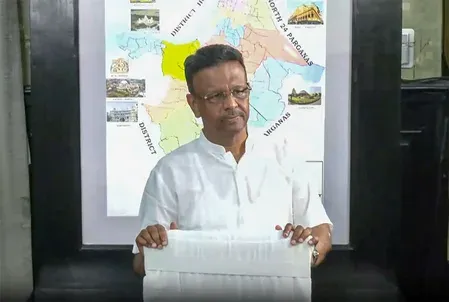
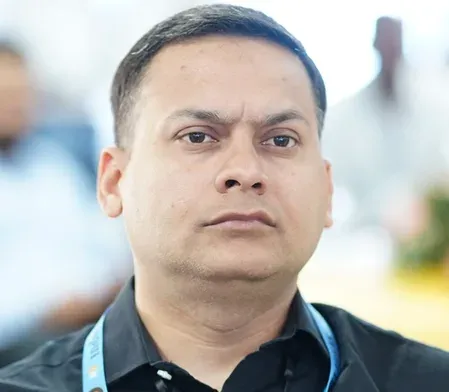
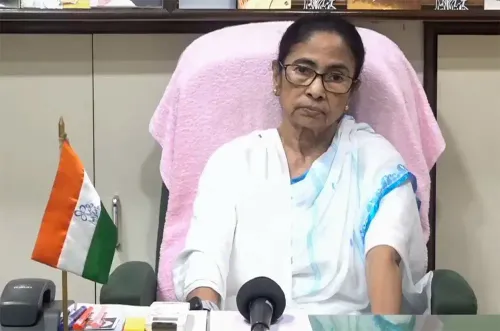
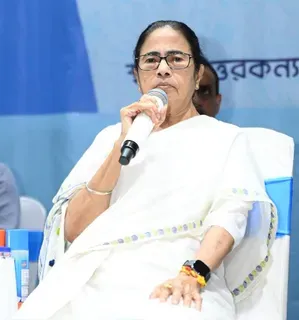
Mamata Banerjee vows fresh start as TMC splinters into three factions
Synopsis
Mamata Banerjee's Facebook Live defiance on 15 July masks a deeper crisis: the party she built from nothing in 1998 has fractured into three factions, with a rebel bloc already replacing her as national chairperson. Her 'I did it before, I can do it again' bet is the most consequential gamble of her political career.
Key Takeaways
Mamata Banerjee declared on 15 July via Facebook Live that she is prepared to rebuild her political career from scratch, as she did in 1998 .
The Trinamool Congress (TMC) has split into at least three factions; the Mamata– Abhishek Banerjee bloc is reportedly the minority grouping.
A rebel faction led by expelled legislator Ritabrata Banerjee holds a majority in the TMC legislative party and has installed Arup Roy as national chairperson in place of Mamata.
Kakoli Ghosh Dastidar and Satabdi Roy , two of TMC's 28 Lok Sabha members, have quit and joined the Nationalist Citizens Party of India (NCPI) .
Mamata dismissed nepotism allegations over Abhishek Banerjee , saying defectors left out of 'greed or fear.' The Election Commission of India (ECI) may be called to adjudicate rival claims over the TMC name and symbol.
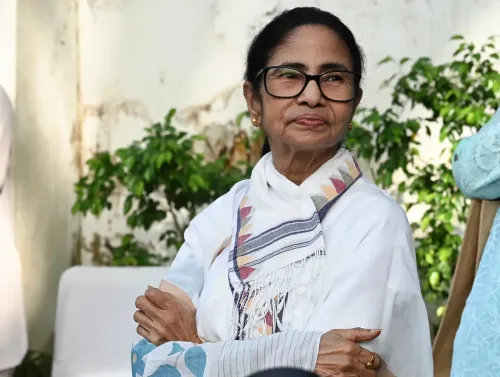
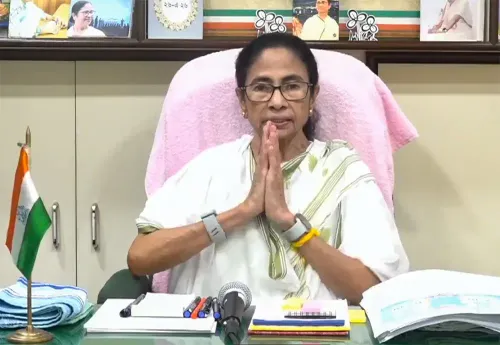
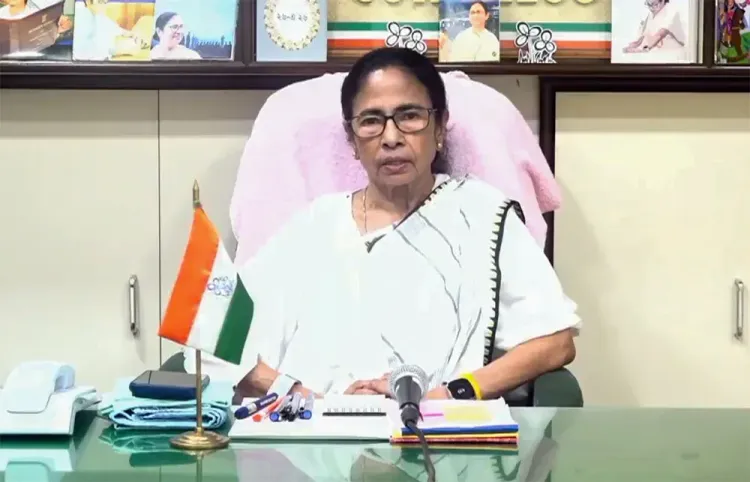
Former West Bengal Chief Minister Mamata Banerjee on Wednesday, 15 July declared via a Facebook Live message that she is unafraid of rebuilding her political career from the ground up, even as the All India Trinamool Congress (TMC) she founded fractures into at least three competing factions. The defiant statement comes at one of the most turbulent moments in her three-decade political journey.
The Fracture Inside TMC
The Trinamool Congress is now effectively divided into three blocs. The faction led by Mamata Banerjee and her nephew and party general secretary Abhishek Banerjee is, according to reports, the 'original but minority' grouping within the party structure.
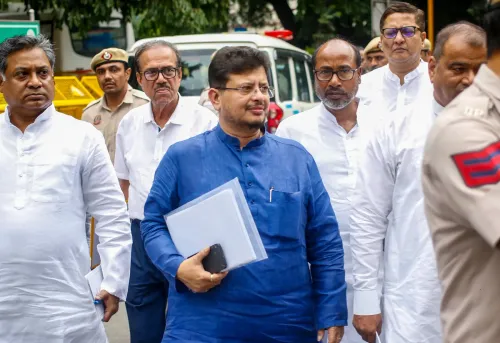
A rebel faction led by expelled party legislator Ritabrata Banerjee has reportedly secured a majority in both the TMC legislative party in the West Bengal assembly and in the party's new national working committee. The rebel bloc has replaced Mamata Banerjee as national chairperson with veteran legislator Arup Roy.
Separately, two of the party's 28 Lok Sabha members — four-time MP Kakoli Ghosh Dastidar and Satabdi Roy — have departed and joined the Nationalist Citizens Party of India (NCPI), a Tripura-based outfit that had been virtually dormant until this development.
Mamata's Defiance: 'I Did It in 1998, I Can Do It Again'
In her Facebook Live address, Mamata Banerjee drew a pointed parallel to 1998, when she broke away from the Indian National Congress (INC) to establish the Trinamool Congress entirely on her own. She said that if she could build a party from nothing then, she could do so again in 2026.
She argued that voters in the recently concluded West Bengal assembly election cast their ballots for the TMC's traditional party symbol — which she described as her own creation — not for those who have since defected. She offered a public apology to those voters on behalf of what she called 'traitors' within the party.
Banerjee also noted that at the time of the party's founding she was entirely alone, whereas today she has 28 MPs and a larger number of MLAs behind her, framing the current challenge as comparatively more manageable.
Abhishek Banerjee and the Nepotism Charge
Dissidents have cited Mamata Banerjee's alleged favouritism toward her nephew Abhishek Banerjee as a primary reason for the split. She dismissed those claims, calling Abhishek a scapegoat and asserting that he 'is still fighting against all odds and will continue to fight for the next 50 years.'
She attributed the departures to either personal greed or political fear rather than any legitimate internal grievance, a framing that the rebel faction has not publicly addressed as of this report.
What This Means for West Bengal Politics
The TMC's fragmentation is a significant development for West Bengal's political landscape ahead of future electoral cycles. A weakened TMC — regardless of which faction ultimately retains the party's legal identity and symbol — could redraw opposition and ruling-party dynamics in the state. The Election Commission of India (ECI) will likely be called upon to adjudicate rival claims over the party name and symbol, a process that could take months and further destabilise both factions. Mamata Banerjee's ability to consolidate loyalists quickly will determine whether her 'start from scratch' declaration translates into a credible political comeback or remains a rallying cry without organisational backing.
Point of View
The 'scratch' she starts from will be far deeper than 1998. Mainstream coverage is treating this as a dramatic comeback story; the harder question is whether the institutional infrastructure of the TMC — cadre, funds, district units — follows the name or follows the majority faction.
NationPress
14 Oct 2026
Frequently Asked Questions
Why is Mamata Banerjee saying she will start from scratch?
Mamata Banerjee made the statement on 15 July after the Trinamool Congress she founded split into three factions, with a rebel bloc led by expelled legislator Ritabrata Banerjee taking majority control of the legislative party and the national working committee. She drew a parallel to 1998, when she built the TMC from nothing after leaving the Congress.
What are the three factions of the Trinamool Congress?
According to reports, the TMC has divided into: the Mamata Banerjee–Abhishek Banerjee faction (reportedly the minority); the rebel faction led by Ritabrata Banerjee, which now holds the majority in the legislative party and has installed Arup Roy as national chairperson; and a breakaway group of two Lok Sabha MPs, Kakoli Ghosh Dastidar and Satabdi Roy, who have joined the Nationalist Citizens Party of India (NCPI).
Who is Abhishek Banerjee and why is he at the centre of the TMC split?
Abhishek Banerjee is Mamata Banerjee's nephew and the TMC's general secretary. Rebel leaders have cited her alleged favouritism toward him as a key reason for the split. Mamata has rejected this, calling it an excuse, and said Abhishek will 'continue to fight for the next 50 years.'
What happens to the TMC's party symbol now?
With rival factions claiming ownership of the Trinamool Congress, the Election Commission of India (ECI) is likely to be approached to adjudicate which faction holds the legal right to the party name and its traditional symbol. Such disputes can take months to resolve and can significantly affect electoral prospects.
Who is Arup Roy and what is his new role in TMC?
Arup Roy is a veteran Trinamool Congress legislator who has been installed as the party's national chairperson by the rebel majority faction, replacing Mamata Banerjee in that position as part of the internal reorganisation.