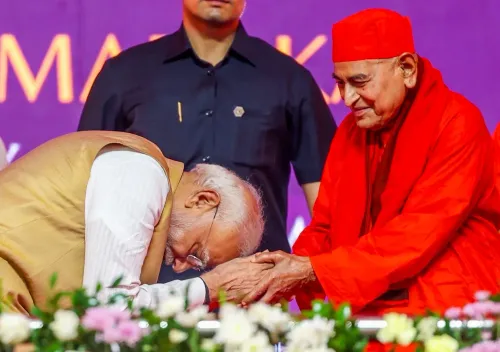
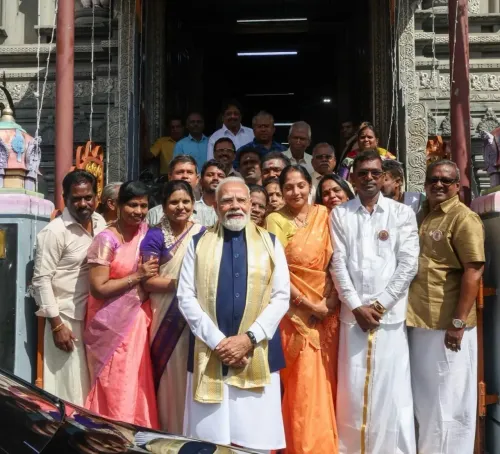
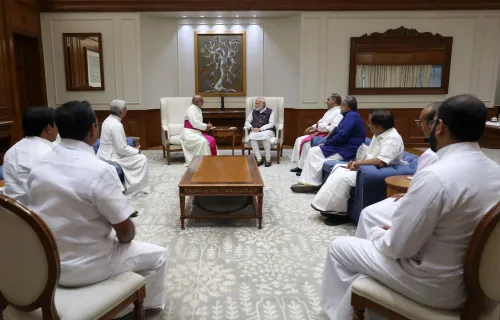
Mar Thoma Church thanks PM Modi for release of 3 Kerala detainees in Saudi Arabia
Synopsis
The Malankara Mar Thoma Syrian Church has publicly thanked PM Modi for securing the release of three of its members — Dannaymon, Liju Mathew, and Mathew Cheriachen — from a Saudi Arabian retention centre. The church's supreme head wrote directly to the PMO, crediting 'sincere and sustained' diplomatic efforts and the Indian embassy's coordination in bringing the men home.
Key Takeaways
The Malankara Mar Thoma Syrian Church , headquartered in Thiruvalla , formally thanked PM Narendra Modi via a letter dated 9 September 2026 .
Three church members — Dannaymon , Liju Mathew , and Mathew Cheriachen — were held at a retention centre in Saudi Arabia before their release.
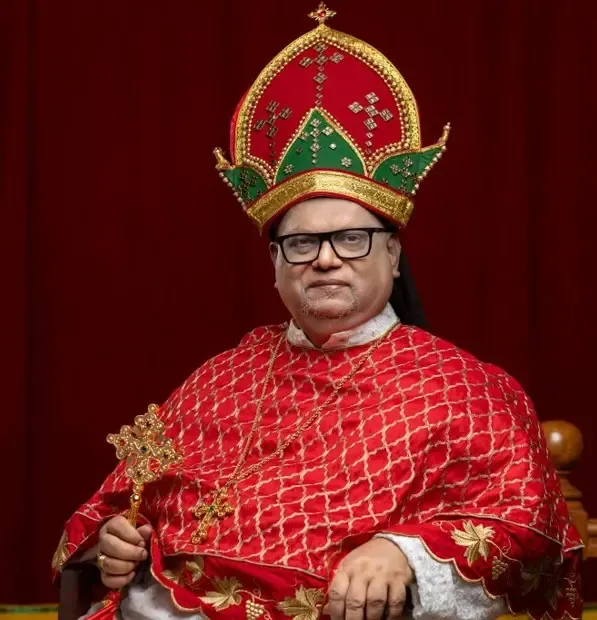
Theodosius Mar Thoma Metropolitan , the church's supreme head, praised the PMO 's 'prompt intervention and compassionate attention'.
The Embassy of India in Saudi Arabia was specifically credited for its coordination in securing the release.
The church described the release as bringing 'immense relief and joy' to the detainees, their families, and the wider community.
The Malankara Mar Thoma Syrian Church has formally thanked Prime Minister Narendra Modi and the Government of India for securing the release of three of its members who were held at a retention centre in Saudi Arabia. The church's gratitude was conveyed through a letter dated 9 September 2026, addressed directly to the Prime Minister from Thiruvalla, the headquarters of the church.
The Letter and Who Signed It
Theodosius Mar Thoma Metropolitan, the supreme head of the Malankara Mar Thoma Syrian Church, authored the letter, crediting the Prime Minister's Office (PMO) for what he described as its 'sincere and sustained efforts' in securing the release of Dannaymon, Liju Mathew, and Mathew Cheriachen. The Metropolitan specifically praised the 'prompt intervention and compassionate attention' extended by the PMO throughout the process.
The letter also acknowledged the crucial coordination role played by the Embassy of India in Saudi Arabia, noting that the diplomatic mission's involvement was central to bringing the detainees home. According to the communication, the release has brought 'immense relief and joy' to the three men, their families, and the broader church community.
What the Detainees Faced
The three church members — Dannaymon, Liju Mathew, and Mathew Cheriachen — had been held at a retention centre in Saudi Arabia, though the letter does not specify the circumstances that led to their detention. Retention centres in the Gulf region are typically used to hold individuals pending deportation or resolution of immigration and legal matters. Their release, facilitated through Indian diplomatic channels, marks a successful consular intervention for the Kerala-based church community.
The Diplomatic Dimension
This case adds to a pattern of Indian diplomatic efforts to assist its citizens and community members detained in Gulf countries. India maintains a large diaspora presence across the Gulf Cooperation Council (GCC) region, with Kerala accounting for a significant share of Indian workers in Saudi Arabia. Consular interventions of this nature, while often handled quietly, carry considerable weight for affected families and communities. Notably, the church's decision to write formally to the Prime Minister — and to make the letter public — underscores the significance it attaches to the diplomatic effort.
Church's Closing Words
In concluding the letter, Theodosius Mar Thoma Metropolitan offered prayers for Prime Minister Modi's continued service, expressing hope that 'God Almighty would continue to grant him wisdom, strength, and grace.' The letter stated: 'Please accept, Honourable PM Sir, our profound appreciation for your valued intervention and support.'
The development reflects the ongoing importance of Indian consular services for the country's large expatriate and migrant communities in the Gulf, and the role of community institutions in formally recognising diplomatic outcomes.
Point of View
A historically significant institution in Kerala, chose to write formally to the PMO and share the communication signals how seriously the community views these interventions. What the letter does not reveal is how the three men came to be detained, a gap that matters for understanding whether this was an isolated consular success or part of a broader pattern of unresolved vulnerabilities facing Indian workers and community members in Saudi Arabia. With Kerala supplying one of the largest shares of Indian labour to the Gulf, the institutional response to such cases deserves more systematic public scrutiny than a single thank-you letter can provide.
NationPress
29 Sept 2026
Frequently Asked Questions
Which church members were released from Saudi Arabia?
Three members of the Malankara Mar Thoma Syrian Church — Dannaymon, Liju Mathew, and Mathew Cheriachen — were released from a retention centre in Saudi Arabia following Indian diplomatic intervention. Their release was confirmed in a letter from the church's supreme head to PM Modi dated 9 September 2026.
What is the Malankara Mar Thoma Syrian Church?
The Malankara Mar Thoma Syrian Church is a historic Christian denomination headquartered in Thiruvalla, Kerala. It is led by Theodosius Mar Thoma Metropolitan and has a significant presence among Kerala's Christian community, including members working abroad in the Gulf region.
What role did the Indian government play in the release?
The Prime Minister's Office and the Embassy of India in Saudi Arabia were credited with facilitating the release. The church's letter cited the PMO's 'sincere and sustained efforts' and the embassy's coordination as central to bringing the three detainees home.
Why were the three men held in a Saudi retention centre?
The letter from the church does not specify the circumstances that led to the detention of Dannaymon, Liju Mathew, and Mathew Cheriachen. Retention centres in Saudi Arabia are typically used to hold individuals pending resolution of immigration or legal matters before deportation or release.
How significant is Indian diplomatic intervention in Gulf detention cases?
India maintains one of the largest diaspora communities in the Gulf, with Kerala accounting for a major share of Indian workers in Saudi Arabia. Consular interventions to assist detained citizens are a regular, if often quietly handled, function of Indian embassies in the region, and successful cases carry considerable relief for affected families and communities.