What Did PM Modi Discuss with Syro-Malabar Bishops?
Synopsis
In a notable encounter, PM Modi engaged with Syro-Malabar bishops to address critical issues facing the Christian community in India, signaling a commitment to inclusivity and dialogue. The meeting highlights the role of faith-based institutions in national discourse and the government's openness to addressing minority concerns.
Key Takeaways
PM Modi emphasized his availability to support the Christian community .
The meeting addressed minority rights and community welfare.
Delegation led by Major Archbishop Mar Raphael Thattil .
Kerala BJP leaders participated, reinforcing political engagement.
Request made for the Pope to be invited to India.
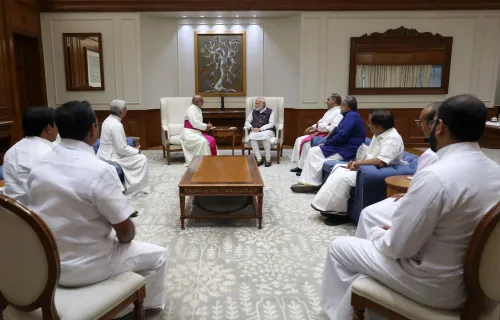
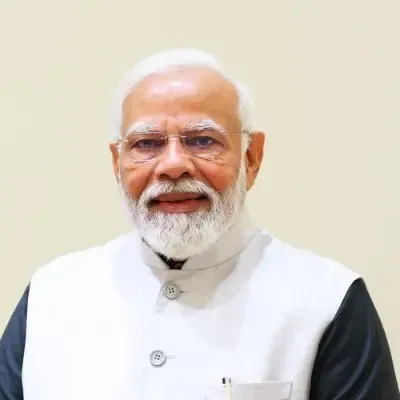
New Delhi, Nov 4 (NationPress) Prime Minister Narendra Modi convened with a group of esteemed bishops from the Syro-Malabar Church in the capital on Tuesday to deliberate on pressing matters impacting the Church and the broader Christian community in India.
During the meeting, the Prime Minister expressed, “I am always at your service,” addressing the delegation.
Led by Major Archbishop Mar Raphael Thattil, the delegation included Archbishop Mar Kuriakose Bharanikulangara from the Faridabad Archdiocese along with other prominent bishops of the Syro-Malabar Church.
Among the three churches in Kerala that are loyal to the Pope, the Syro-Malabar Church holds the most influence.
This cordial and constructive meeting concentrated on the well-being of Christian minorities and their contributions to India’s social and developmental landscape.
Attendees included Kerala BJP officials such as State President Rajeev Chandrasekhar and party member Shone George.
Chandrasekhar later informed the press that the meeting was largely a courtesy visit wherein bishops voiced concerns regarding micro-minority rights and community development.
“The Prime Minister listened attentively and assured the delegation that the government is open to dialogue on all issues,” Chandrasekhar remarked.
He further emphasized that the BJP’s stance is one of inclusivity, prioritizing governance that transcends religious boundaries.
“We do not view matters through a religious lens. Our party serves all individuals, and the rule of law will always take precedence. The BJP is, and will continue to be, a party dedicated to service,” stated the state president.
The bishops presented a request to PM Modi to facilitate an invitation for the Pope to visit India.
Sources indicate the bishops appreciated the Prime Minister’s assurances and expressed optimism for ongoing collaboration in education, social welfare, and community involvement.
This meeting is significant as it highlights the Church's increasing interaction with national political figures, indicating a developing dialogue between faith-based organizations and the government on issues of minority welfare, social unity, and inclusive development.
Point of View
It is crucial to recognize the significance of this meeting between PM Modi and the Syro-Malabar bishops. It reflects a growing trend of dialogue between faith leaders and political figures. The government's willingness to engage with minority communities underscores its commitment to inclusivity, ensuring all voices are heard in the development narrative.
NationPress
29 Sept 2026
Frequently Asked Questions
What was the purpose of PM Modi's meeting with the Syro-Malabar bishops?
The meeting aimed to discuss issues affecting the Church and the Christian community in India, focusing on welfare and minority rights.
Who led the delegation of bishops that met PM Modi?
The delegation was led by Major Archbishop Mar Raphael Thattil.
What did PM Modi assure the bishops during the meeting?
PM Modi assured the bishops that the government is open to dialogue on all issues concerning the Christian community.
What key topics were discussed during the meeting?
The meeting covered welfare of Christian minorities, micro-minority rights, and community development.
How does this meeting reflect the relationship between faith and politics?
The meeting illustrates an evolving dialogue between faith-based institutions and the government, emphasizing the importance of inclusivity in governance.