How are PM Modi and EU Leaders Working to Enhance Cooperation through FTA?
Synopsis
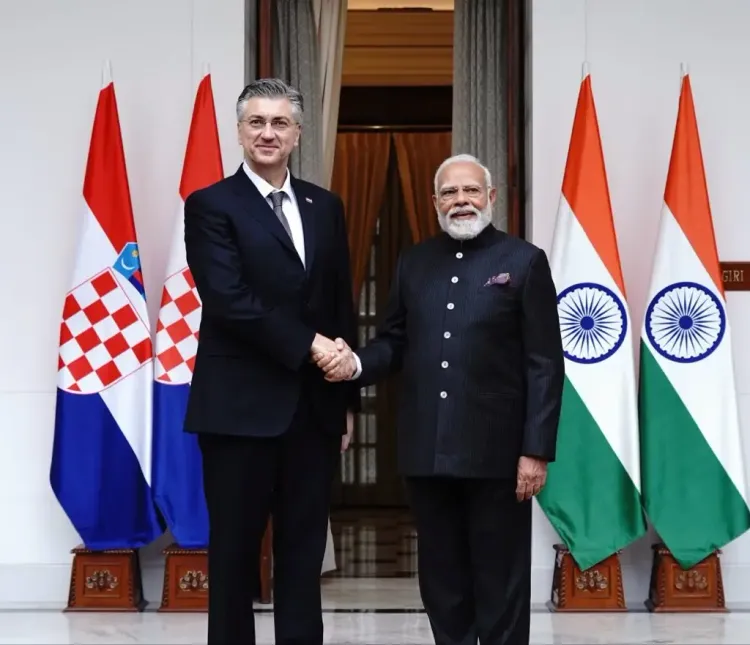
Prime Minister Narendra Modi held crucial discussions with Croatian PM Andrej Plenkovic about implementing the India-EU Free Trade Agreement (FTA), aimed at enhancing bilateral relations. This dialogue, part of the AI Impact Summit in New Delhi, also included key topics such as AI, clean energy, and cultural interests.
Key Takeaways
Strengthened bilateral ties between India and Croatia.
Focus on early implementation of the India-EU FTA .
Collaboration in AI and clean energy .
Interest in Indology and Yoga from Croatia.
Future cooperation in 6G and biofuels .
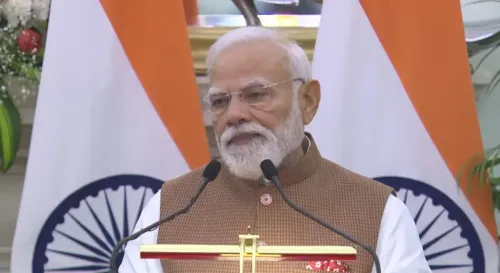
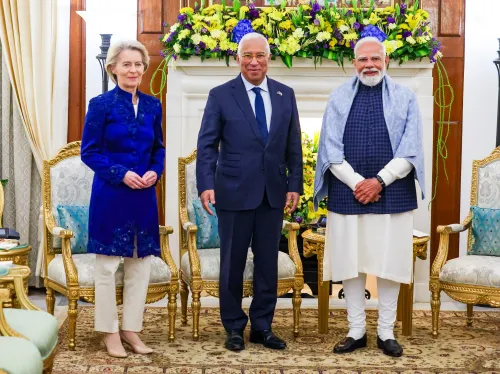
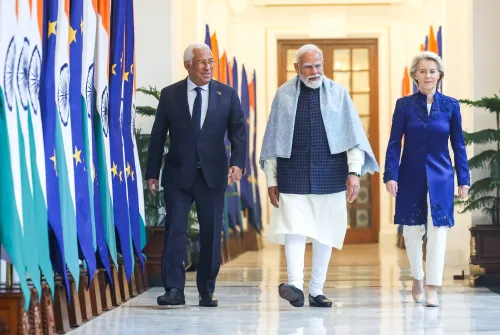
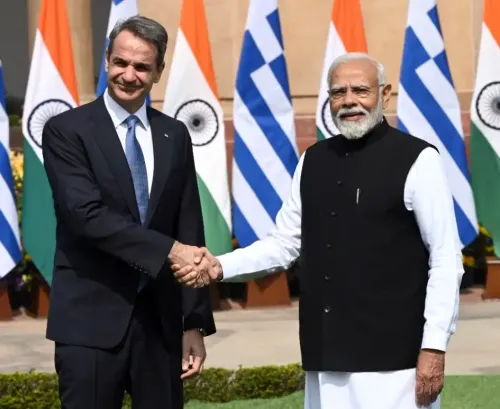
New Delhi, Feb 18 (NationPress) Prime Minister Narendra Modi engaged in discussions with his Croatian counterpart, Andrej Plenkovic, on Wednesday regarding the swift execution of the India-European Union Free Trade Agreement (FTA), aimed at further solidifying their bilateral relations.
These discussions took place during the AI Impact Summit, a five-day event hosted in New Delhi.
The Ministry of External Affairs (MEA) later stated, "Both leaders shared insights on enhancing India-Croatia relations and exploring new areas of mutual collaboration, such as AI, information and communication technologies, innovation, and clean energy. They agreed to expedite the implementation of the India-EU FTA."
Prime Minister Modi expressed appreciation for the strong interest among the Croatian populace in Indology and traditional Indian practices like Yoga and Ayurveda.
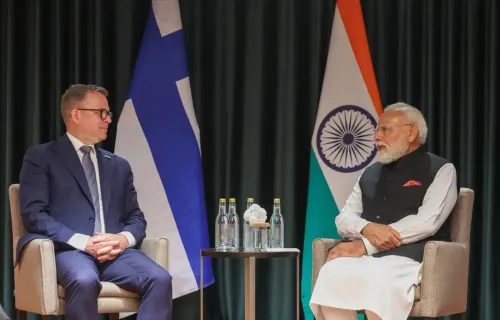
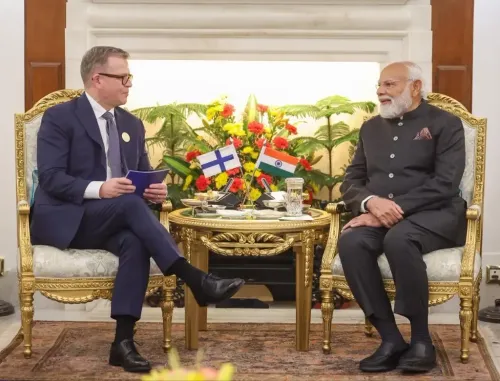
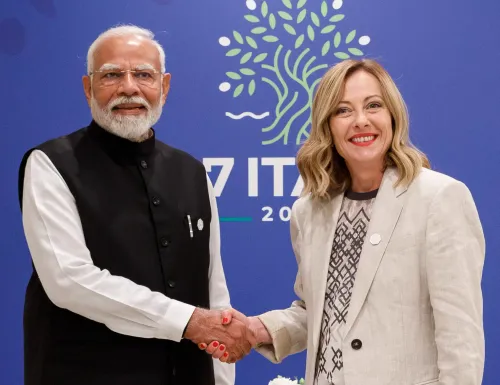
Earlier that day, Modi also met with Finnish Prime Minister Petteri Orpo, focusing on advancing collaboration in areas such as sustainability, digitalisation, AI research, and ethical innovation.
PM Modi conveyed gratitude to the Finnish leader for his personal backing of the India-EU FTA. He remarked, "We had extensive discussions, and I appreciated Mr. Orpo's personal support for the India-EU FTA, which heralds a new era in India-Europe relations. Our target is to double trade, significantly enhancing economic ties," as he shared on X.
The discussions also covered advancing cooperation in innovative technologies such as 6G, biofuels, circular economy, and more.
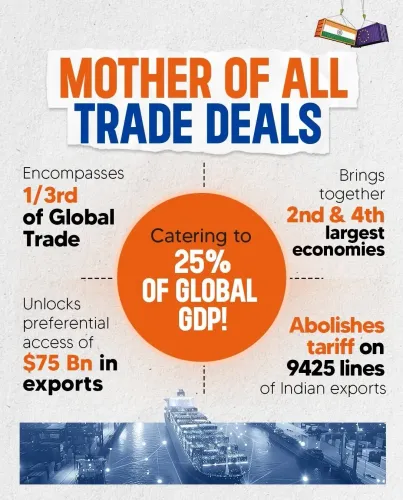
On January 26, the negotiations between India and the European Union for the Free Trade Agreement reached a conclusion, aiming to create a vast trading bloc of 2 billion people, reducing tariffs on goods like automobiles, alcoholic beverages, and food products, while enhancing market access for services and fostering collaboration in sectors like clean technology and digital trade.
This agreement, often referred to as the 'Mother of All Deals', significantly opens up markets while ensuring gradual tariff reductions, with India safeguarding sensitive sectors such as dairy and agriculture.
Point of View
Paving the way for economic growth and technological advancements.
NationPress
3 Oct 2026
Frequently Asked Questions
What is the India-EU Free Trade Agreement?
The India-EU Free Trade Agreement is a proposed trade deal aimed at reducing tariffs and enhancing trade between India and the European Union, covering various sectors including goods and services.
Why is the meeting between PM Modi and European leaders significant?
The meeting highlights India's commitment to strengthen its economic ties with Europe, focusing on cooperation in technology, sustainability, and cultural exchange.
What areas of collaboration were discussed?
Key areas of collaboration discussed include artificial intelligence, clean energy, digitalisation, and innovative technologies such as 6G.
How does this agreement benefit India?
The agreement is expected to open new markets for Indian products, foster technological innovation, and boost economic ties with Europe.
What cultural interests were acknowledged in the discussions?
PM Modi acknowledged the Croatian people's interest in Indology, Yoga, and Ayurveda, which reflects a cultural connection between the two nations.