Students at centre of every decision, says Meghalaya CM Conrad Sangma at Shillong school event
Synopsis
Meghalaya CM Conrad Sangma, speaking at a Shillong school's 126th anniversary, laid bare a striking imbalance — 9,000 primary schools feeding into just over 100 colleges — and committed to funding over 700 schools currently receiving zero government support. His message: spending ₹4,000 crore a year means nothing if students aren't placed at the heart of every decision.
Key Takeaways
Meghalaya CM Conrad K.
Sangma declared on 4 November 2026 that students must be central to every education-sector decision.
The state's CM IMPACT programme has raised the SSLC pass percentage from nearly 50% failure to over 90% pass .
Meghalaya has about 9,000 Lower Primary schools but only ~500 Higher Secondary schools and just over 100 colleges , creating a dropout funnel.
The government spends close to ₹4,000 crore annually on education, yet Sangma cautioned spending alone is not the measure of success.
Financial support is being planned for more than 700 secondary and higher secondary schools that currently receive no government aid.
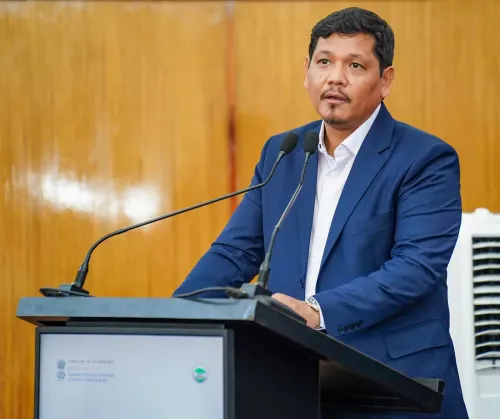
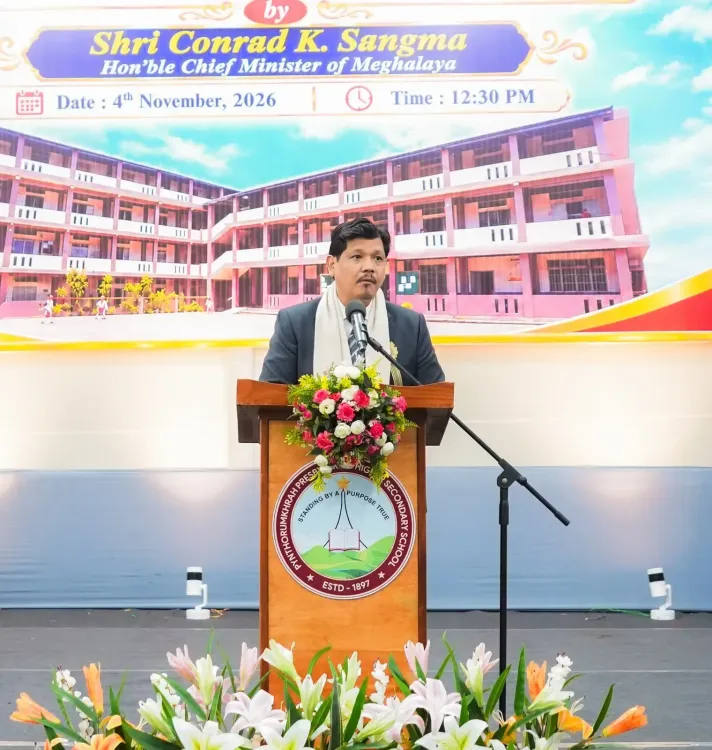
Meghalaya Chief Minister Conrad K. Sangma on Tuesday, 4 November 2026, declared that every decision in the state's education sector must place students at the centre, warning that infrastructure upgrades and increased government spending alone cannot guarantee quality learning outcomes. He made the remarks at Shillong during the 126th anniversary celebrations of Presbyterian Higher Secondary School.
Key Developments at the Event
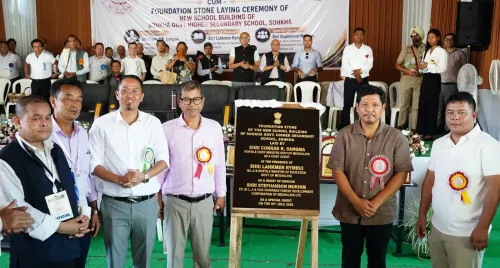
At the anniversary function, Chief Minister Sangma inaugurated the institution's new Higher Secondary Section and laid the foundation stone for its school auditorium. Calling education 'one of the most powerful tools for bringing social change,' he said investing in children and schools was the greatest investment any government could make.
From Failure to Recovery: The CM IMPACT Story
Sangma recalled a troubling phase when nearly 50 per cent of students in Meghalaya were failing the SSLC examinations, a situation he said had 'crushed the dreams of thousands of young students even before they could begin pursuing them.' The government's CM IMPACT programme has since helped push the pass percentage to over 90 per cent. However, Sangma stressed that the focus must now shift from pass rates to genuine learning quality.
The Infrastructure Gap: 9,000 Primary Schools, Only 100 Colleges
The Chief Minister highlighted a stark structural imbalance in Meghalaya's education system. The state has around 9,000 Lower Primary schools but only about 500 Higher Secondary schools and just over 100 colleges. 'This creates a major challenge and leads to dropouts. We need more Higher Secondary schools and colleges, but these changes take time,' he said. The gap between primary and higher secondary institutions points to a systemic dropout funnel that the government has yet to fully address.
Spending ₹4,000 Crore — But Quality, Not Quantity, Is the Goal
Sangma noted that the government currently spends close to ₹4,000 crore annually on education, but cautioned that expenditure should not be treated as the benchmark for success. 'At the end of the day, quality of education is what we need to strive for. That will only come when we keep the student at the centre of all our decision-making,' he said. He urged teachers and school management committees to offer individual attention to students, acknowledging that every child has different abilities, learning capacities, and needs.
Support for Unrecognised Schools and the Road Ahead
The Chief Minister also announced that the government was working on a mechanism to extend financial assistance to more than 700 secondary and higher secondary schools that currently receive no government support. He assured stakeholders of a fair and sustainable plan to expand this support while safeguarding the long-term interests of the education sector. The move, if implemented, could significantly widen the net of institutional funding in a state where private and community-run schools fill critical gaps left by the public system.
Point of View
000 crore a year hasn't solved quality — signals a government willing to hold itself accountable. Yet the structural imbalance of 9,000 primary schools feeding into just over 100 colleges is not a new discovery; it has persisted through multiple administrations. The real question is whether the promised financial mechanism for 700 unsupported schools will be a one-time grant or a structural reform. Without a credible funding formula and an independent quality-measurement framework, the student-centric rhetoric risks remaining just that.
NationPress
4 Nov 2026
Frequently Asked Questions
What did Meghalaya CM Conrad Sangma say about education at the Shillong event?
Chief Minister Conrad K. Sangma said that every decision in the education sector must place students at the centre, warning that infrastructure investment and higher government spending alone will not ensure quality. He made the remarks on 4 November 2026 at the 126th anniversary of Presbyterian Higher Secondary School in Shillong.
What is the CM IMPACT programme in Meghalaya?
The CM IMPACT programme is a Meghalaya government initiative aimed at improving student performance in public examinations. It helped raise the SSLC pass percentage from a situation where nearly 50 per cent of students were failing to a pass rate of over 90 per cent, according to Sangma.
Why does Meghalaya have a high student dropout problem?
Meghalaya has approximately 9,000 Lower Primary schools but only around 500 Higher Secondary schools and just over 100 colleges, creating a sharp structural bottleneck. Chief Minister Sangma acknowledged this imbalance leads to dropouts and said expanding higher secondary and college infrastructure takes time.
How much does Meghalaya spend on education annually?
The Meghalaya government spends close to ₹4,000 crore per year on education. However, CM Sangma cautioned that expenditure alone should not be the benchmark for success, emphasising that quality outcomes must be the true measure.
Which schools will benefit from the new government financial support plan?
More than 700 secondary and higher secondary schools in Meghalaya that currently receive no government financial support are set to benefit under a mechanism being worked out by the state government. Sangma assured stakeholders of a fair and sustainable plan to expand support while protecting the long-term interests of the education sector.