Union Education Minister Takes Action on NCERT Textbook's Judicial Content Amid Controversy
Synopsis
Union Education Minister Dharmendra Pradhan regrets the inclusion of controversial content about the judiciary in a Class 8 textbook. All copies will be recalled as the government prioritizes the integrity of the judiciary.
Key Takeaways
Immediate recall of NCERT textbook due to controversial content.
Government emphasizes the importance of the judiciary's integrity.
Swift action taken to address public concerns.
Supreme Court issues show-cause notice regarding the matter.
Strengthened editorial mechanisms to prevent future issues.
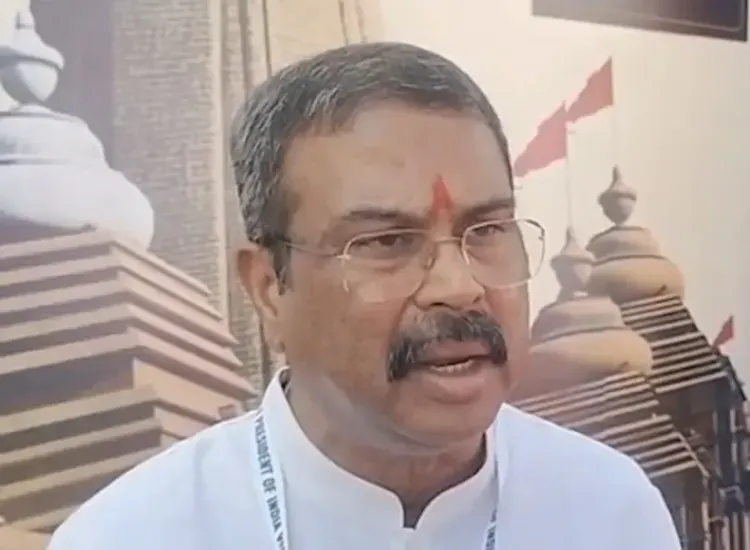
Jamshedpur, Feb 26 (NationPress) The Union Education Minister, Dharmendra Pradhan, publicly expressed his profound regret regarding a contentious chapter concerning the judiciary found in a Class 8 social science textbook released by the National Council of Educational Research and Training (NCERT). He announced that all existing printed copies would be immediately recalled.
During a media briefing in Jamshedpur, he emphasized that the government views this issue with utmost seriousness. “We have resolved to withdraw all printed editions right away,” he stated.
Pradhan highlighted that the judiciary serves as a crucial pillar of Indian democracy and that safeguarding its integrity is a primary obligation of the government.
“Citizens have steadfast trust in the judiciary. We will not permit the reputation of any constitutional body to be compromised,” he asserted.
He further noted that once the issue was identified, directives were promptly issued to the Central Board of Secondary Education (CBSE), and the recall process was initiated without hesitation. An extensive investigation has also been launched to assess the nature and scope of the error.
“If any official or individual is found to have acted negligently, suitable measures will be executed in accordance with the law,” Pradhan added.
He reassured that the pre-publication review and editorial protocols would be reinforced to avert similar oversights in the future. The NCERT has also publicly conveyed its regret over this matter, he stated.
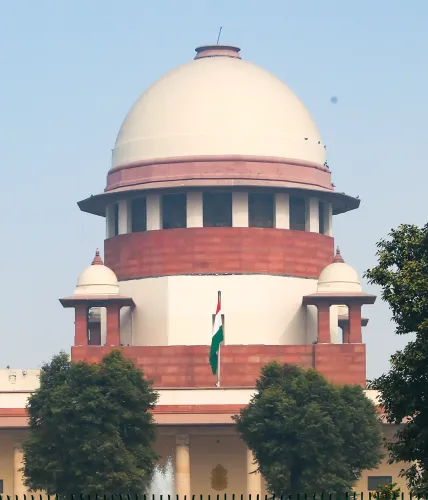
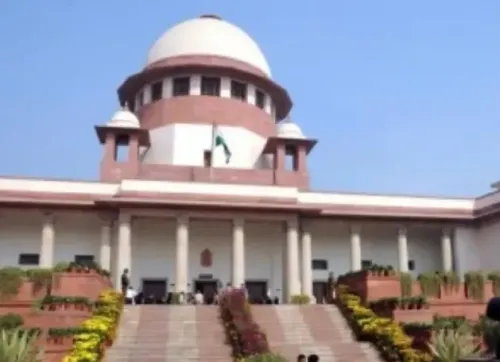
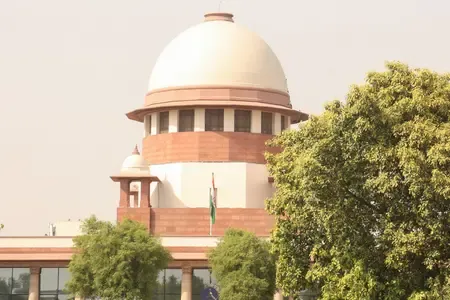
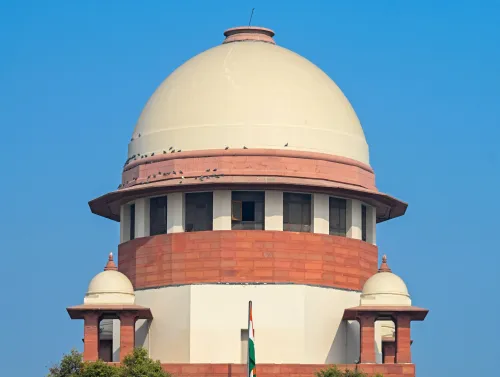
In the meantime, the Supreme Court of India has taken significant notice of the controversy. On Thursday, the apex court raised objections to mentions of “corruption in the judiciary” within the Class 8 textbook and issued a show-cause notice to the Secretary of School Education in the Ministry of Education as well as the Director of NCERT.
The court requested an explanation regarding why action should not be initiated against them under the Contempt of Court Act or other relevant laws.
Additionally, a complete prohibition on the publication, reprinting, and digital distribution of the book containing the disputed material has been enforced.
In preliminary remarks, a bench led by Chief Justice Surya Kant indicated that if the material was found to have been published with the intent to tarnish the image of the judiciary, it could constitute criminal contempt.
Point of View
The swift response from Union Education Minister Dharmendra Pradhan highlights the government's commitment to upholding the dignity of the judiciary. The immediate recall of the NCERT textbook reflects a proactive approach to addressing public concerns and maintaining trust in constitutional institutions.
NationPress
30 Sept 2026
Frequently Asked Questions
What prompted the recall of the NCERT textbook?
The recall was prompted by a controversial chapter in the Class 8 social science textbook that discussed the judiciary, which was deemed inappropriate.
What actions will be taken against negligent officials?
If any official is found negligent, appropriate legal action will be taken as per the law.
What measures are being implemented to prevent similar issues in the future?
The government plans to strengthen pre-publication review and editorial mechanisms to avoid future lapses.
How has the Supreme Court reacted to this controversy?
The Supreme Court has issued a show-cause notice and has banned the publication and digital circulation of the contentious textbook.
What is the significance of the judiciary in Indian democracy?
The judiciary is considered a crucial pillar of Indian democracy, maintaining law and order and protecting citizens' rights.