Mizoram drug deaths: 2,051 fatalities since 1984, 50 die every year

Synopsis
Mizoram has lost 2,051 lives to drug-related causes since 1984 — roughly 50 every year — and a 2022 survey found children as young as 10 already using cannabis. With a 910-km unfenced border with Myanmar and proximity to the Golden Triangle, the state's drug crisis is structural, not incidental, and officials are now pushing awareness campaigns into colleges and construction worker communities.
Key Takeaways
2,051 drug-related deaths recorded in Mizoram between 1984 and 7 October 2026 , averaging 50 deaths per year .
Of the fatalities, 1,799 were male and 252 were female .
The Survey Report on Drugs and Children in Mizoram 2022 found students aged 10-14 had already begun using cannabis.
Six Mizoram districts and five Manipur districts share a 910-km largely unfenced border with Myanmar .
Trafficked substances include methamphetamine tablets , heroin , and other contraband linked to the Golden Triangle region.
NEC Secretary Satinder Kumar Bhalla linked drug-free communities to India's goal of becoming a developed nation by 2047 .
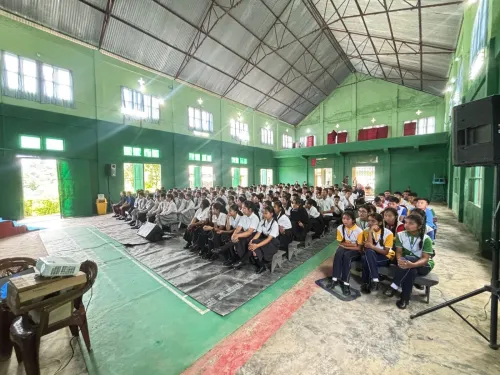
An average of 50 people die every year in Mizoram due to drug-related causes, with a cumulative toll of 2,051 deaths recorded between 1984 and 7 October 2026, state officials disclosed on Friday, 16 October 2026. The figures were shared during a drug abuse prevention awareness campaign held in Aizawl, underscoring the scale of a crisis that has persisted for over four decades in one of India's most narcotics-exposed border states.
Key Statistics and the Human Toll
Peter Zohmingthanga, Joint Commissioner of the Mizoram Excise and Narcotics Department (END), presented the data while addressing the awareness campaign organised in collaboration with the Mizoram Building and Other Construction Workers Welfare Board (MBOCWWB). Of the 2,051 deaths recorded over the period, 1,799 were male and 252 were female.
Zohmingthanga also cited the Survey Report on Drugs and Children in Mizoram 2022, which found that middle school students in the 10-14 age group had already begun using cannabis, pointing to the urgent need for early intervention and structured awareness programmes targeting children and adolescents.
What Officials Said
Lalnghinglova Hmar, Minister for the Mizoram Excise and Narcotics Department, attributed the persistence of drug abuse primarily to high demand and consumption within the state. He urged students of Government Champhai College to remain completely free from addiction and lead healthy lives.
Satinder Kumar Bhalla, Secretary of the North Eastern Council (NEC), praised the Mizo tradition of 'tlawmngaihna' — volunteerism and selfless community service — as an exemplary social resource in the fight against substance abuse. Drawing from his home state of Punjab, which faces its own severe drug crisis, Bhalla stressed that for India to achieve developed-nation status by 2047, citizens must redirect their energy away from harmful substances and toward national development.
The Golden Triangle and Mizoram's Vulnerability
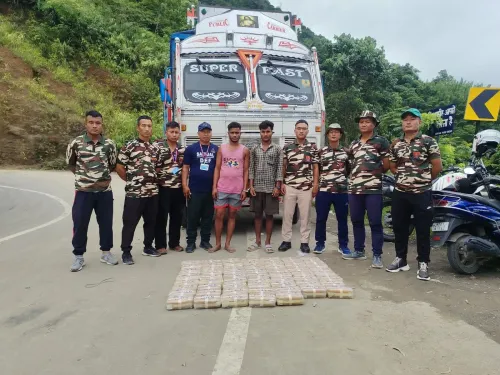
Mizoram and neighbouring Manipur have emerged as principal drug-trafficking corridors in Northeast India due to their long and porous international borders with Myanmar. Six districts of Mizoram and five districts of Manipur share a 910-km international border with Myanmar, much of it unfenced, leaving the region acutely vulnerable to cross-border smuggling.
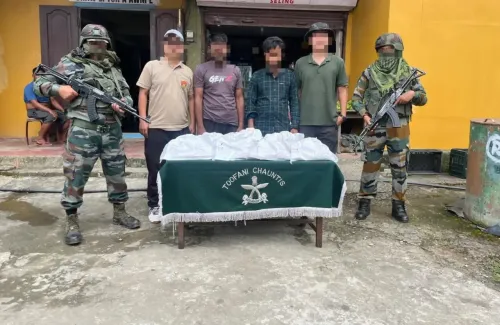
The state's proximity to the Golden Triangle — the illicit narcotics-producing region spanning parts of Myanmar, Laos, and Thailand — has long posed persistent challenges for security and drug enforcement agencies. Trafficked substances include highly addictive methamphetamine tablets, heroin, foreign-made cigarettes, fertilisers, and other contraband. Notably, while Assam has historically served as a transit route for drug trafficking, officials remarked that its population has generally shown lower inclination toward drug consumption compared to border states.
Government and NGO Response
Zohmingthanga outlined steps being taken by the state government and non-governmental organisations (NGOs) to combat the crisis, emphasising individual responsibility alongside institutional action. He encouraged students to actively contribute toward building a drug-free society. The awareness campaign itself reflects a broader strategy of combining enforcement with community education — an approach that experts argue is essential given the deep-rooted nature of drug supply chains in the region.
What Comes Next
With children as young as 10 reportedly exposed to cannabis and the border remaining largely unfenced, officials face compounding challenges on both the demand and supply sides. The campaign signals that Mizoram's administration is intensifying awareness efforts, but analysts note that durable solutions will require stronger border management, rehabilitation infrastructure, and sustained community engagement. The state's drug mortality numbers, averaging 50 deaths annually for over 40 years, suggest the crisis demands national-level attention alongside local initiatives.
Point of View
Every year, for over four decades — should prompt far more than an awareness campaign. Mizoram's drug crisis is structurally enabled by 910 km of unfenced border and the world's second-largest opium-producing region next door; no amount of college outreach addresses that root cause. The revelation that children aged 10-14 are already consuming cannabis points to a demand-side failure that awareness alone cannot fix — it demands school-level intervention, rehabilitation capacity, and a honest national conversation about border management in the Northeast. That the NEC Secretary had to invoke India's 2047 development goal to motivate students against drugs suggests institutional messaging has not kept pace with ground reality.
NationPress
16 Oct 2026
Frequently Asked Questions
How many people have died due to drugs in Mizoram since 1984?
A total of 2,051 people have died due to drug-related causes in Mizoram between 1984 and 7 October 2026, according to the Mizoram Excise and Narcotics Department. Of these, 1,799 were male and 252 were female, averaging approximately 50 deaths per year.
Why is Mizoram so vulnerable to drug trafficking?
Mizoram shares a 910-km international border with Myanmar, much of it unfenced, and is geographically close to the Golden Triangle — the illicit narcotics-producing region spanning Myanmar, Laos, and Thailand. This proximity makes the state a key transit and consumption corridor for methamphetamine, heroin, and other contraband.
What does the 2022 survey say about drug use among children in Mizoram?
The Survey Report on Drugs and Children in Mizoram 2022 found that middle school students in the 10-14 age group had already started using cannabis. Officials cited this as evidence of the urgent need for early intervention and awareness programmes targeting children and adolescents.
What steps is the Mizoram government taking to address drug abuse?
The state government and NGOs are conducting awareness campaigns — such as the one held on 16 October 2026 in Aizawl — targeting students, construction workers, and community members. The Mizoram Excise and Narcotics Department has outlined individual steps people can take to stay drug-free, while officials have called for stronger community-level action.
How does Mizoram's drug problem compare to other states in the region?
Mizoram and Manipur are considered the primary drug-trafficking corridors in Northeast India due to their shared border with Myanmar. While Assam has served as a transit route, officials noted its population has generally shown lower drug consumption. Punjab, cited by NEC Secretary Satinder Kumar Bhalla, faces a comparably severe drug crisis on India's western border.