India's per capita carbon emissions less than half global average: PM Modi
Synopsis
At an NGT-organised international conference, PM Modi turned a domestic judicial forum into a platform for climate diplomacy — challenging the global narrative that pins emission responsibility on developing nations. His core argument: India's per capita carbon footprint is less than half the world average, while developed countries emit six times more. The message was directed as much at 17 visiting judicial delegations as it was at every Indian citizen.
Key Takeaways
PM Modi inaugurated the 'The Future of Environment and Climate Dynamics' conference organised by the National Green Tribunal (NGT) in New Delhi on 19 September 2026 .
India's per capita carbon emissions are less than half the global average , according to Modi.
Developed countries emit six times more carbon per capita than India, Modi stated.
Judicial representatives from 17 countries are participating in the two-day conference.
The NGT Mobile App was launched during the event to improve public access to tribunal proceedings.
Modi referenced India's COP21 participation and the book 'Convenient Action: Continuity for Change' as examples of proactive climate engagement.
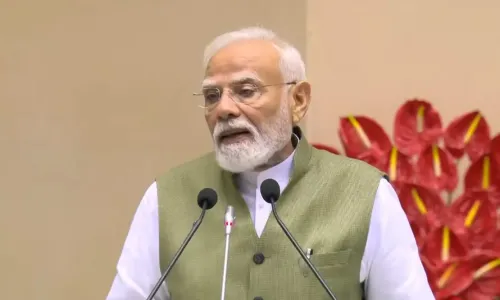
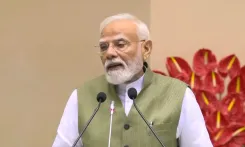
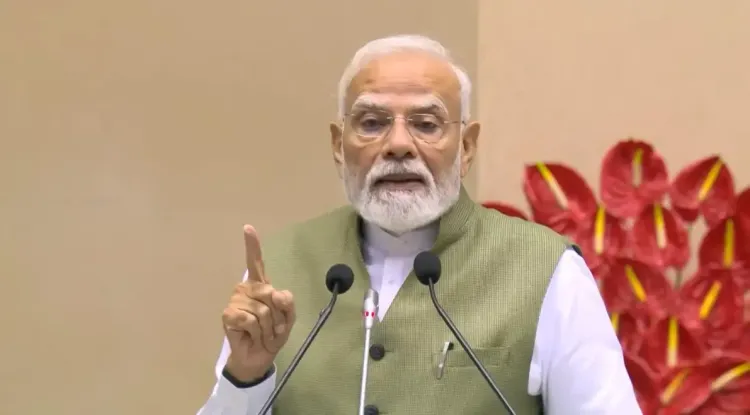
Prime Minister Narendra Modi on Saturday, 19 September 2026, declared that India's per capita carbon emissions are less than half the global average, asserting that the country is presenting this fact firmly on international platforms. He made the remarks while inaugurating a two-day international conference titled 'The Future of Environment and Climate Dynamics', organised by the National Green Tribunal (NGT) in New Delhi.
Key Remarks at the NGT Conference
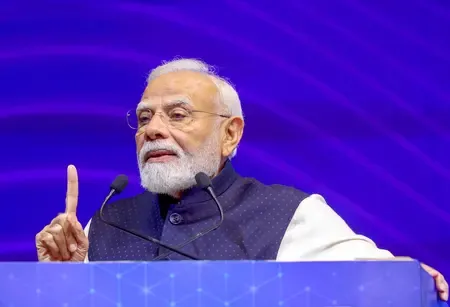
Addressing eminent judges and judicial representatives from 17 countries, Prime Minister Modi challenged the global narrative that places the burden of carbon responsibility on developing nations. 'The responsibility for carbon emissions has been wrongly placed on developing countries,' he said, pointing out that developed nations emit six times more carbon per capita than India.
He reiterated the point with emphasis: 'In developed countries, per capita carbon emissions are six times higher than that of India — six times higher. India places this fact assertively and firmly across global forums.' He also urged every Indian citizen to carry this confidence into public discourse.
India's Environmental Heritage and Global Role
Modi invoked India's civilisational relationship with nature, stating that 'for centuries, India has, in a sense, guided the world' on matters of environment and ecology. He argued that India is now translating its cultural traditions into contemporary climate solutions while calling for collective global action.
He referenced India's participation at COP21 in Paris, where the country launched the book titled 'Convenient Action: Continuity for Change' — framed as an illustration of India's proactive climate diplomacy. 'By taking the world along with us, we are establishing new benchmarks for environmental protection,' he said.
Conference Scope and the NGT Mobile App
The two-day conference, convened by the National Green Tribunal, brings together judicial representatives to deliberate on critical gaps in policy formulation, implementation, and enforcement. The event also focuses on strengthening environmental governance and institutional cooperation across borders.
On the sidelines of the inaugural session, Prime Minister Modi launched the NGT Mobile App, aimed at improving public access to environmental justice and tribunal proceedings.
Broader Context: Developed vs Developing Nations
The debate over historical emissions responsibility is a longstanding fault line in global climate negotiations. India, along with other developing economies, has consistently argued that it should not bear the same mitigation burden as industrialised nations that have contributed the bulk of cumulative greenhouse gas emissions over the past two centuries. Modi's remarks at the NGT conference reinforce that diplomatic posture at a domestic judicial forum — a notable escalation of the messaging beyond purely international settings.
With global climate talks continuing to evolve, India's stance on equitable burden-sharing is expected to remain central to its negotiating position at upcoming multilateral forums.
Point of View
But deploying it before judges from 17 countries signals an intent to embed this framing into international legal and governance discourse, not just political negotiations. The launch of the NGT Mobile App risks being overshadowed by the headline messaging, yet it represents a tangible governance step. The real question is whether India's assertive framing of historical responsibility translates into stronger commitments on adaptation finance from developed nations — or remains a rhetorical position that holds the moral high ground without extracting binding concessions.
NationPress
19 Sept 2026
Frequently Asked Questions
What did PM Modi say about India's carbon emissions at the NGT conference?
PM Modi said India's per capita carbon emissions are less than half the global average and that developed countries emit six times more carbon per capita than India. He made these remarks at the inaugural session of the 'The Future of Environment and Climate Dynamics' conference in New Delhi on 19 September 2026.
What is the NGT international conference about?
The two-day conference, organised by the National Green Tribunal, focuses on critical environmental and climate challenges, including gaps in policy formulation, implementation, and enforcement. It brings together eminent judges and judicial representatives from 17 countries to explore ways to strengthen environmental governance and institutional cooperation.
What is the NGT Mobile App launched by PM Modi?
The NGT Mobile App was launched by PM Modi during the conference to improve public access to National Green Tribunal proceedings and environmental justice mechanisms. It is intended to make the tribunal's functions more accessible to citizens across India.
Why does India argue it should not bear the same emissions burden as developed nations?
India contends that its historical and per capita contribution to global carbon emissions is far lower than that of industrialised nations. PM Modi highlighted that India's per capita emissions are less than half the global average, while developed countries emit six times more per capita — a position central to India's climate diplomacy at forums such as COP.
What was India's 'Convenient Action: Continuity for Change' book mentioned by Modi?
'Convenient Action: Continuity for Change' is a book launched by India during the COP21 climate conference in Paris, cited by PM Modi as an example of India showcasing its traditions and proactive approach to global environmental challenges.