PM Modi to Unveil Major Drinking Water Initiative in Ambaji on March 31
Synopsis
On March 31, Prime Minister Modi will launch a pivotal drinking water project in Ambaji, Gujarat, set to transform access for over 78,000 residents. This initiative aligns with state efforts to enhance water management and public health.
Key Takeaways
Prime Minister Modi will launch a drinking water project in Ambaji on March 31 .
The project will benefit around 78,000 residents .
It marks a shift from groundwater to surface water supply.
The initiative is part of the broader Statewide Water Supply Grid .
Over 3,300 km of pipelines have already been installed across the state.
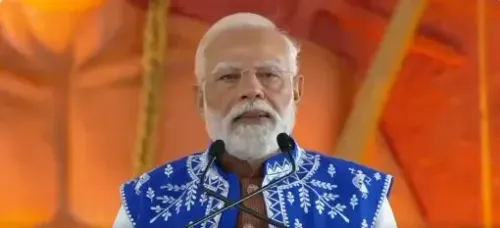
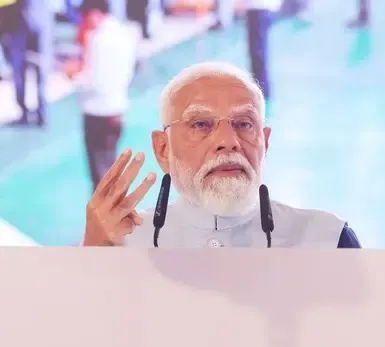
Banaskantha (Gujarat), March 27 (NationPress) Prime Minister Narendra Modi is set to visit Gujarat on March 31 to inaugurate a series of development initiatives, including a significant drinking water project aimed at serving the sacred town of Ambaji and its neighboring tribal regions, as per an official announcement made on Friday.
The Prime Minister will officially unveil the first and second phases of the Rs 141-crore Ambaji drinking water scheme, which is projected to benefit approximately 78,000 individuals across 34 villages and the town of Ambaji within the Banaskantha district.
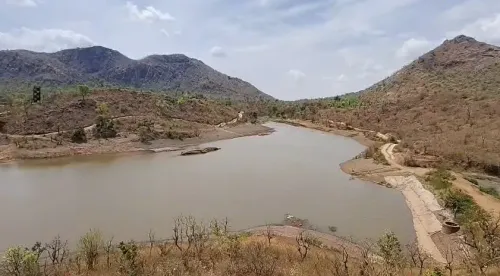
This initiative will encompass areas within the Danta and Amirgadh talukas, regions that have historically faced challenges in securing reliable drinking water due to their uneven and rocky landscape. Currently, many inhabitants rely heavily on groundwater sources.
According to officials from the Water Supply Department, this project signifies a pivotal transition from groundwater dependency to a surface water-based supply system, likely resulting in major public health improvements and enhanced water accessibility.
The project's design also considers future demands, taking into account the increasing influx of visitors to the Ambaji Temple, a key pilgrimage site. Authorities noted that the infrastructure is tailored to meet both present requirements and future growth in the area.
In a broader context, the department emphasized that Gujarat has been making significant strides in water management through ongoing planning and infrastructure advancements. This initiative is part of the state's broader efforts to enhance water access via the 'Statewide Water Supply Grid'.
As part of this grid, over 3,300 km of bulk pipelines have already been installed, delivering surface water to more than 15,000 villages and 251 urban centers, impacting an estimated population of over 50 million people.
Officials further stated that the state has considerably diminished its dependence on groundwater by implementing water supply projects utilizing rivers, canals, and reservoirs.
Moreover, Phase II of the Jal Jeevan Mission is expected to further accelerate water connectivity in remaining rural regions. A 24-hour helpline has also been established to promptly address water-related grievances.
Point of View
Showcasing the government's commitment to improving infrastructure and public health in rural areas. The initiative aims to address long-standing water supply challenges, reflecting a holistic approach to resource management.
NationPress
2 Oct 2026
Frequently Asked Questions
What is the purpose of the drinking water project in Ambaji?
The project aims to provide reliable drinking water access to 78,000 residents in Ambaji and surrounding areas, transitioning from groundwater reliance to surface water sources.
How much funding has been allocated for the Ambaji drinking water project?
The Ambaji drinking water project has been allocated Rs 141 crores.
Which areas will benefit from this water project?
The project will benefit Ambaji town and 34 villages in the Danta and Amirgadh talukas.
What is the expected impact of the project on public health?
The project is expected to improve public health by providing cleaner and more accessible drinking water.
What broader initiative does this project fall under?
This project is part of Gujarat's 'Statewide Water Supply Grid' aimed at enhancing water supply and management across the state.