What Does the Launch of 'Krishak Varsh' by CM Mohan Yadav Mean for Farmers?
Synopsis
Madhya Pradesh's Agriculture Year 2026, launched by CM Mohan Yadav, aims to revolutionize farming with a focus on welfare and sustainable practices. Key initiatives include the price difference scheme for mustard and bonuses for coarse grains, emphasizing a collaborative approach to farmer support.
Key Takeaways
Agriculture Year 2026 launched to uplift farmer welfare.
Focus on price difference schemes for mustard and other crops.
Expansion of irrigation through major projects.
Increased minimum support prices and bonuses for coarse grains.
Commitment towards organic farming and technology integration.
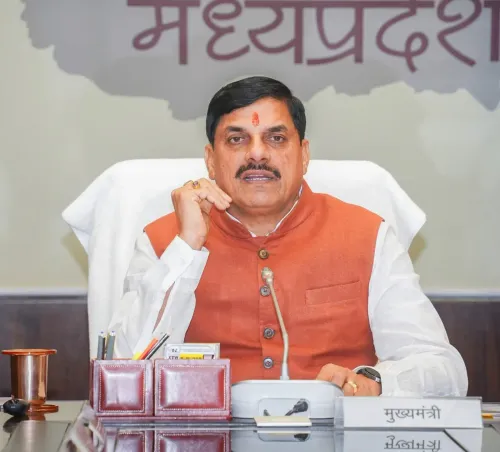
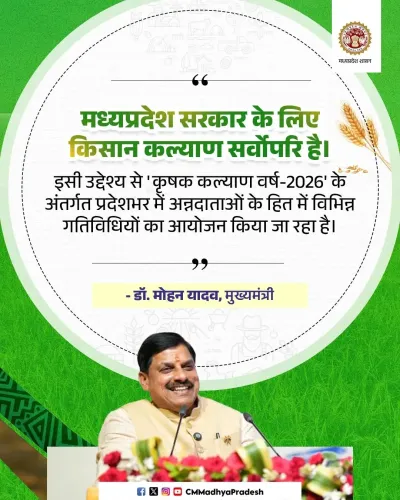
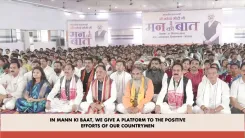
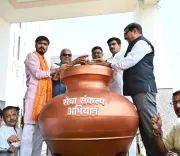
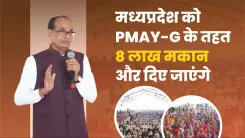
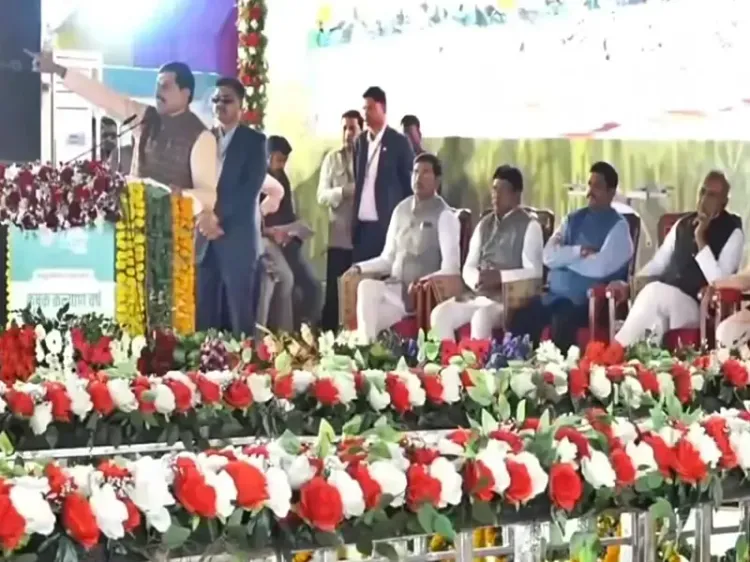
Bhopal, Jan 11 (NationPress) - On Sunday, Madhya Pradesh's Chief Minister Mohan Yadav officially inaugurated the Agriculture Year 2026, also referred to as 'Krishak Kalyan Varsh' or 'Kisan Kalyan Varsh', during a spectacular tractor rally and a state-level event at Jamburi Maidan in Bhopal.
This occasion signifies the start of a year devoted to farmer welfare, agricultural progress, and shifting farming towards a profitable, technology-enhanced, and sustainable industry.
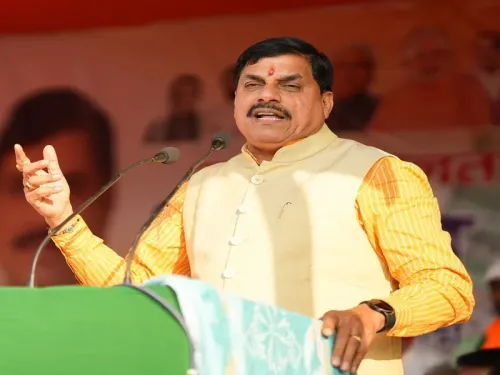
While addressing the assembly of farmers, Chief Minister Yadav underscored the state’s remarkable agricultural growth, which has seen a 16 percent increase in the sector.
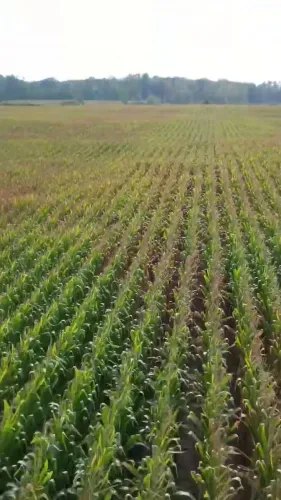
He noted that Madhya Pradesh is distinct as the only state where cultivated land has expanded by 2.5 lakh hectares despite ongoing urbanization, industrialization, and infrastructure enhancements.
This growth can be largely credited to improved irrigation facilities, with major upcoming projects like Ken-Betwa, Parvati-Kalisindh, and Tapti basin recharge anticipated to extend irrigation to an additional 16 lakh hectares in the near future.
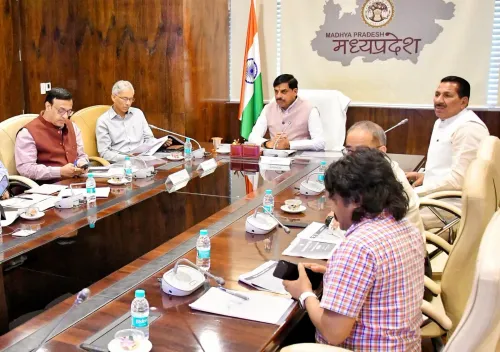
The Chief Minister asserted that the government is committed to boosting farmers' income through a collaborative strategy involving 16 departments associated with agriculture.
Farmers will benefit from the official minimum support price via the price difference payment scheme, which will mitigate market volatility, as CM Yadav announced the inclusion of the mustard crop in this scheme.
Additionally, for essential coarse grains like kodo and kutki, which are prevalent in the state, the government will ensure procurement at the minimum support price along with a bonus of Rs 1,000 per quintal.
The procurement of these millets will persist, and research initiatives will be intensified, including the establishment of a “Shree Anna research centre” in Dindori.
A detailed calendar of events has been rolled out for the year. Major initiatives include the distribution of bonuses for kodo and kutki in February, seminars on natural farming in March, the renowned mango festival in Narmadapuram in May, a Farmer Producer Organisation convention in Indore in August-September, workshops on agricultural infrastructure in Chhindwara, food festivals in October and November, and a sugarcane festival in Narsinghpur.
The year will also focus on enhancing horticulture, food processing, animal husbandry, and dairy development.
To lower input costs and increase income, the government will offer subsidies on various agricultural tools and constructions.
Farmers will have ownership opportunities through partnerships in forthcoming food parks and processing units, with procurement available from departments like animal husbandry and cooperatives, even for vegetables.
In a significant irrigation relief, solar pumps will be distributed to 30 lakh power connection holders, enabling them to carry out minor agricultural tasks while reducing reliance on traditional electricity, Dr. Yadav remarked.
The state is progressing towards organic and natural farming by gradually minimizing fertiliser usage and promoting practices that enhance soil health.
“Farmers will receive fertilisers and real-time updates through a dedicated mobile app, eliminating the need to wait in long lines for services or information,” he assured.
Compensation schemes have been bolstered, with over Rs 2,106 crore already disbursed for losses, including to 24 lakh farmers affected by crop losses due to yellow mosaic virus.
The government intends to procure and offer bonuses on crops like urad and groundnut, particularly when harvested in the summer season, he mentioned.
Additionally, a robust weather information data system will be developed, building on existing forest science centres.
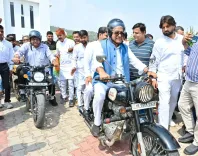
Tractor rallies, bike rallies, farmers' marches, and exhibitions showcasing cattle, flowers, fruits, and other agricultural products will be organized across districts to encourage community engagement and awareness, making the year truly memorable, Dr. Yadav added.
Chief Minister Yadav reaffirmed the vision of prosperous farmers leading to a prosperous state, calling for coordinated efforts from all relevant departments.
“The launch of Agriculture Year 2026 showcases the government's dedication to empowering farmers, enhancing their income, generating rural employment, and establishing Madhya Pradesh as a frontrunner in sustainable and innovative agriculture,” he stated.
Point of View
The launch of Agriculture Year 2026 by CM Mohan Yadav showcases a proactive approach towards enhancing the agricultural sector in Madhya Pradesh. By focusing on farmer welfare and incorporating technology, the initiative could serve as a model for other states seeking to elevate their agricultural practices and support systems. The commitment to sustainable farming aligns with national goals of food security and rural development.
NationPress
27 Sept 2026
Frequently Asked Questions
What is 'Krishak Varsh'?
Krishak Varsh refers to the Agriculture Year 2026 launched by CM Mohan Yadav, focusing on farmer welfare and agricultural development in Madhya Pradesh.
How will farmers benefit from the price difference scheme?
Farmers will receive the official minimum support price for their crops, which will help stabilize their income and reduce market uncertainties.
What are the major projects planned for irrigation in Madhya Pradesh?
Upcoming irrigation projects include Ken-Betwa, Parvati-Kalisindh, and Tapti basin recharge, expected to significantly enhance irrigation coverage.
What additional support will be provided to coarse grain farmers?
Farmers growing kodo and kutki will receive bonuses of Rs 1,000 per quintal along with the minimum support price.
What initiatives are planned for the Agricultural Year 2026?
The year will feature various events including seminars, festivals, and workshops aimed at promoting sustainable farming and enhancing farmer engagement.