Madhya Pradesh scraps 25-year two-child bar for govt jobs, 30,000 teachers to benefit
Synopsis
After 25 years, Madhya Pradesh has binned the rule that cost government employees their jobs for having a third child. Chief Minister Mohan Yadav's Cabinet move will drop 8,000–10,000 pending disciplinary cases and open state jobs to candidates previously barred — a sharp policy reversal driven as much by demographic anxiety as by equity concerns.
Key Takeaways
Madhya Pradesh scrapped its two-child restriction for state government jobs on 18 November 2026 , ending a rule in place since 26 January 2001 .
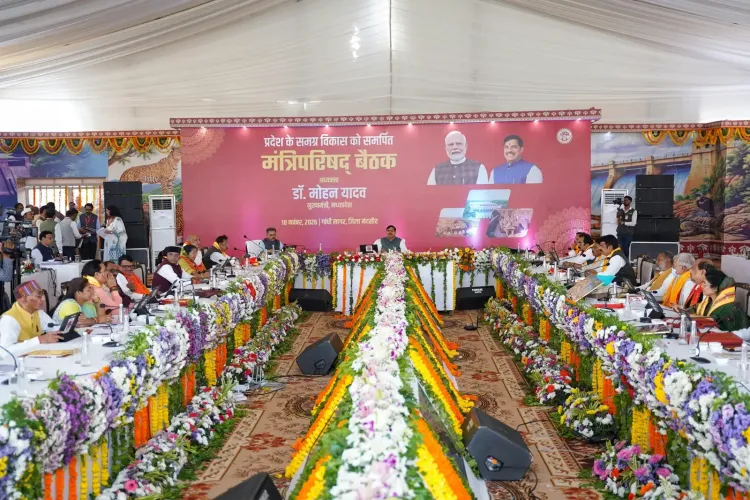
The decision was taken at a Cabinet meeting chaired by Chief Minister Mohan Yadav at Gandhisagar dam campus , Mandsaur district .
More than 30,000 teachers in the School Education Department are expected to receive direct relief.
Between 8,000 and 10,000 pending disciplinary cases across departments will be terminated with immediate effect once the rules are notified.
Cases where final orders were already passed after 2001 or where employees were already dismissed will not be reopened.
Rajasthan (May 2016) and Chhattisgarh (July 2017) had earlier removed similar restrictions; Andhra Pradesh has reportedly introduced incentives for a third child.
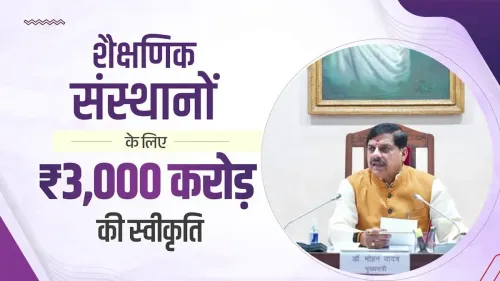
The Madhya Pradesh government on 18 November 2026 completely abolished the two-child restriction for state government jobs — a rule that had been in force for 25 years — in a sweeping policy reversal that is expected to directly benefit more than 30,000 teachers in the School Education Department alone. The decision was taken at a Cabinet meeting chaired by Chief Minister Mohan Yadav at the Gandhisagar dam campus in Mandsaur district.
What the Cabinet Decided
The Cabinet approved amendments to the General Administration Department's Civil Services Rules, 1961. Under the revised rules, candidates with more than two children are no longer disqualified from direct recruitment or departmental appointments. Serving government employees will face no termination, dismissal, or disciplinary action under the Madhya Pradesh Civil Services (Conduct) Rules, 1965 for having a third child.
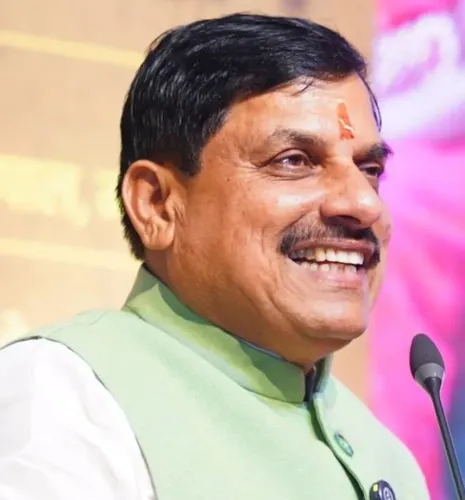
Speaking to reporters after the meeting, Chief Minister Mohan Yadav said: 'When other members of the society can have more than two children, why only government employees be restricted.'
Impact on Pending Cases
Between 8,000 and 10,000 disciplinary cases linked solely to the two-child norm are currently pending across various state departments. All such proceedings and departmental inquiries will be terminated with immediate effect once the revised rules come into force. The departments with the highest number of pending complaints include School Education, Higher Education, Health, and Medical Education.
Notably, the government has drawn a clear boundary: cases in which final orders were already passed after 2001, or in which employees had already been removed from service, will not be reopened. The relief is prospective and limited to pending proceedings.
Origins of the Rule
The two-child norm was originally introduced on 26 January 2001 under the then Digvijaya Singh-led government as a population-control measure. It barred anyone with more than two living children from state employment and classified any subsequent child as official misconduct — a provision that critics had long argued imposed an unequal burden on government servants.
This comes amid a broader national conversation on declining fertility rates. The push to repeal the rule gained momentum after RSS chief Mohan Bhagwat expressed concern over falling birth rates in February, stating that an average of three children per family was necessary for the survival of society, according to reports.
Madhya Pradesh Joins a Broader Trend
Madhya Pradesh is not the first state to roll back the restriction. Rajasthan removed the ban in May 2016, and Chhattisgarh followed in July 2017. Andhra Pradesh has gone a step further, reportedly announcing financial incentives for a third child. The policy shift signals a significant reversal from the population-control orthodoxy that shaped state employment rules in the early 2000s.
What Happens Next
The amendment to the Civil Services Rules must be formally notified before it takes effect. Once notified, thousands of government servants — particularly teachers — will have pending disciplinary proceedings against them dropped. The decision is also expected to widen the pool of eligible candidates in state competitive examinations, where the two-child bar had previously disqualified a segment of applicants.
Point of View
Nudged by RSS rhetoric on fertility decline. What is missing is an honest reckoning: the rule disproportionately hurt lower-income government employees who had fewer reproductive choices, not senior officers who could absorb the professional risk. The government's decision to protect past dismissals from review means the most severely affected — those already removed — get nothing. That carve-out deserves scrutiny, even as the broader repeal is widely welcomed.
NationPress
18 Nov 2026
Frequently Asked Questions
What two-child rule has Madhya Pradesh scrapped?
Madhya Pradesh has abolished a rule introduced on 26 January 2001 that barred state government employees and job applicants from employment if they had more than two living children. The Cabinet approved amendments to the General Administration Department's Civil Services Rules, 1961, removing the disqualification entirely.
Who benefits from the removal of the two-child norm in MP?
Serving government employees who had been facing disciplinary proceedings solely on the ground of having a third child will have those cases dropped. More than 30,000 teachers in the School Education Department are among the primary beneficiaries, along with job aspirants previously disqualified from state competitive examinations.
What happens to the 8,000–10,000 pending cases under the two-child rule?
All pending disciplinary proceedings and departmental inquiries against employees solely on the ground of a third child will be terminated with immediate effect once the amended rules are formally notified. However, cases where final orders were already passed after 2001, or where employees had already been removed from service, will not be reopened.
Why did Madhya Pradesh remove the two-child restriction now?
The repeal follows a broader shift in population policy thinking, partly accelerated by RSS chief Mohan Bhagwat's statement in February expressing concern over declining fertility rates. Chief Minister Mohan Yadav argued that restricting reproduction only for government employees was inequitable when the rest of society faced no such bar.
Are other states also removing the two-child norm for government jobs?
Yes. Rajasthan removed its two-child restriction in May 2016 and Chhattisgarh did so in July 2017. Andhra Pradesh has reportedly gone further by announcing financial incentives for a third child, reflecting a wider reversal of the population-control employment policies introduced across states in the early 2000s.