MP scraps two-child bar for govt jobs after 23 years
Synopsis
Madhya Pradesh has quietly ended one of its longest-standing civil service restrictions — a 23-year-old bar that made having more than two children grounds for job ineligibility and even misconduct. CM Mohan Yadav's order to scrap the clause affects every ongoing recruitment process in the state and hands a long-sought victory to employee unions.
Key Takeaways
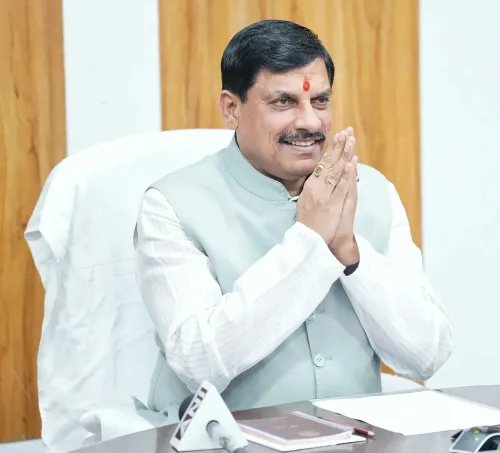
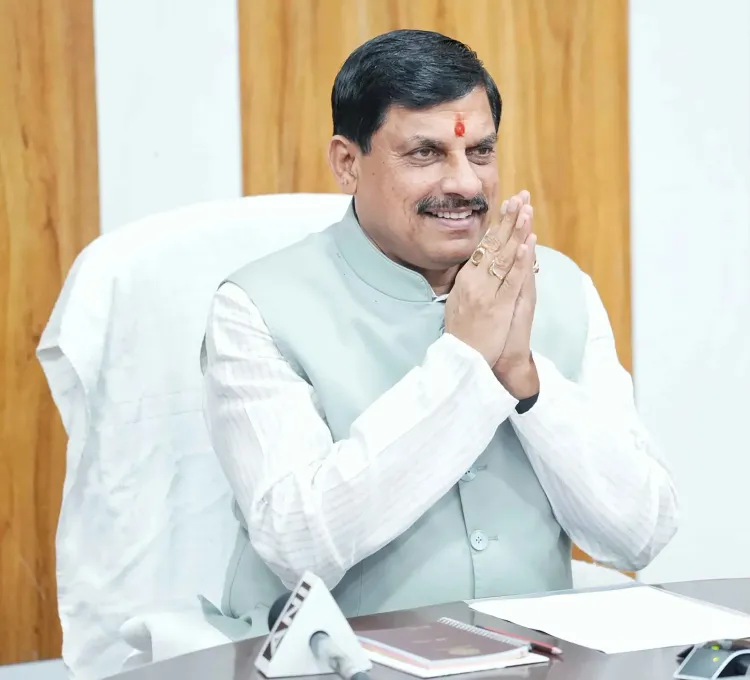
Chief Minister Mohan Yadav ordered the scrapping of the two-child norm for Madhya Pradesh government jobs on 9 June .
The restriction had been in place since 2001 — a 23-year-old provision under the MP Civil Services (General Conditions of Service) Rules, 1961 .
Under the Conduct Rules, 1965 , a third child after the cut-off date was classified as misconduct , exposing serving employees to disciplinary action.
The draft has been removed from the official portal immediately; revised rules will be put in the public domain before formal notification.
Employee unions had long demanded repeal, calling the clause outdated given India's declining fertility rate.
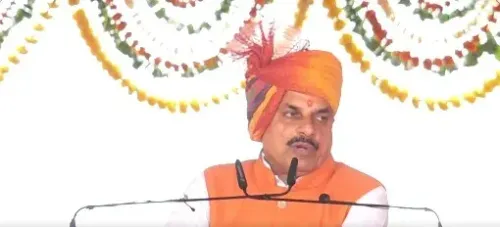
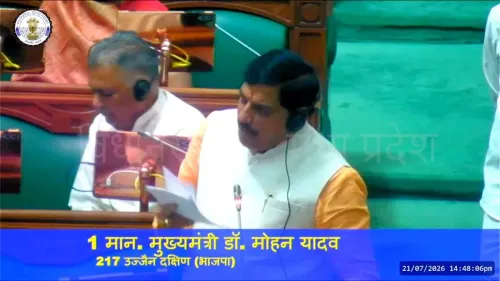
Chief Minister Mohan Yadav on Tuesday, 9 June ordered the withdrawal of the two-child norm for government employment in Madhya Pradesh, bringing an end to a restriction that had been in force for 23 years. The move is set to benefit thousands of job aspirants who were barred from applying for state vacancies despite meeting all other eligibility criteria, as well as serving employees who faced disciplinary proceedings under the clause.
What the Order Covers
Yadav directed the General Administration Department (GAD) to remove the draft provision from the Madhya Pradesh Civil Services Rules that rendered candidates with more than two children ineligible for direct recruitment and departmental appointments. The state government confirmed that the existing draft has been taken down from the official portal immediately to prevent confusion during ongoing and upcoming recruitment processes.
The two-child condition was embedded in the Madhya Pradesh Civil Services (General Conditions of Service) Rules, 1961, and applied to any candidate who had more than two living children on or after 26 January 2001. Every government appointment advertisement issued since that year had carried the clause as a mandatory eligibility condition.
Impact on Serving Employees
The restriction extended beyond fresh recruitment. Under the Madhya Pradesh Civil Services (Conduct) Rules, 1965, having a third child after the cut-off date was classified as misconduct, exposing government servants to formal disciplinary proceedings. Employee unions had long demanded a review of these Conduct Rules, arguing the provision was outdated and caused disproportionate hardship to families.
Background: Why the Norm Was Introduced
The clause was introduced in 2001 by the then state government as part of population control measures. At the time, several Indian states adopted similar restrictions in civil service rules, reflecting a broader policy push to incentivise smaller families through employment conditions. Over two decades later, however, critics argued that such penalties had outlived their demographic rationale, particularly as India's fertility rate has declined significantly at the national level.
What Happens Next
'The revised draft will be republished in accordance with due procedure,' the state government said in a statement. Officials indicated that the new rules will be prepared after detailed examination and placed in the public domain for suggestions before formal notification. Until the revised rules are officially notified, the withdrawal of the existing draft means the two-child restriction will no longer be enforced in any recruitment or disciplinary process.
This marks one of the most consequential service-rule amendments in Madhya Pradesh in over two decades, and is being closely watched by employee unions and job seekers across the state.
Point of View
But the timing raises questions. India's total fertility rate has already fallen below the replacement level of 2.1 in most states, making a punitive employment clause premised on population control a relic rather than a policy tool. What is notable is that Madhya Pradesh retained this restriction for nearly a quarter-century while the demographic reality it was designed to address had long since changed. The more consequential question now is whether the revised rules will also address the backlog of disciplinary cases initiated under the Conduct Rules — the government's statement is silent on that, and affected employees will be watching closely.
NationPress
15 Sept 2026
Frequently Asked Questions
What is the two-child norm that Madhya Pradesh has scrapped?
It was a provision under the Madhya Pradesh Civil Services (General Conditions of Service) Rules, 1961, that barred candidates with more than two living children — born on or after 26 January 2001 — from applying for government jobs. It also classified having a third child as misconduct under the Conduct Rules, 1965, exposing serving employees to disciplinary action.
Why has the Madhya Pradesh government removed the two-child restriction now?
Chief Minister Mohan Yadav directed the General Administration Department to scrap the clause after employee unions argued it was outdated and caused unnecessary hardship. The government has not cited a specific trigger beyond the long-standing demand for a review.
Who benefits from the removal of the two-child norm?
Two groups benefit directly: job aspirants who were otherwise eligible but disqualified solely due to family size, and serving government employees who faced or were at risk of disciplinary proceedings for having a third child after the 2001 cut-off date.
When will the new rules come into effect?
The existing draft has been removed from the official portal immediately, meaning the restriction is no longer enforced in ongoing recruitments. Revised rules will be prepared, put in the public domain for suggestions, and formally notified thereafter — a timeline the government has not specified.
Did other Indian states have similar two-child norms for government jobs?
Yes, several Indian states introduced comparable restrictions around the early 2000s as part of population control measures. Some have since repealed or diluted them; Madhya Pradesh's repeal follows a broader national trend of revisiting such provisions as India's fertility rate has declined.