Mumbai Crime Branch busts CDR, location data racket; 9 arrested including 2 cops
Synopsis
A Mumbai Crime Branch operation has exposed a troubling confluence of impersonation, extortion, and insider access: nine people arrested for illegally trading CDRs, SDRs, and location data — two of them active police constables from Jharkhand and Bihar — pointing to a systemic vulnerability in how sensitive telecom records are controlled within law enforcement.
Key Takeaways
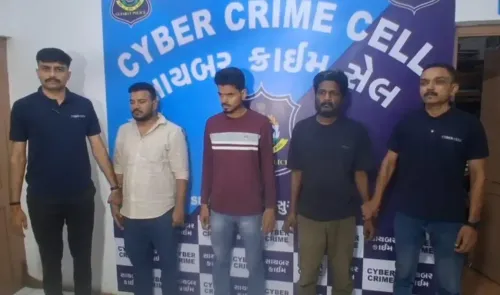
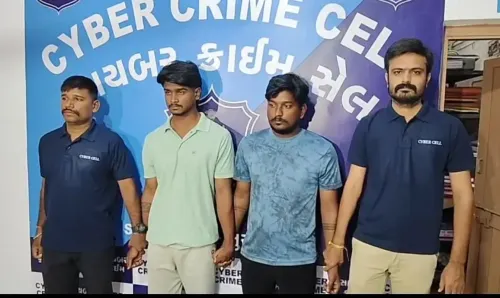
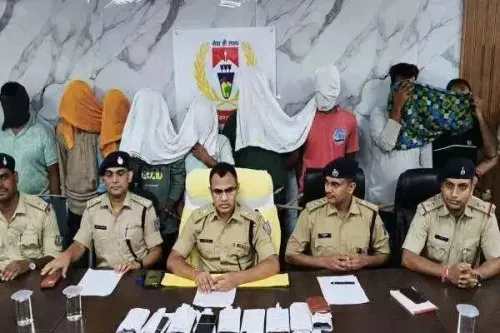
Mumbai Crime Branch Unit-12 arrested nine accused for illegally selling CDRs , SDRs , location data, and IMEI details.
The prime accused posed as 'Inspector Sanjay' on Instagram, extorting phone-loss victims while stealing their telecom data.
Two of the nine arrested are serving police constables from Jharkhand and Bihar police forces.
Data allegedly stolen included 50 CDRs , 520 SDRs , location data of 550 mobile numbers , and 420 IMEI records.
The case is registered under multiple sections of the BNS and IT Act at Oshiwara police station (Case No.
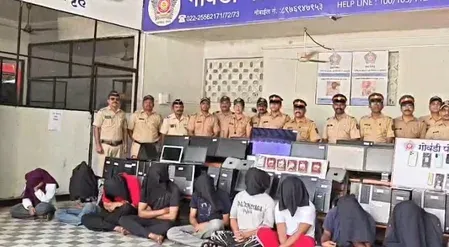
Mumbai Police's Crime Branch Unit-12 has dismantled a racket illegally selling call detail records (CDRs), subscriber detail records (SDRs), mobile location data, and IMEI information, arresting nine accused — including two serving police constables from Jharkhand and Bihar. The bust, centred in Mumbai, exposed a sophisticated fraud operation that exploited grieving phone-loss victims under the guise of official police assistance.
How the Racket Operated
According to police, the primary accused — a resident within the jurisdiction of Oshiwara police station — posed as a police inspector on Instagram under the alias 'Inspector Sanjay', despite holding no official law enforcement position. Through his social media posts, he claimed he could recover stolen or lost mobile phones and return them to their owners, drawing in victims desperate to retrieve their devices.
When people contacted him using the number listed in his posts, the accused allegedly extorted money from them in the name of phone recovery while simultaneously obtaining their CDRs, SDRs, and real-time location details through illegal channels — amounting to a dual fraud of impersonation and data theft.
Arrest and Key Evidence
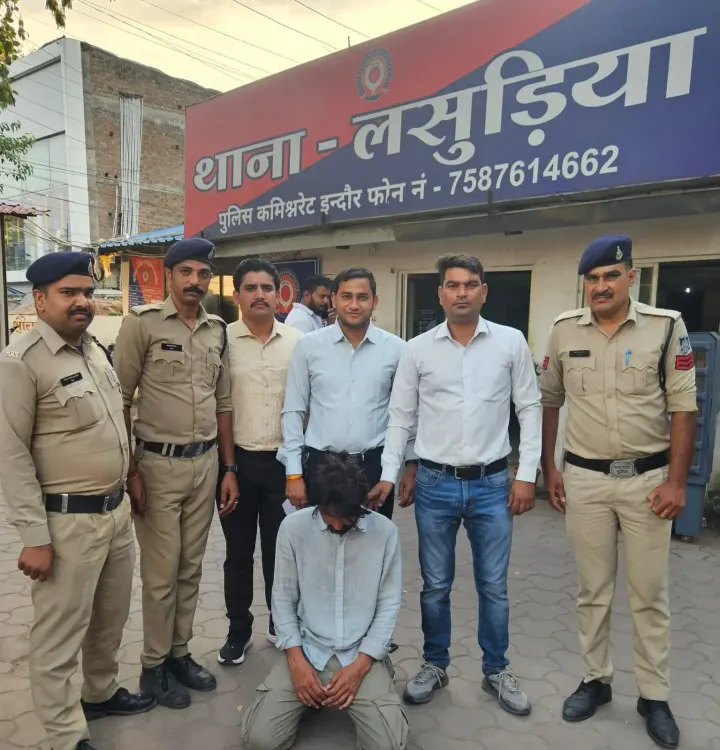
Crime Branch Unit-12 acted on intelligence and apprehended the prime accused on 22 June, near the entrance gate of Ayesha Tower, opposite an HP petrol pump on SV Road in Jogeshwari West. Two mobile phones recovered from him, on examination, confirmed he had been illegally accessing sensitive telecom data linked to multiple mobile numbers.
The investigation revealed that the accused had allegedly obtained 50 CDRs, 520 SDRs, location data tied to 550 mobile numbers, and details of 420 IMEI numbers — all through unlawful means, according to police.
Charges Filed
A case was registered at Oshiwara police station under Sections 318(2), 319(2), 204, 223, 351(2), 112(2), 238, and 3(5) of the Bharatiya Nyaya Sanhita (BNS), along with Sections 43(a), 66, and 66A of the Information Technology Act. The case is registered as CrPC No. 68/2026 and Oshiwara PS Case No. 935/2026.
The Insiders: Two Active Cops Among the Arrested
Particularly alarming is the involvement of two serving constables — one each from the Jharkhand Police and Bihar Police — among the nine arrested. Their alleged participation suggests the racket may have leveraged insider access within law enforcement systems to source the sensitive telecom data, raising serious questions about data security protocols across police departments. This is not an isolated concern; the illegal trade in CDRs and SDRs has been flagged repeatedly by cybercrime agencies across India.
What This Means for Citizens
The case underscores the vulnerability of personal telecom records to misuse when internal controls are weak. Victims of phone theft — already distressed — were doubly exploited: first financially through extortion, then through the unauthorised exposure of their call and location histories. Cybersecurity experts have long warned that CDR and location data, in the wrong hands, can enable stalking, corporate espionage, and targeted crime. This bust is likely to accelerate scrutiny of how telecom data is accessed and shared within government systems.
Point of View
And this bust exposes that gap sharply. The 'Inspector Sanjay' angle is almost secondary: the deeper story is how 520 SDRs and location data for 550 numbers can be sourced by a racket operating out of a residential neighbourhood. Until CDR access is tied to verifiable, logged, and audited authorisation chains, these busts will remain reactive rather than preventive.
NationPress
9 Oct 2026
Frequently Asked Questions
What is the CDR and SDR racket busted by Mumbai Crime Branch?
Mumbai Crime Branch Unit-12 busted a racket that was illegally selling call detail records (CDRs), subscriber detail records (SDRs), mobile location data, and IMEI information. Nine people have been arrested, including two serving police constables from Jharkhand and Bihar, as of 9 October 2026.
How did the prime accused operate the fraud?
The prime accused posed as a police inspector on Instagram under the alias 'Inspector Sanjay', falsely claiming he could recover lost or stolen phones. He then extorted money from victims who contacted him and illegally obtained their CDRs, SDRs, and location data through unlawful channels.
Why are two police constables among the arrested?
Two of the nine arrested are serving constables in the Jharkhand and Bihar police forces, according to Mumbai Police. Their alleged involvement points to possible insider access being used to source sensitive telecom data, raising concerns about data security within law enforcement agencies.
What data was illegally obtained by the accused?
According to the police, the accused allegedly obtained 50 CDRs, 520 SDRs, location information linked to 550 mobile numbers, and details of 420 IMEI numbers through illegal means.
What charges have been filed in the case?
The case has been registered at Oshiwara police station under multiple sections of the Bharatiya Nyaya Sanhita (BNS) — including Sections 318(2), 319(2), 204, 223, 351(2), 112(2), 238, and 3(5) — as well as Sections 43(a), 66, and 66A of the Information Technology Act. It is registered as CrPC No. 68/2026 and Oshiwara PS Case No. 935/2026.