Are Military-run Polls in Myanmar Unfair and Predetermined?
Synopsis
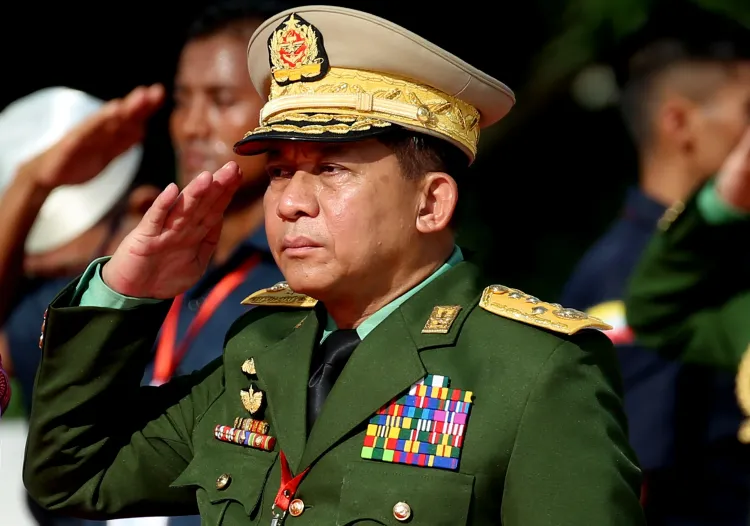
As Myanmar conducts its controversial elections, dubbed a 'pantomime' by foreign diplomats, the reality reflects a predetermined outcome. With citizens feeling trapped between fear and disillusionment, these polls raise serious questions about legitimacy and reform.
Key Takeaways
Myanmar's elections have been criticized as unfair and predetermined.
Western diplomats label the process a mere pantomime .
Citizens express fear and reluctance to vote.
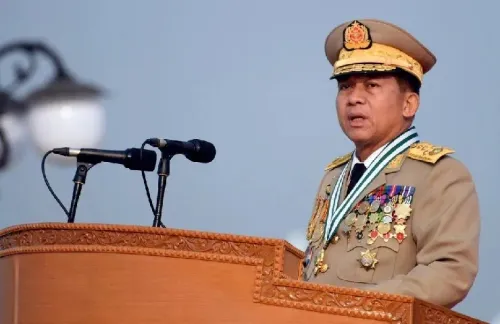
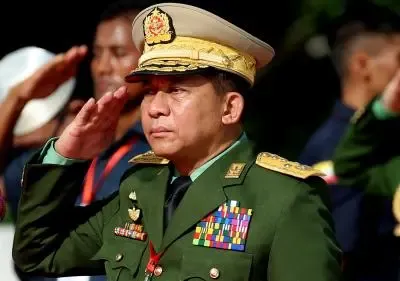
The military junta has been in power for nearly five years.
International observers doubt the legitimacy of the elections.
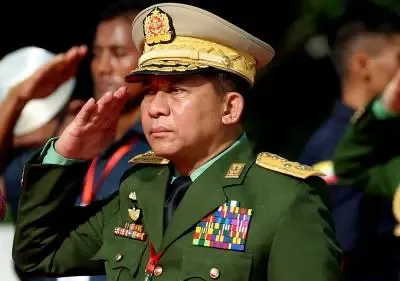
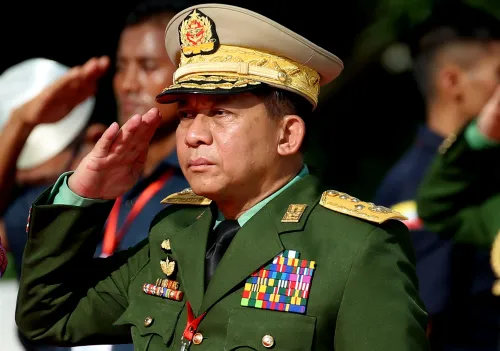
London, Jan 6 (NationPress) The current electoral process in Myanmar, spanning three phases from December 28 to January 25, is anticipated to yield no significant alterations, as Western diplomats and analysts characterize it as a mere “pantomime”—a superficial exercise by the military junta aimed at garnering international legitimacy, according to a report released on Monday.
Furthermore, while Beijing has determined that an unstable criminal state neighboring its territory is unsustainable, it is clear that the ongoing elections in Myanmar are neither free nor fair.
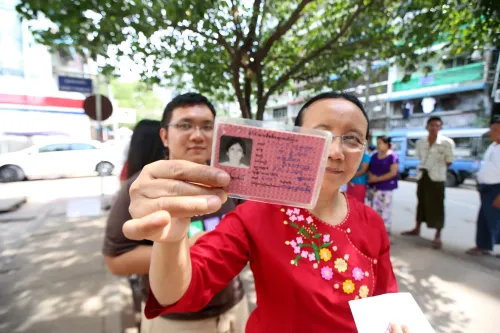
“Outside polling stations, which are heavily guarded by armed police, a cheerful music video plays on a loop, encouraging public participation in the elections. However, there appears to be little enthusiasm for the vote in Yangon, one of Myanmar's largest cities,” the UK-based publication The Telegraph reported.
This marks the first election in the nation since 2020, with various international media outlets receiving rare access.
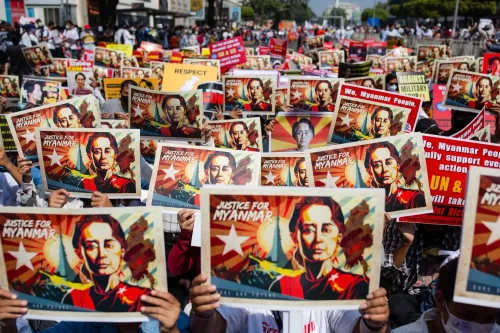
Despite the lack of enthusiasm, voter turnout in Yangon and Mandalay—the two largest cities under military control—remains minimal, contrasting sharply with 2020, when a massive turnout resulted in a landslide victory for pro-democracy leader Aung San Suu Kyi.
“I don’t want to vote, but I am afraid not to. I feel trapped,” expressed a 32-year-old woman, who wished to remain anonymous, echoing sentiments shared by many interviewed by The Telegraph.
“If I vote, I feel like I am betraying my own beliefs. If I don’t vote, I fear that my name will be recorded, and I could be questioned later. Each choice feels perilous,” she added.
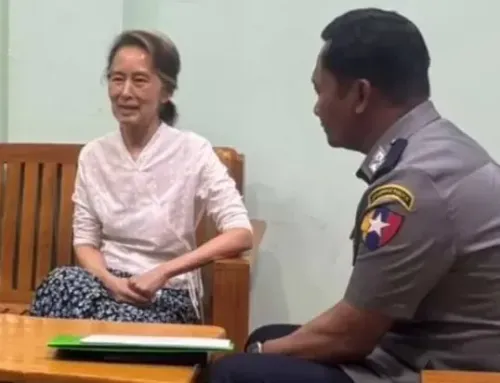
The report highlighted that it has been nearly five years since the military ousted Suu Kyi's popular government, which had marked the end of a decade filled with development and democratic aspirations, plunging the nation into a brutal conflict that has devastated the economy and exacerbated social crises.
With little inclination towards genuine reform, the junta's focus has been on urging citizens to vote rather than addressing the myriad challenges faced by Myanmar.
“[The election] is the latest and most egregious in a long history of rigged votes orchestrated by the military,” stated Yanghee Lee, a former UN Special Rapporteur on human rights in Myanmar.
“They have no intention of reopening the limited democratic space—rather, their goal is to ensure that such a space never emerges again,” The Telegraph quoted her as saying during a recent press briefing.
“[The election] does not signify a softening of their stance, but rather a reinforcement of it.”
She characterized the elections in Myanmar as “neither free nor fair,” cautioning that the outcome is predetermined.
Supporting Lee's concerns, Richard Horsey, an analyst at Crisis Group, remarked, “Once more, as it has for 80 years, the military has devised a method to maintain its grip on power,” adding that China has been “urging the regime to move forward with the polls without further delay.”
Point of View
It is crucial to recognize the desperate situation in Myanmar. The ongoing elections, marked by intimidation and a lack of genuine democratic processes, reflect a troubling trend in governance. The international community must remain vigilant in holding the junta accountable and advocating for the rights of Myanmar's citizens.
NationPress
21 Sept 2026
Frequently Asked Questions
What is the current electoral situation in Myanmar?
Myanmar's elections are being conducted under military oversight and have been criticized as unfair and predetermined, lacking true democratic processes.
How has the international community reacted to these elections?
Western diplomats and analysts have denounced the elections as a 'pantomime', aimed at legitimizing the military junta's grip on power rather than fostering real democratic change.
What do citizens feel about the elections?
Many citizens feel trapped and fearful, expressing reluctance to participate in the voting process due to concerns over possible repercussions.
What is the historical context of these elections?
These are the first elections held since the military coup that overthrew Aung San Suu Kyi's government nearly five years ago, marking a significant regression in Myanmar's democratic progress.
What are the implications of the elections for Myanmar's future?
The elections are likely to entrench military rule further, as they do not represent a genuine commitment to reform or democratic governance.