NCB secures 10-year jail for trio caught with 3.65 kg charas in car speaker
Synopsis
Three drug traffickers who concealed 3.65 kg of charas inside a car speaker have been sentenced to 10 years of rigorous imprisonment each by a Special Court in Rupnagar, Punjab — a case that took the NCB four years to prosecute from a 2021 intelligence-led intercept to a full conviction under the NDPS Act.
Key Takeaways
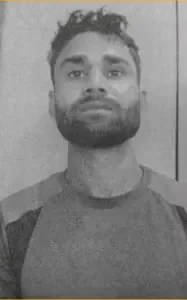
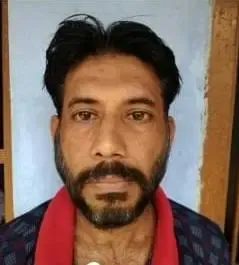
A Special Court in Rupnagar, Punjab , sentenced Kuldeep Singh , Sanjeev Kumar , and Ashok Kumar to 10 years of rigorous imprisonment each.
3.65 kg of charas — a commercial quantity under the NDPS Act — was found hidden in a car's speaker system on 1 July 2021 .
Each convict was fined ₹2 lakh ; default of payment triggers an additional two years in prison.
The court directed confiscation proceedings under Section 60 of the NDPS Act against the vehicle used.
The conviction was secured by the NCB Chandigarh Zonal Unit under NCB Crime No.
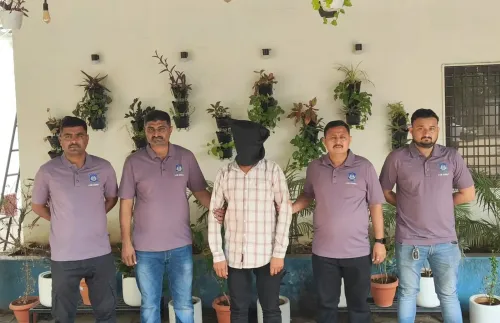
The Narcotics Control Bureau (NCB), Chandigarh Zonal Unit, has secured the conviction of three drug traffickers who were intercepted transporting 3.65 kg of charas hidden inside a car's speaker system on 1 July 2021. A Special Court in Rupnagar, Punjab, has sentenced each of the three accused to 10 years of rigorous imprisonment and imposed a fine of ₹2 lakh on each convict.
How the Accused Were Caught
Acting on specific intelligence, an NCB team mounted surveillance on the Sirhind-Patiala Road in Morinda, Rupnagar district, on 1 July 2021. A vehicle matching the description in the intelligence input was intercepted and searched. Officials discovered seven packets of round and finger-shaped charas concealed inside a speaker fitted in the car's boot — a deliberate attempt to evade detection by hiding contraband within the vehicle's hardware.
The 3.65 kg seizure constitutes a commercial quantity under the Narcotic Drugs and Psychotropic Substances (NDPS) Act, 1985. All three occupants were arrested on the spot and the case was registered as NCB Crime No. 46/2021.
Who Was Convicted
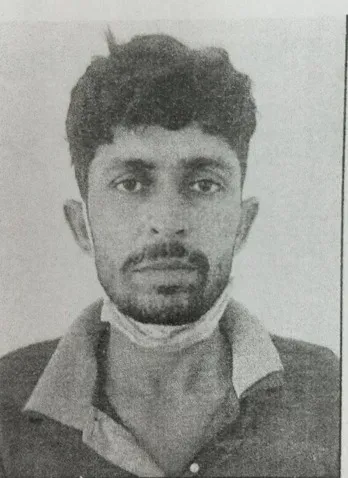
The three convicted individuals are Kuldeep Singh, alias Golu, and Sanjeev Kumar, alias Mithoo — both residents of Nabha in Patiala district — and Ashok Kumar, a resident of Patiala/Chandigarh. The Special Court, presided over by Judge Lukhvinder Kaur Duggal, held that the mandatory provisions of the NDPS Act had been duly complied with throughout the investigation and prosecution.
The Sentence and Legal Provisions
In its judgment dated 21 October, the court convicted the three accused under Section 20(C) and Section 29 read with Section 20 of the NDPS Act. Sentencing was pronounced on 22 October. Each convict was sentenced to 10 years of rigorous imprisonment and fined ₹1 lakh under Section 20(C) and a further ₹1 lakh under Section 29 read with Section 20 — totalling ₹2 lakh per person.
In default of payment of each fine, the convicts face an additional two years of rigorous imprisonment. The substantive sentences will run concurrently. While pronouncing the sentence, the court cited Supreme Court observations on the severe societal impact of narcotics offences. The court also directed the initiation of confiscation proceedings under Section 60 of the NDPS Act against the vehicle used to transport the contraband.
NCB's Broader Crackdown in Punjab
This case is part of the NCB's sustained push against drug trafficking networks in Punjab, a state that has long grappled with narcotics infiltration across its border districts. The successful prosecution underscores the Bureau's use of intelligence-led interceptions — a model it has increasingly relied upon to move from seizures to courtroom convictions. Notably, the case took approximately four years from arrest to sentencing, reflecting both the complexity of NDPS prosecutions and the evidentiary standards the courts apply.
The NCB reiterated its commitment to the government's vision of a 'Nasha Mukt Bharat' (Drug-Free India) and urged members of the public to report drug trafficking activity through the MANAS National Narcotics Helpline at toll-free number 1933. The Bureau assured that the identity of all informants would be kept strictly confidential.
With Punjab's drug problem remaining a persistent political and social flashpoint, convictions of this scale are expected to serve as a deterrent — though enforcement agencies acknowledge that supply chains adapt quickly to interdiction pressure.
Point of View
But the four-year gap between arrest and sentencing points to the systemic delays that blunt the deterrent value of NDPS prosecutions. Punjab's drug problem is structural — rooted in cross-border smuggling corridors and entrenched supply chains — and intelligence-led interceptions, however well-executed, address the carrier rather than the network. The court's invocation of Supreme Court observations on societal harm signals judicial seriousness, yet the real measure of this case's impact will be whether it disrupts the trafficking route rather than merely removing three individuals from it.
NationPress
26 Oct 2026
Frequently Asked Questions
What drugs were seized and where were they hidden?
NCB officers seized 3.65 kg of charas hidden inside a speaker fitted in the boot of a car intercepted on the Sirhind-Patiala Road in Morinda, Rupnagar district, Punjab, on 1 July 2021. The contraband was packed in seven round and finger-shaped packets.
Who were the three convicted drug traffickers?
The three convicted persons are Kuldeep Singh (alias Golu) and Sanjeev Kumar (alias Mithoo), both from Nabha in Patiala district, and Ashok Kumar, a resident of Patiala/Chandigarh. All three were arrested at the spot of interception in 2021.
What sentence did the Special Court hand down?
The Special Court in Rupnagar sentenced each of the three accused to 10 years of rigorous imprisonment and a fine of ₹2 lakh each. Failure to pay the fine carries an additional two years in prison, and the sentences run concurrently.
Under which legal provisions were they convicted?
The three were convicted under Section 20(C) and Section 29 read with Section 20 of the Narcotic Drugs and Psychotropic Substances (NDPS) Act, 1985. The court also ordered confiscation proceedings under Section 60 of the Act against the vehicle used.
How can the public report drug trafficking to the NCB?
The public can report drug trafficking through the MANAS National Narcotics Helpline at toll-free number 1933. The NCB has assured that the identity of all informants will be kept strictly confidential.