NCB secures conviction in 16.5 kg Charas trafficking case near Chandigarh
Synopsis
Nearly seven years after intercepting 16.5 kg of Charas near Chandigarh, the NCB has won convictions against all three accused — two of whom face 12 years of rigorous imprisonment. The case exposes a supply network allegedly running Himachal-sourced contraband to Mumbai, Goa, Bengaluru, and Chennai, underscoring the scale of the hill-state drug corridor.
Key Takeaways
The NCB secured convictions of three persons in an interstate Charas trafficking case on 15 September 2026 .
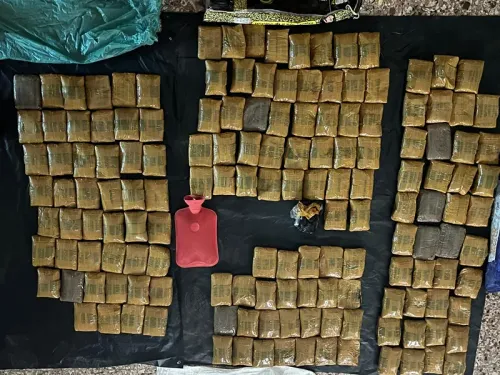
16.5 kg of Charas was seized near Khuda Lahora Bridge, Chandigarh on 18 December 2018 .
Joginder Singh and Anil Kumar were each sentenced to 12 years rigorous imprisonment and fined ₹1 lakh .
Raj Kumar alias Raju received one year rigorous imprisonment and a fine of ₹10,000 .
The accused were allegedly part of a network supplying Charas to Mumbai, Goa, Bengaluru , and Chennai .
An additional 80 grams of Charas was recovered from Raj Kumar's residence in Bhuntar, Himachal Pradesh .
The Narcotics Control Bureau (NCB) has secured the conviction of three individuals in a long-running interstate Charas trafficking case, following the seizure of 16.5 kg of the contraband near the Himachal Pradesh-Chandigarh border, officials confirmed on Saturday, 19 September 2026. The Special Judge, NDPS Court, Chandigarh, delivered its judgment on 15 September, nearly six years after the initial arrests.
How the Case Unfolded
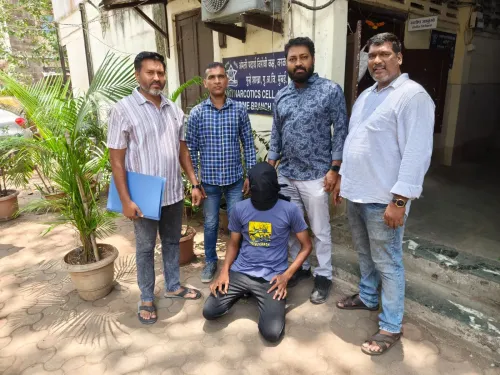
The chain of events began on 18 December 2018, when a team from the NCB's Chandigarh Zonal Unit intercepted a Hyundai Verna near Khuda Lahora Bridge in Chandigarh, registered under NCB Crime No. 49/2018. The search yielded 16.5 kg of Charas, one of the largest recoveries in the region that year.
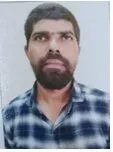
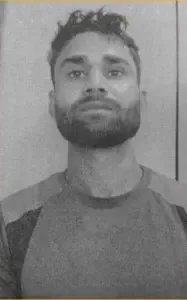
Two accused were arrested on the spot: Joginder Singh, a resident of Kullu district, Himachal Pradesh, and Anil Kumar, a resident of Mandi district. Subsequent investigation pointed to a third suspect, Raj Kumar alias Raju, also from Kullu district, who was arrested on 20 December 2018. A search at his residence in Bhuntar, Himachal Pradesh, led to the recovery of an additional 80 grams of Charas.
The Trafficking Network
According to the NCB, Raj Kumar was allegedly operating as part of a supply network funnelling Charas to major metropolitan centres, including Mumbai, Goa, Bengaluru, and Chennai. The seized consignment was reportedly destined for Mumbai for onward distribution. This pattern — of Himachal Pradesh-sourced Charas being routed through Chandigarh toward southern and western cities — reflects a well-documented trafficking corridor that enforcement agencies have been targeting for years.
Sentences Handed Down
Upon conclusion of the trial, the court convicted all three accused. Joginder Singh and Anil Kumar were each sentenced to 12 years of rigorous imprisonment and fined ₹1 lakh each. Raj Kumar alias Raju, whose primary culpability was found to be lesser in degree, received one year of rigorous imprisonment and a fine of ₹10,000. The NCB had filed the formal complaint under the Narcotic Drugs and Psychotropic Substances (NDPS) Act, 1985, before the Special NDPS Court on 12 June 2019.
NCB's Broader Stance
The bureau described the conviction as a reflection of its sustained commitment to combating narcotics smuggling through rigorous investigation and prosecution. The NCB reiterated the government's stated goal of building a drug-free India, and urged members of the public to report narcotics-related activity via the MANAS National Helpline (1933), with strict assurances of informant confidentiality.
With this judgment, the case — which stretched across nearly seven years of investigation, prosecution, and trial — reaches a close. Enforcement agencies will likely look to this conviction as a template for prosecuting similar interstate supply networks emanating from the Himachal Pradesh hills.
Point of View
The deterrent effect of a conviction is blunted long before it arrives. The NCB's prosecution record would carry greater weight if it were paired with a serious push to reform trial timelines in narcotics courts.
NationPress
19 Sept 2026
Frequently Asked Questions
What was the NCB Charas trafficking case in Chandigarh?
It was an interstate drug trafficking case in which the NCB's Chandigarh Zonal Unit seized 16.5 kg of Charas near Khuda Lahora Bridge on 18 December 2018. Three accused — Joginder Singh, Anil Kumar, and Raj Kumar alias Raju — were arrested and later convicted by the Special NDPS Court, Chandigarh, on 15 September 2026.
What sentences did the convicted accused receive?
Joginder Singh and Anil Kumar were each sentenced to 12 years of rigorous imprisonment and fined ₹1 lakh. Raj Kumar alias Raju received one year of rigorous imprisonment and a fine of ₹10,000 under the NDPS Act, 1985.
Which cities was the Charas allegedly being supplied to?
According to the NCB, the trafficking network was allegedly supplying Charas to Mumbai, Goa, Bengaluru, and Chennai. The seized consignment was reportedly destined for Mumbai for onward distribution to other locations.
How long did the NCB case take to reach a verdict?
The case took nearly seven years from the initial arrests in December 2018 to the court's verdict on 15 September 2026. The NCB filed its formal complaint under the NDPS Act before the Special NDPS Court, Chandigarh, on 12 June 2019.
How can the public report drug trafficking to the NCB?
The NCB has urged citizens to report narcotics-related activity through the MANAS National Helpline at 1933. The agency has assured strict confidentiality for all informants.