Maharashtra NCP MLAs donate one month's salary to CM relief fund for drought-hit farmers
Synopsis
Maharashtra NCP legislators, led by Deputy Chief Minister Sunetra Pawar, handed over one month's salary to Chief Minister Devendra Fadnavis for the CM's Relief Fund — a symbolic but pointed gesture as drought grips 304 talukas statewide. The move comes alongside a sweeping state relief framework that includes ₹25 lakh per-project authorisations, fixed fodder prices, and a high-powered committee under the Chief Minister to track on-ground impact.
Key Takeaways
NCP legislators from the Maharashtra Legislative Assembly and Legislative Council donated one month's salary to the CM's Relief Fund on 17 November 2026 .
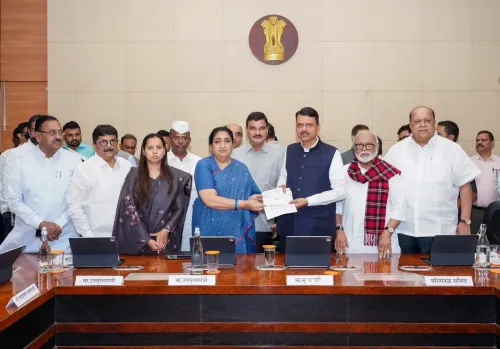
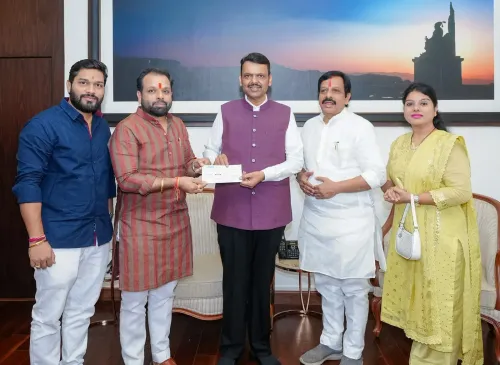
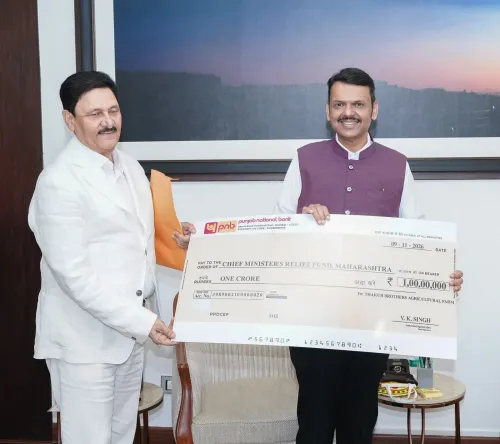
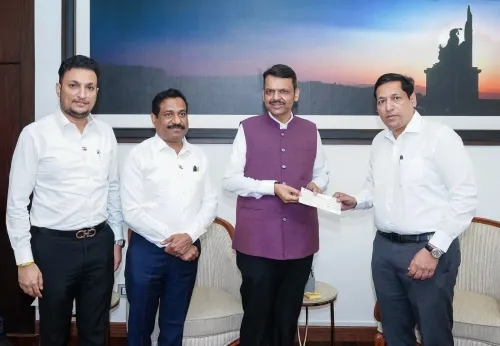
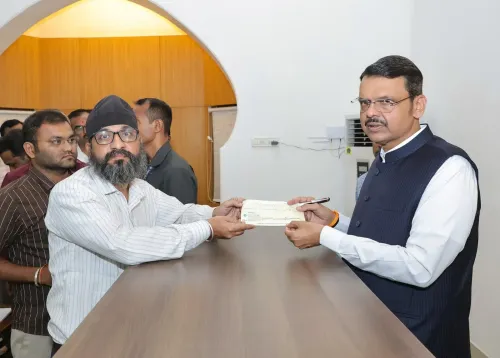
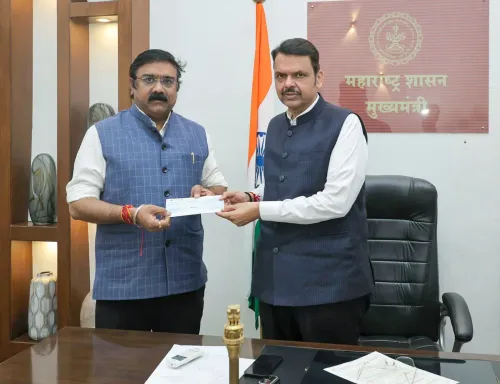
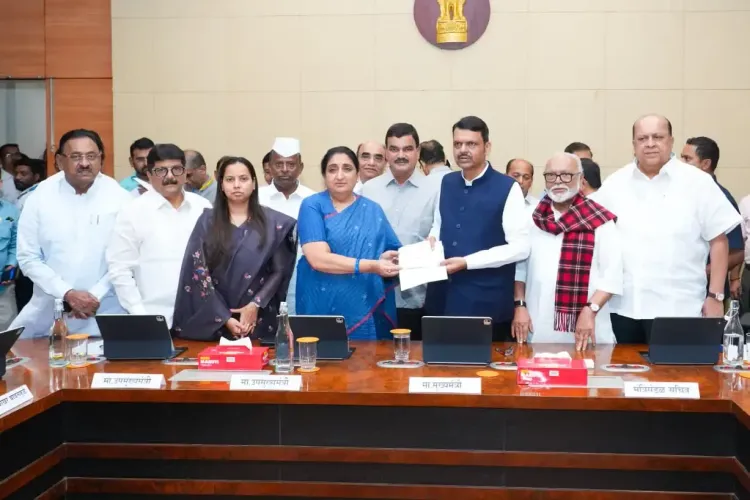
Cheques were presented to Chief Minister Devendra Fadnavis at Mantralaya, Mumbai , led by Deputy CM Sunetra Pawar .
Maharashtra has declared drought in 304 talukas due to significant rainfall deficit.
District Collectors are authorised to sanction drought relief works up to ₹25 lakh per project under the MLA LAD programme.
Fodder prices fixed at ₹12 per kg ; export of fodder outside state borders has been strictly prohibited .
A state-level high-powered committee under Chief Minister Fadnavis has been set up to monitor soil and water conservation projects.
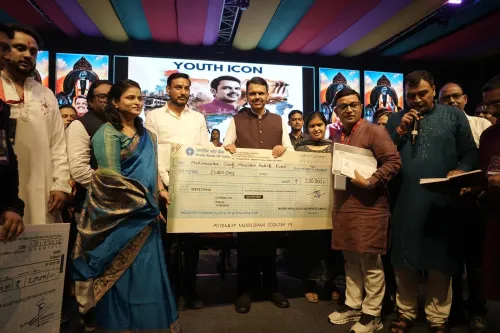
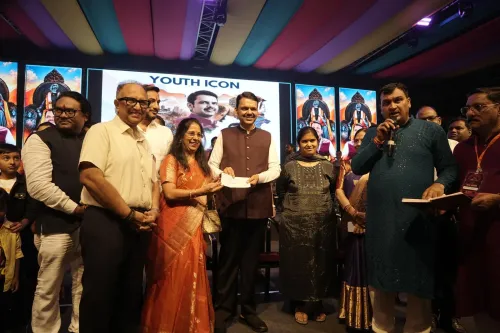
Nationalist Congress Party (NCP) legislators from both the Maharashtra Legislative Assembly and Legislative Council on Tuesday, 17 November donated one month's salary to the Chief Minister's Relief Fund to aid drought-affected farmers across the state. The cheques were handed over to Chief Minister Devendra Fadnavis during the state cabinet meeting at Mantralaya, Mumbai, led by NCP National President and Deputy Chief Minister Sunetra Pawar.
Key Developments
The donation drive was spearheaded by Deputy Chief Minister Sunetra Pawar, who was joined by several senior cabinet ministers including Food and Civil Supplies Minister Chhagan Bhujbal, Medical Education Minister Hasan Mushrif, Cooperation Minister Babasaheb Patil, Food and Drug Administration Minister Narhari Zirwal, Agriculture Minister Dattatray Bharne, Women and Child Development Minister Aditi Tatkare, and senior legislator Shivajirao Garje.
In a press statement, the legislators said, 'Standing firmly with farmers during times of crisis and ensuring they receive the necessary assistance is the true lesson imparted by late Ajit Pawar.' They added that carrying forward his legacy by sharing farmers' hardships remains a collective party responsibility.
Scale of the Drought Crisis
The Maharashtra government has already declared drought in 304 talukas following significant rainfall deficit this season. In response, the state administration has issued a series of Government Resolutions (GRs), circulars, and directives from 5 October through 6 November, decentralising administrative powers and fast-tracking water and soil conservation projects. District and taluka-level coordination committees have been set up, and Taluka-level Chief Minister's Relief Fund cells are being established to manage public health services in affected regions.
Government Relief Measures on the Ground
Under the MLA Local Area Development (LAD) programme, District Collectors are authorised to sanction drought and water-scarcity works up to ₹25 lakh per project in rural and urban areas. Administrative deadlines for works under the District Annual Plan (General) for 2026-27 have been extended, with sanctions permitted up to 30 November. Members of Parliament have also been requested to recommend priority works under the MP LAD programme.
In the 304 talukas facing Trigger-1 and Trigger-2 conditions, soil and water conservation works — including deepening and widening streams, building farm ponds, constructing recharge shafts, installing check dam gates, and creating rainwater harvesting structures — are being executed via NGOs and through the VB G RAM G scheme. A state-level high-powered committee under Chief Minister Fadnavis has been established to monitor these projects.
Fodder Security and Livestock Protection
To address fodder shortages, the government has fixed base prices at ₹12 per kg for fodder and a maximum of ₹8 per kg for silage (excluding transport costs). Fodder production is being scaled up across agricultural, forest, and submergence reservoir lands. The Forest Department has suspended regular grass auctions until further notice to secure fodder for livestock and wildlife.
Transporting fodder out of state borders and using it for non-fodder purposes such as biofuels, power generation, or industrial packaging has been strictly prohibited. Corporate Social Responsibility (CSR) funds will be channelled into fodder depots, water supply, hygiene facilities, CCTV systems, and balers.
Water Supply and Public Health Safeguards
Schools and anganwadis in drought-hit areas have been directed to maintain clean drinking water, functional handwashing stations, and regular biological testing of water samples, with temporary tanker supplies or pipeline extensions deployed where infrastructure is incomplete. Urban and rural local bodies can restore disconnected power supplies to water schemes upon clearing a security deposit of one month and reconnection fees.
As the drought deepens across Maharashtra, the combination of political solidarity gestures and administrative action signals mounting pressure on the state government to deliver tangible relief before the agricultural distress widens further.
Point of View
The more consequential question is whether Maharashtra's decentralised relief framework — with 304 talukas in distress — will translate into on-ground impact fast enough. The state's fodder prohibition and fixed pricing are aggressive interventions, but historically such controls have created black markets rather than solving scarcity. The real accountability test will come when district-level committees report outcomes, not when cheques are handed over at Mantralaya.
NationPress
17 Nov 2026
Frequently Asked Questions
Why did Maharashtra NCP legislators donate their salary to the CM's Relief Fund?
NCP legislators donated one month's salary on 17 November 2026 to the Chief Minister's Relief Fund to support drought-affected farmers across Maharashtra. The state has declared drought in 304 talukas due to deficient rainfall this season.
Who led the salary donation drive and who received the cheques?
The donation was led by NCP National President and Deputy Chief Minister Sunetra Pawar, along with several senior cabinet ministers. The cheques were handed over to Chief Minister Devendra Fadnavis during the state cabinet meeting at Mantralaya, Mumbai.
How many talukas have been declared drought-hit in Maharashtra?
Maharashtra has declared drought in 304 talukas facing Trigger-1 and Trigger-2 conditions due to a significant deficit of rainfall. The government has issued Government Resolutions and directives from 5 October through 6 November to address the crisis.
What relief measures has the Maharashtra government announced for drought-hit areas?
The government has authorised District Collectors to sanction relief works up to ₹25 lakh per project under the MLA LAD programme. Additional measures include fixed fodder prices at ₹12 per kg, soil and water conservation works, a ban on exporting fodder outside state borders, and a high-powered committee under the Chief Minister to monitor projects.
What restrictions have been placed on fodder during the Maharashtra drought?
The state government has prohibited transporting fodder outside Maharashtra's borders and using it for non-fodder purposes such as biofuels, power generation, or industrial packaging. Base prices have been fixed at ₹12 per kg for fodder and a maximum of ₹8 per kg for silage, excluding transport costs.