Pralhad Joshi Meets Tamil Nadu Education Minister on Samagra Shiksha
Synopsis
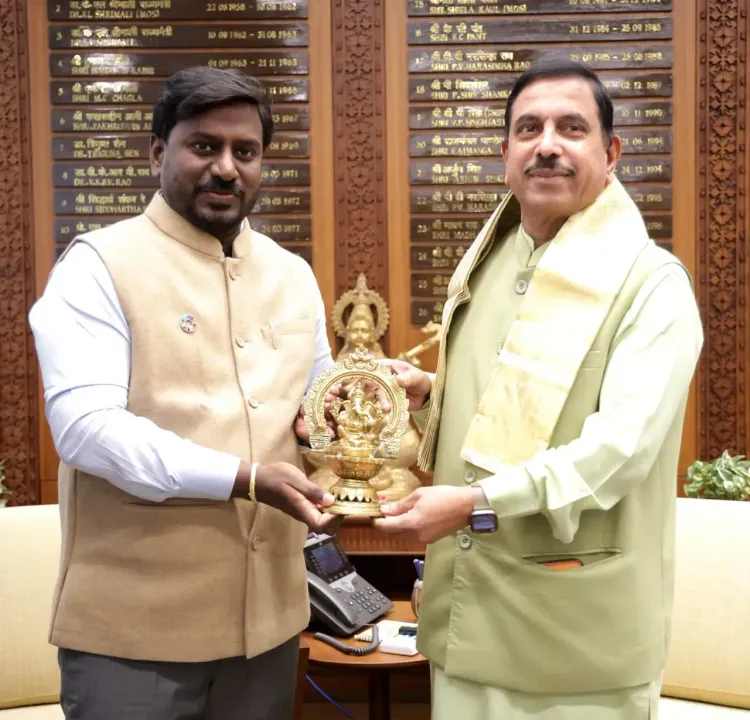
Union Minister Pralhad Joshi and Tamil Nadu School Education Minister Rajmohan met on November 17, 2026, to discuss the Samagra Shiksha Scheme and Jawahar Navodaya Vidyalayas, reaffirming Centre-state commitment to inclusive school education in Tamil Nadu.
Key Takeaways
Union Minister Pralhad Joshi met Tamil Nadu School Education Minister Rajmohan on November 17, 2026 in New Delhi.
Discussions centred on the Samagra Shiksha Scheme and Jawahar Navodaya Vidyalayas in Tamil Nadu.
Samagra Shiksha was launched in 2018-19 , integrating Sarva Shiksha Abhiyan and Rashtriya Madhyamik Shiksha Abhiyan under one umbrella.
Jawahar Navodaya Vidyalayas were established following the National Policy on Education, 1986 , to serve meritorious rural students.
The meeting reflects routine Centre-state coordination on centrally sponsored scheme delivery, cutting across the BJP-DMK political divide.
Key follow-ups include Samagra Shiksha fund releases to Tamil Nadu and any JNV expansion announcements for the state.
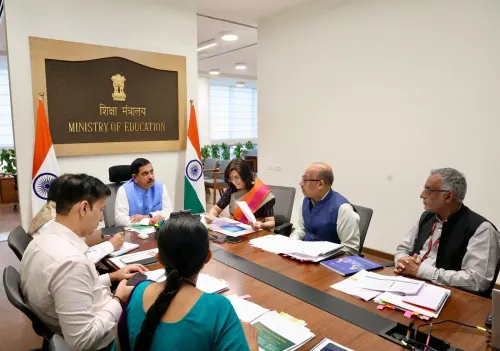
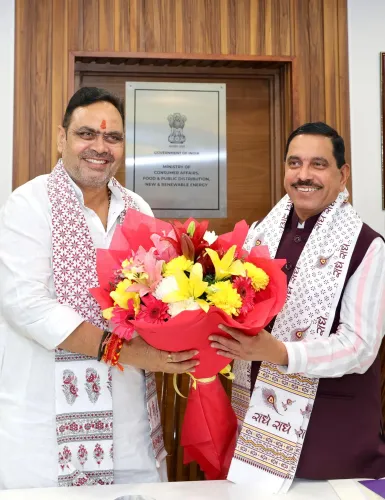
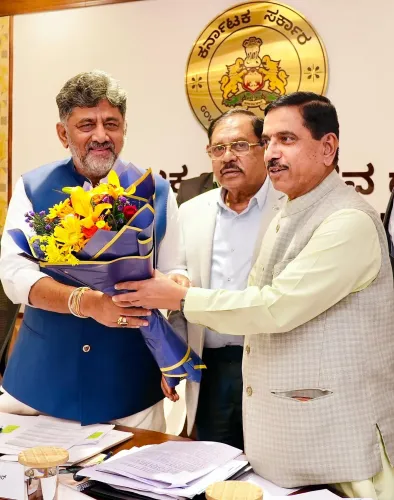
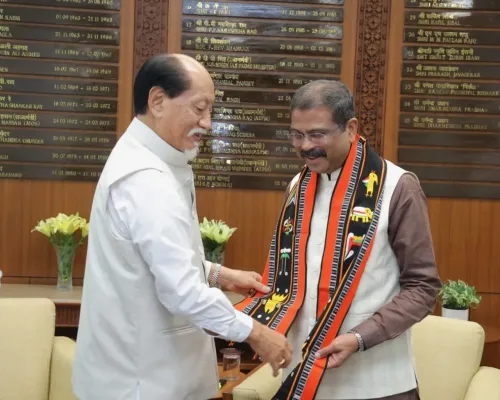
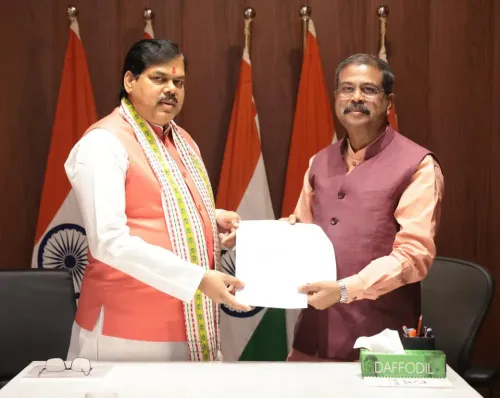
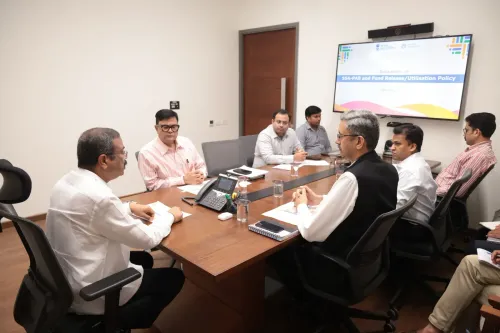
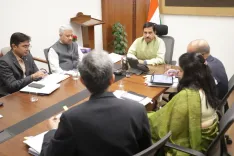
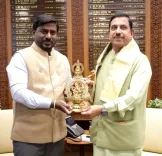
A cross-party conversation about school classrooms and rural talent landed in New Delhi on Tuesday, November 17, 2026, as Union Consumer Affairs Minister Pralhad Joshi sat down with Tamil Nadu School Education Minister Rajmohan to deliberate on key educational priorities for the southern state.
The meeting covered two major pillars of centrally sponsored school education: the Samagra Shiksha Scheme and the Jawahar Navodaya Vidyalayas (JNV) network. Minister Joshi described the discussion as a reaffirmation of 'shared commitment to strengthening school education and ensuring inclusive growth for students across Tamil Nadu.'
What Samagra Shiksha means for Tamil Nadu classrooms
Samagra Shiksha, launched in 2018-19, is the Centre's integrated umbrella scheme for school education, running from pre-school all the way through senior secondary. It absorbed three predecessor programmes — Sarva Shiksha Abhiyan, Rashtriya Madhyamik Shiksha Abhiyan, and teacher training components — into a single architecture. For a state like Tamil Nadu, which runs a robust parallel school administration and its own curriculum, these central transfers matter for infrastructure upgrades, teacher training, and enrolment drives, even as the state retains administrative autonomy.
Central-state reviews of this kind typically zero in on fund utilisation rates, unspent balances, and infrastructure milestones — the nuts-and-bolts of turning allocated rupees into functioning classrooms.
Navodaya Vidyalayas and the rural-talent question in Tamil Nadu
The other item on the table — Jawahar Navodaya Vidyalayas — carries a longer history. Recommended under the National Policy on Education, 1986, these residential schools were designed with one explicit purpose: to identify meritorious students from rural India and give them a world-class learning environment regardless of family income. The JNV system now spans the country, though coverage, seat counts, and infrastructure quality vary significantly from state to state.
Tamil Nadu's engagement with the JNV framework has historically involved both participation and its own independent school-excellence initiatives, making the Centre-state coordination here genuinely consequential for rural students who may have no other route to a residential schooling environment.
BJP-DMK coordination on a shared education brief
The optics of this meeting are worth clocking. Minister Rajmohan represents the DMK-led Tamil Nadu government, which sits in political opposition to the BJP at the national level. That a senior BJP Union Minister and a DMK state minister are meeting to align on educational delivery is a reminder that centrally sponsored schemes create functional corridors of coordination that cut across the electoral divide. School children in Tamil Nadu do not vote along party lines — their classrooms depend on both governments getting the paperwork right.
Such engagements are routine on the administrative calendar but tend to accelerate ahead of annual fund-release reviews and parliamentary sessions when questions on scheme implementation come to the floor.
The next indicator to watch: whether Samagra Shiksha fund releases to Tamil Nadu move on schedule, and whether any JNV expansion announcements for the state follow from today's discussions.
Point of View
The architecture of centrally sponsored schemes forces regular, substantive dialogue. For Tamil Nadu, the Samagra Shiksha and JNV conversations are not ceremonial — they carry real fiscal and infrastructure consequences for public school students. The BJP government's decision to hold and publicise this meeting signals an interest in demonstrating cooperative federalism on education, a domain where the DMK has historically projected strong state ownership. How quickly fund flows and on-ground implementation follow will determine whether this engagement is administrative housekeeping or a genuine policy inflection.
NationPress
17 Nov 2026
Frequently Asked Questions
What is the Samagra Shiksha Scheme?
Samagra Shiksha is a centrally sponsored integrated scheme for school education in India, launched in 2018-19 by merging Sarva Shiksha Abhiyan, Rashtriya Madhyamik Shiksha Abhiyan, and teacher training programmes. It covers education from pre-school to senior secondary level and provides funding to states for infrastructure, teacher training, and enrolment initiatives.
What are Jawahar Navodaya Vidyalayas?
Jawahar Navodaya Vidyalayas are a network of central government residential schools for meritorious students from rural areas, first established following the National Policy on Education in 1986. They aim to provide quality education irrespective of a student's socioeconomic background.
Why did Pralhad Joshi meet Tamil Nadu's Education Minister?
Union Minister Pralhad Joshi met Tamil Nadu School Education Minister Rajmohan on November 17, 2026, to deliberate on key educational priorities including the Samagra Shiksha Scheme and Jawahar Navodaya Vidyalayas, and to reaffirm commitment to inclusive school education in Tamil Nadu.
Who is Rajmohan, Tamil Nadu's School Education Minister?
Rajmohan is the Minister for School Education, Tamil Development, Information and Publicity in the DMK-led Tamil Nadu state government, responsible for overseeing the state's school education administration and its engagement with central education schemes.
Does Tamil Nadu participate in central school education schemes despite having its own curriculum?
Yes, Tamil Nadu participates in centrally sponsored schemes like Samagra Shiksha while maintaining its own curriculum and administrative control. Central funds support infrastructure, teacher training, and enrolment drives, complementing the state's independent education initiatives.