Should NCR Governments and Private Offices Implement Work-from-Home Due to Toxic Air?
Synopsis
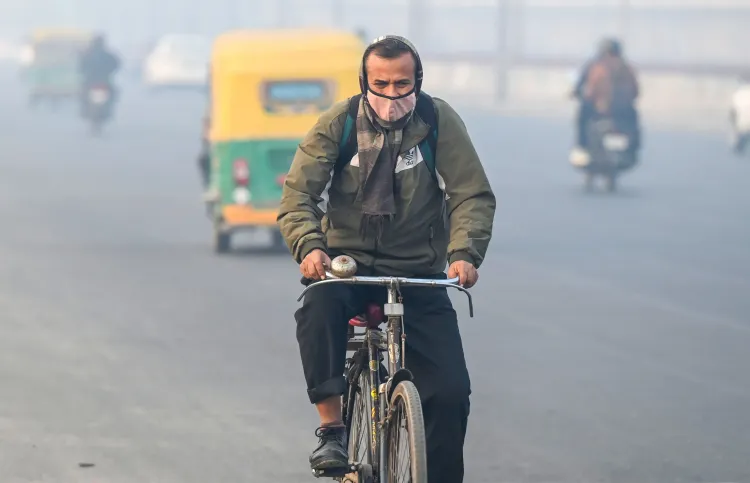
As air quality in Delhi-NCR worsens, the CAQM has issued new guidelines urging government and private offices to allow half of their employees to work from home. This measure seeks to combat the deteriorating air conditions and protect public health. Discover how these changes may impact daily life and work in the region.
Key Takeaways
Work-from-home is recommended for 50% of employees in Delhi-NCR.
The CAQM has updated the Graded Response Action Plan (GRAP).
Staggered working hours may be introduced in government offices.
Dust control measures are being enforced rigorously.
Public health is a primary concern amid rising PM2.5 levels.
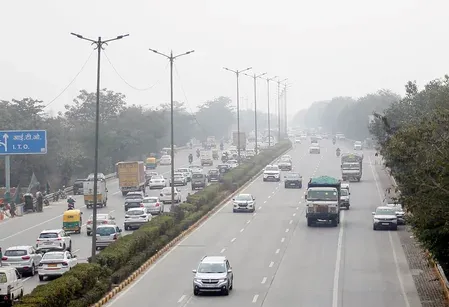
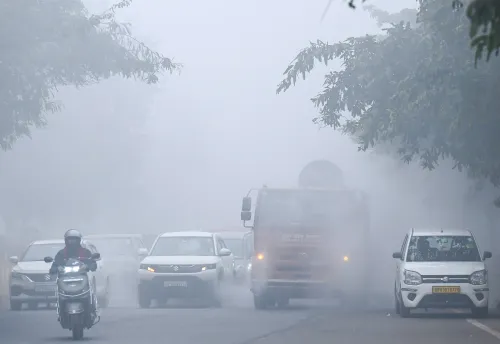
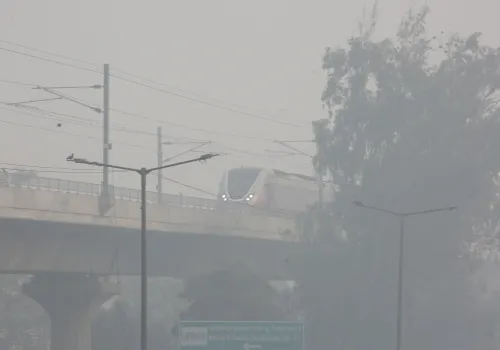
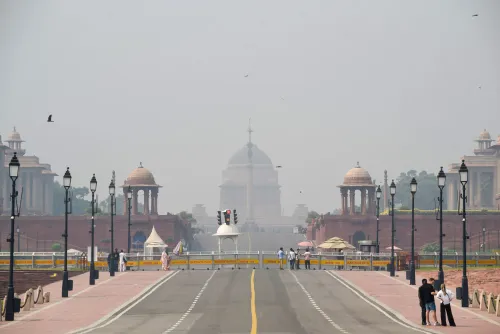
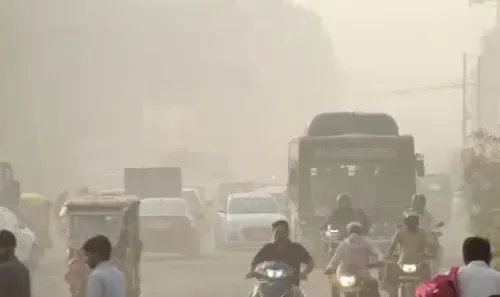
New Delhi, Nov 22 (NationPress) With the air quality declining in the Delhi-NCR region, the CAQM has announced new regulations that introduce stricter measures from the GRAP-IV stage into GRAP-III. These guidelines recommend that government and private offices enable work-from-home arrangements for half of their employees, according to an official statement released on Saturday.
The Commission for Air Quality Management (CAQM) has updated the Graded Response Action Plan (GRAP) and instructed NCR authorities to adhere to these new regulations, stated an official from the Ministry of Environment, Forest and Climate Change.
During a comprehensive consultation held on Friday, the Commission's Sub-Committee on GRAP engaged with various stakeholders and collectively decided to integrate certain GRAP-IV stage measures into GRAP-III.
According to an official release, the following actions that are currently classified under GRAP Stage IV will now be applicable under GRAP Stage III: “NCR state governments/GNCTD must decide on allowing public, municipal, and private offices to operate at 50% capacity, with the remaining workforce working from home.”
“The Central Government may also consider allowing work-from-home options for employees in Central Government offices,” the statement added.
The CAQM has encouraged the Delhi government and other NCR states to implement work-from-home for half their employees, a measure reminiscent of previous actions taken when air quality levels soared above 450 AQI.
This recommendation comes close to a decision by the Delhi government to initiate staggered working hours in government offices, a measure that was previously part of GRAP-III but has now been reassigned to GRAP-II for AQI levels between 301 and 400.
Additionally, advisories and transportation enhancements previously categorized under GRAP-II will now be classified under GRAP-I, which is enacted for AQI levels between 201 and 300.
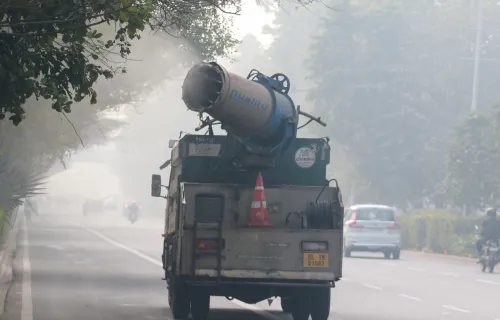
On Friday, Delhi Environment Minister Manjinder Singh Sirsa announced the rigorous enforcement of the Delhi Pollution Control Committee’s Dust Mitigation Guidelines aimed at road cutting, as part of efforts to combat air pollution.
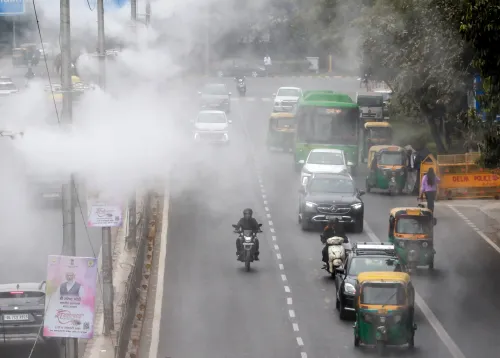
The Delhi government has also stepped up the enforcement of dust control measures at road-cutting sites under its Winter Action Plan, according to an official announcement.
“Addressing dust pollution at its source is crucial for mitigating the rising levels of PM2.5 and safeguarding public health,” stated Sirsa.
Point of View
The CAQM's decision underscores the urgent need for effective measures to combat air pollution. While the work-from-home directive is a necessary step, it is vital for authorities to ensure that long-term solutions are implemented to improve air quality sustainably. The nation must prioritize public health while balancing economic activities.
NationPress
7 Oct 2026
Frequently Asked Questions
What is the reason for the work-from-home recommendation?
The CAQM's recommendation for work-from-home is due to the deteriorating air quality in the Delhi-NCR region, which poses a risk to public health.
How many employees are advised to work from home?
The CAQM suggests that 50% of employees in both government and private offices should work from home.
What measures are being taken to mitigate air pollution?
The government has implemented various measures, including stricter dust control guidelines and encouraging remote work, to tackle rising pollution levels.