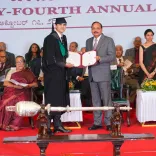
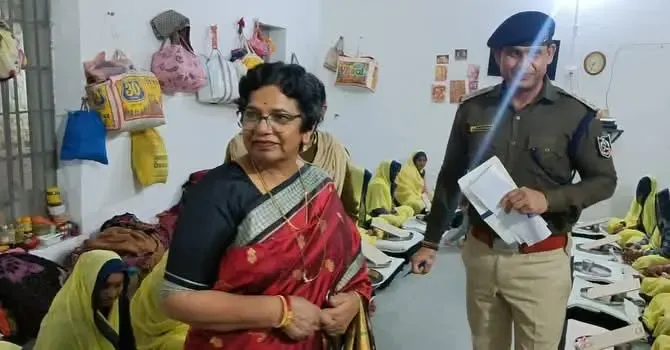
NCW chief Vijaya Rahatkar flags gender-sensitive justice gap in two HC rulings
Synopsis
NCW Chairperson Vijaya Rahatkar has publicly flagged two High Court rulings — from Patna and Allahabad — where sexual offence charges were downgraded, sparking a national conversation about whether courts are applying the 'preparation versus attempt' distinction in ways that dilute the gravity of crimes against women. Her call for gender-sensitive judicial reasoning, backed by a National Judicial Academy handbook, arrives as the Supreme Court has already initiated suo motu proceedings in one of the cases.
Key Takeaways
NCW Chairperson Vijaya Rahatkar on 17 October 2026 flagged two High Court rulings for allegedly diluting the severity of sexual offences against women.
Both rulings — from Patna High Court and Allahabad High Court — rejected 'attempt to commit rape' convictions, applying the less severe Section 354 IPC (outraging modesty) instead.
The Allahabad High Court case prompted the Supreme Court to initiate suo motu proceedings.
Rahatkar cited the National Judicial Academy's handbook 'Judgments and Gender' and called for its principles to be mainstreamed in judicial practice.
The NCW stressed that judicial language must treat survivors with dignity and compassion , without implying personal responsibility for the offence.
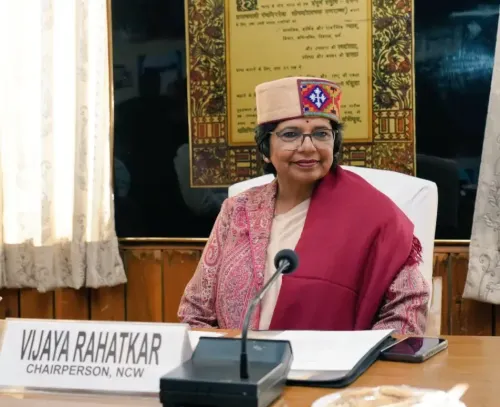
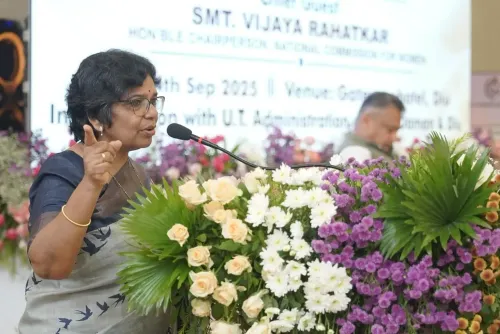
National Commission for Women (NCW) Chairperson Vijaya Rahatkar on Saturday, 17 October 2026, called for greater consistency, sensitivity, and compassion in judicial reasoning on sexual offences, citing two High Court rulings where the severity of crimes against women appeared to have been downgraded under less stringent penal provisions.
Key Developments
In a post on social media platform X, Rahatkar highlighted two cases — one from the Patna High Court and one from the Allahabad High Court — in which accused persons were not convicted under the provision for 'attempt to commit rape', with courts instead applying the less severe charge of outraging modesty under Section 354 of the Indian Penal Code (IPC).
The NCW chief quoted directly: 'Justice must be guided by law and evidence, while its language and reasoning must uphold the dignity of every survivor. Gender-sensitive adjudication is essential to strengthening public confidence in the justice system.'
The Two Cases Cited
In the Patna High Court case — Md. Ainul Haque versus State of Bihar — the court's order noted that the accused had entered the dwelling of a widow late at night, extinguished the lamp, lain upon her person, and pressed her mouth. The court held this sufficient to establish an offence under Section 354 IPC, but ruled that, in the absence of evidence of undressing or any act towards penetration, it did not constitute an attempt to commit rape under IPC Section 376 read with Section 511.
The second case arose from an Allahabad High Court order relating to the alleged act of pulling a victim's pyjama drawstring — a ruling that reportedly prompted the Supreme Court to initiate suo motu proceedings. Rahatkar cited both judgments as illustrating the critical legal distinction between 'preparation' and 'attempt' in cases of sexual offences, and the need for clarity and consistency in applying that distinction.
What the NCW Said
Rahatkar added: 'The National Commission for Women recognises that every case must be decided on its own facts, circumstances, evidence and applicable law. At the same time, these judgments highlight the importance of clarity and consistency in applying the legal distinction between 'preparation' and 'attempt' in sexual offences.'
She also drew attention to the National Judicial Academy's published handbook, titled 'Judgments and Gender: Sensitivity and Compassion in Writing Judgments', urging its principles be mainstreamed across judicial practice. The handbook's key tenets include understanding evidence in the context of survivors' trauma, avoiding language that stereotypes or stigmatises survivors, and framing sexual offences as violations of bodily autonomy and personal dignity — rather than through notions of chastity, family honour, or morality.
Why This Matters
The NCW's intervention is part of a broader, ongoing conversation about gender-sensitive jurisprudence in India. Critics and legal scholars have long argued that judicial language in sexual offence cases can inadvertently reinforce patriarchal norms, undermining both survivor dignity and deterrence. Notably, the Supreme Court's suo motu action in the Allahabad case signals that judicial oversight of such rulings is already in motion.
Rahatkar stressed that gender-sensitive judgments must 'communicate with fairness, dignity and empathy', treating survivors of sexual violence with respect and compassion without implying any degree of personal responsibility for the offence. As legal debate on the 'preparation versus attempt' threshold in sexual offences continues, the NCW's public stance is expected to sharpen pressure on judicial bodies to adopt consistent, survivor-centred reasoning.
Point of View
And its inconsistent application across High Courts creates a jurisprudential lottery for survivors. The fact that the Supreme Court had to step in suo motu on the Allahabad case underscores that self-correction within the lower judiciary is not happening fast enough. The National Judicial Academy's handbook exists — the gap is enforcement and measurable uptake, not the absence of guidance. The NCW's public platform pressure is valuable, but without mandatory gender-sensitivity training for judges at the trial and appellate level, these interventions risk remaining symbolic.
NationPress
17 Oct 2026
Frequently Asked Questions
Why did NCW chief Vijaya Rahatkar speak out about High Court rulings on sexual offences?
Rahatkar raised concerns after two High Courts — in Patna and Allahabad — declined to convict accused persons for 'attempt to commit rape', applying the lesser charge of outraging modesty instead. She argued that such rulings risk diluting the gravity of sexual crimes and called for greater consistency, sensitivity, and clarity in judicial reasoning.
What happened in the Patna High Court case cited by the NCW?
In the case of Md. Ainul Haque versus State of Bihar, the Patna High Court held that the accused — who had entered a widow's home late at night, extinguished the lamp, and lain upon her — was guilty of outraging modesty under Section 354 IPC. However, citing the absence of evidence of undressing or any act towards penetration, the court ruled it did not amount to an attempt to commit rape under IPC Section 376 read with Section 511.
What is the Allahabad High Court case that prompted Supreme Court suo motu action?
The Allahabad High Court case involved an alleged act of pulling a victim's pyjama drawstring. The ruling's characterisation of the offence drew enough concern that the Supreme Court initiated suo motu proceedings — signalling the highest court's own reservations about the judgment's reasoning.
What is the National Judicial Academy handbook on gender sensitivity?
The National Judicial Academy has published a handbook titled 'Judgments and Gender: Sensitivity and Compassion in Writing Judgments'. It outlines principles for gender-sensitive judicial reasoning, including understanding survivor trauma, avoiding stigmatising language, and framing sexual offences as violations of bodily autonomy rather than through notions of chastity or family honour.
What is the legal difference between 'preparation' and 'attempt' in sexual offence cases?
'Preparation' refers to acts taken to facilitate a crime that fall short of a direct move towards committing it, while 'attempt' involves a direct, proximate step towards the commission of the offence. In sexual offence law, this distinction determines whether an accused is charged under the more serious 'attempt to commit rape' provisions or lesser charges. Rahatkar has called for clarity and consistency in how courts apply this distinction.