NEET-UG 2026 re-exam: 20 lakh students, 5,440 centres, zero controversy
Synopsis
Cancelled amid controversy and rebuilt in 37 days — NEET-UG 2026's re-examination on 21 June mobilised seven lakh officials, 1.38 lakh CCTV cameras, and 51,000 jammers for 20 lakh students. The scale and security of the exercise set a new benchmark for high-stakes public examinations in India, though the real verdict will come when results land.
Key Takeaways
More than 20 lakh students appeared for the NEET-UG 2026 re-examination on 21 June 2026 .
The NTA organised the re-exam within a record 37 days of the earlier test being cancelled over irregularity concerns.
Nearly seven lakh officials were deployed; over 1.38 lakh CCTV cameras and 51,000 signal jammers were used across 95,000+ examination rooms .
More than 10,000 Persons with Disabilities and approximately 81 candidates with serious medical conditions received special accommodations.
At least 10 central ministries and departments — including Home Affairs, Defence, Railways, and MeitY — contributed to the exercise.
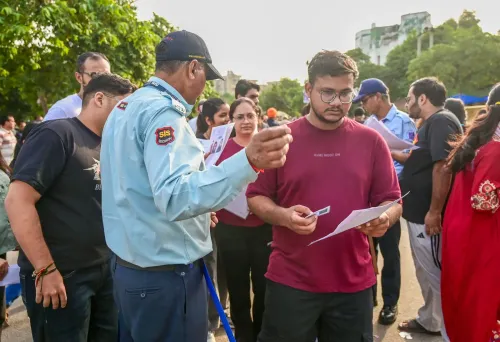
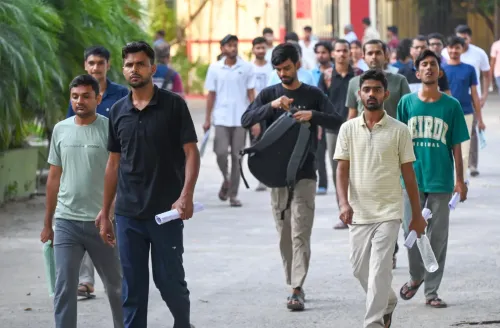
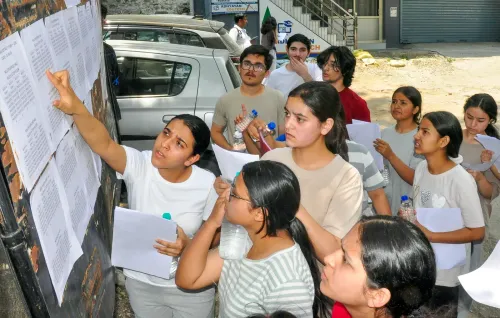
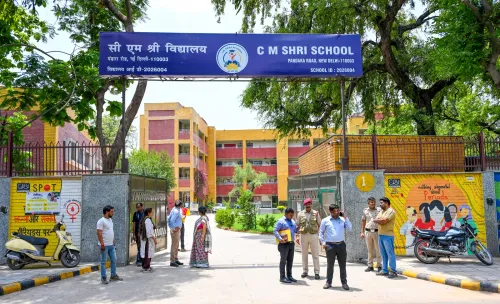
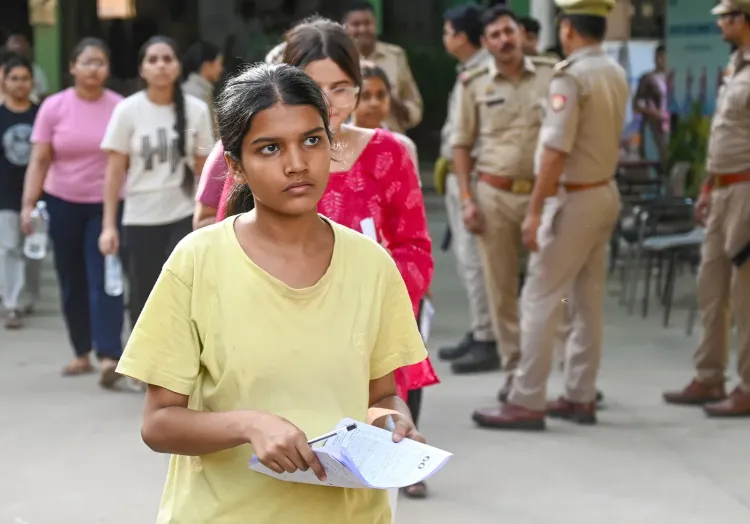
More than 20 lakh medical aspirants sat the NEET-UG 2026 re-examination on 21 June 2026 across 5,440 centres in India and 14 centres abroad, in what officials and analysts are calling one of the most tightly coordinated public examinations in the country's history. The re-exam was organised within a record 37 days of the earlier test being cancelled over irregularity concerns.
Scale of the Operation
The National Testing Agency (NTA) anchored the exercise, but the effort stretched far beyond a single body. Nearly seven lakh officials — examination staff, police personnel, observers, and administrators — were mobilised nationwide. More than 95,000 examination rooms were monitored via over 1.38 lakh CCTV cameras, while more than 51,000 signal jammers were deployed to eliminate electronic malpractice, according to officials.
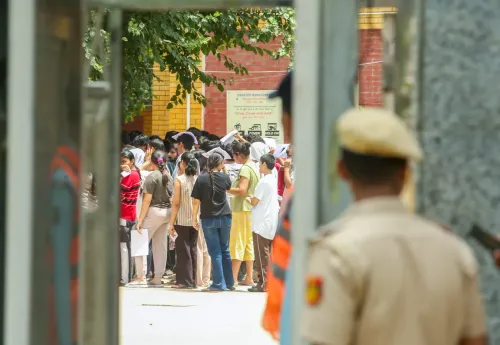
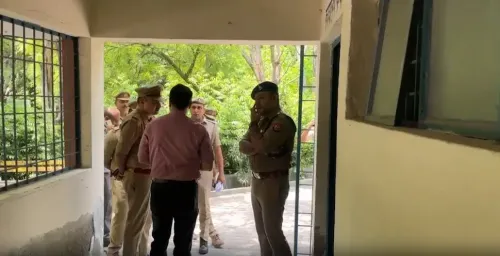
Security protocols included Aadhaar-based biometric verification, facial authentication, two-layer frisking, and real-time monitoring through command-and-control centres. Analysts say these measures marked a significant escalation in examination-security standards compared with previous cycles.
A Multi-Ministry Effort
The Ministry of Education provided overarching leadership, while support came from the Ministry of Home Affairs, Ministry of Health and Family Welfare, Ministry of Defence, Ministry of External Affairs, Ministry of Railways, Department of Posts, National Informatics Centre (NIC), Ministry of Electronics and Information Technology (MeitY), Central Armed Police Forces (CAPF), and several banking partners. Observers noted that the cross-departmental coordination reflected the breadth of India's governance infrastructure when directed toward a single objective.
State governments played an equally significant role, ensuring centres were equipped with drinking water, shaded waiting areas, refreshments, ambulances, and emergency medical support. Free transportation was arranged for candidates in several states.
Inclusion and Accessibility
More than 10,000 Persons with Disabilities received dedicated support and accommodations, according to officials. Special arrangements were also extended to approximately 81 candidates facing serious medical conditions — including students recovering from road accidents and those undergoing chemotherapy — so that no aspirant was denied the opportunity to appear on medical grounds.
On the ground, police personnel helped candidates reach the correct centres on time, transport authorities arranged special services, and administrative staff addressed disruptions caused by adverse weather conditions.
Student Response
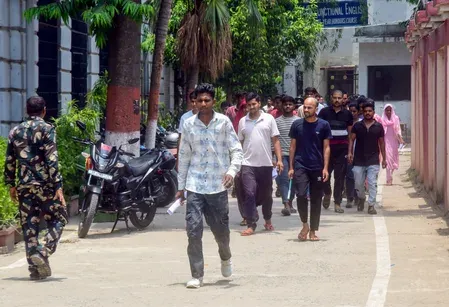
Candidates from across the country acknowledged the improved security arrangements and efficient centre management, with many describing the conduct as orderly and fair, according to reports. For thousands of aspirants who had faced uncertainty following the earlier controversy, the re-examination represented a credible fresh start.
What Comes Next
Results are awaited, and scrutiny of the process will continue — particularly given that the original exam's cancellation had triggered a national debate about examination integrity. Whether the institutional machinery that delivered on 21 June can sustain this standard through counselling and beyond will be the next test for the NTA and the broader education administration.
Point of View
000 rooms in 37 days is genuinely difficult. But the article's framing skews heavily toward institutional self-congratulation, and that deserves scrutiny. The original NEET-UG cancellation was not a minor procedural hiccup; it was a systemic failure that shook confidence in India's medical admissions architecture. Smooth re-execution does not erase that failure — it is the minimum expected response. The harder questions — how irregularities entered the first exam, what structural reforms the NTA has adopted, and whether independent oversight now exists — are absent from this account. A single well-run re-exam is a floor, not a ceiling.
NationPress
21 Sept 2026
Frequently Asked Questions
Why was the NEET-UG 2026 re-examination held?
The NEET-UG 2026 re-examination was held on 21 June 2026 after the earlier examination was cancelled due to concerns about irregularities. The NTA organised the fresh test within 37 days to restore confidence in the process and give students a fair opportunity.
How many students appeared for the NEET-UG 2026 re-exam?
More than 20 lakh medical aspirants appeared for the re-examination across 5,440 centres in India and 14 centres abroad on 21 June 2026.
What security measures were in place for the NEET-UG 2026 re-exam?
Security measures included Aadhaar-based biometric verification, facial authentication, two-layer frisking, over 1.38 lakh CCTV cameras across 95,000+ rooms, and more than 51,000 signal jammers to prevent electronic malpractice. Real-time monitoring was conducted through command-and-control centres.
Which government departments were involved in conducting the re-exam?
At least ten central bodies were involved, including the Ministry of Education, Ministry of Home Affairs, Ministry of Health and Family Welfare, Ministry of Defence, Ministry of Railways, NIC, MeitY, CAPF, and several banking partners, alongside state governments.
Were special arrangements made for differently abled and medically unwell candidates?
Yes. More than 10,000 Persons with Disabilities received dedicated support and accommodations. Around 81 candidates with serious medical conditions — including those recovering from accidents or undergoing chemotherapy — were also given special provisions to enable them to appear for the exam.