NEET-UG 2026 re-exam: NTA deploys Air Force, paramilitary for highest-ever security
Synopsis
To re-run India's most high-stakes medical entrance test in just 37 days after a scandal-hit first attempt, the NTA has called in the Indian Air Force for logistics and paramilitary forces for ground security — measures it describes as unprecedented in its own history. Telegram has also been blocked nationwide until 22 June, with action taken against over 200 channels linked to exam fraud and other cybercrimes.
Key Takeaways
NEET-UG 2026 re-examination is scheduled for 21 June , following irregularities in the 3 May exam.
NTA has deployed the Indian Air Force , paramilitary forces , police, 100% CCTV surveillance , and GPS tracking — described as the highest security in NTA's history.
The re-exam is being conducted in 37 days , compared to the usual five-month cycle, requiring Air Force logistics support.
Action has been taken against more than 200 Telegram channels ; MeitY has been asked to block Telegram in India until 22 June .
A Telegram timestamp-manipulation feature was allegedly used to fabricate a question paper leak using a student's paper from Anantnag, Kashmir .
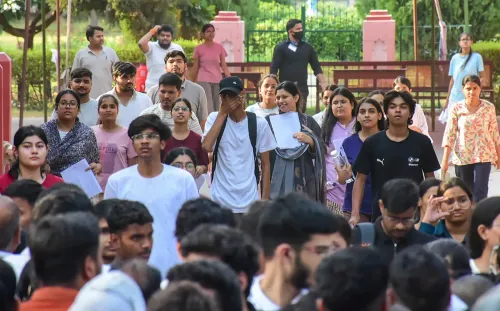
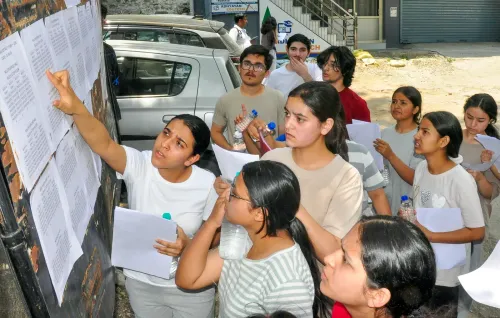
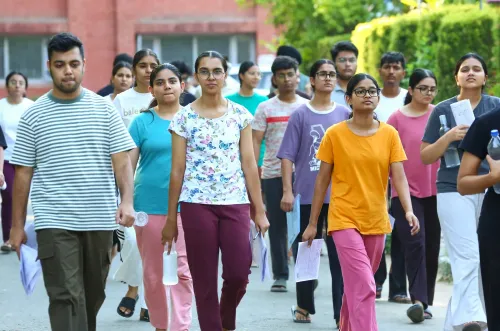
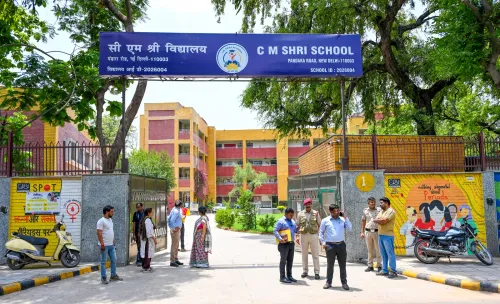
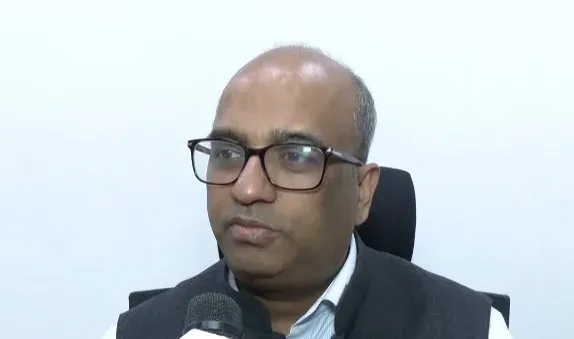
The National Testing Agency (NTA) has deployed paramilitary forces and the Indian Air Force to secure the NEET-UG 2026 re-examination scheduled for 21 June, with Director General Abhishek Singh describing the arrangements as the most stringent in the agency's history. The extraordinary measures follow irregularities detected in the 3 May NEET-UG exam, which triggered a re-test to be conducted within a compressed 37-day window.
Security Measures Deployed
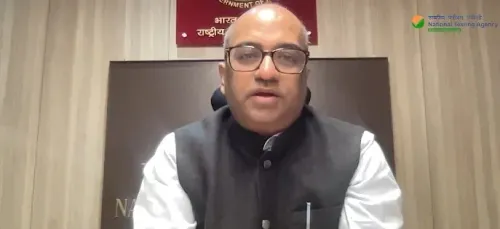
Abhishek Singh said the agency has secured every stage of the examination process — from question paper drafting and translation into 12 Indian languages, to printing, packaging, and physical movement of materials. 'We have ensured the highest order of security, much more than what has ever been done in the history of NTA, to ensure that the entire process is safe, secure and does not have any possibilities of malpractice,' he stated.
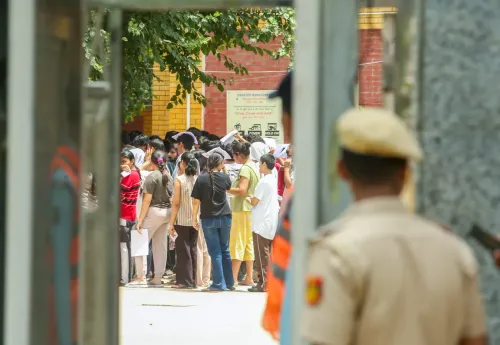
The security apparatus includes paramilitary forces, the Indian Air Force, state police, 100 per cent CCTV surveillance, and GPS tracking of all logistics. Singh said a close watch is being maintained on every individual involved in the examination chain.
Why the Air Force Is Involved
The use of the Indian Air Force for logistics is directly tied to the tight turnaround. Ordinarily, conducting a NEET-UG cycle takes approximately five months; this re-examination is being executed in 37 days to avoid disrupting academic calendars and session schedules. Compressing that timeline required faster and more secure movement of question papers than ground logistics alone could guarantee.
Telegram Blocked, Over 200 Channels Acted Against
The NTA has also requested the Ministry of Electronics and Information Technology (MeitY) to block access to Telegram in India until 22 June. Singh said action has been taken against more than 200 Telegram channels, many of which were found to operate across multiple names — not only for exam-related malpractice but also for pornography, child sexual abuse material, drug abuse, crypto scams, and investment fraud.
'It is more of a cybercrime than any examination-related matter,' Singh noted, adding that the same perpetrators repeatedly change group names to evade detection.
How a Telegram Feature Was Allegedly Exploited
Singh highlighted a specific technical vulnerability: Telegram previously allowed users to alter the content of a post without changing its timestamp. He said that on 3 May, a Telegram channel claimed to have accessed the main question paper as early as 1 May, sharing videos purportedly showing the actual paper. Investigators found the video had been manipulated — the question paper of a student from Anantnag, Kashmir was used to fabricate the appearance of a pre-exam leak.
This comes amid sustained public and judicial scrutiny of the NTA's examination integrity framework. With the re-examination days away, the agency's credibility now rests on the flawless execution of what it describes as an unprecedented security operation.
Point of View
Either operationally or politically. The 37-day turnaround is itself a high-wire act: speed was chosen to protect academic calendars, but speed is also what creates the conditions for shortcuts. The Telegram episode further reveals how ill-equipped India's examination infrastructure has been against basic social-engineering attacks. Blocking an entire platform nationwide is a blunt instrument that raises civil liberties questions the NTA has not addressed. The real test on 21 June is not just whether the paper stays sealed — it is whether the NTA can demonstrate systemic reform, not just a one-time security surge.
NationPress
15 Sept 2026
Frequently Asked Questions
When is the NEET-UG 2026 re-examination scheduled?
The NEET-UG 2026 re-examination is scheduled for 21 June 2026. It was ordered after irregularities were detected in the original exam held on 3 May 2026.
Why is the Indian Air Force being used for a NEET exam?
The Indian Air Force is being used for logistics because the re-examination must be conducted within 37 days — far shorter than the usual five-month cycle. Air transport allows the NTA to move question papers faster and more securely within the compressed timeline.
Why has Telegram been blocked in India ahead of NEET 2026?
The NTA requested MeitY to block Telegram in India until 22 June after action was taken against more than 200 channels linked to exam fraud, cybercrime, and other illegal activity. Investigators also found that a Telegram feature allowing post-content edits without changing timestamps was allegedly used to fabricate a question paper leak.
What security measures has the NTA put in place for the NEET re-exam?
The NTA has deployed paramilitary forces, the Indian Air Force, state police, 100 per cent CCTV surveillance, and GPS tracking covering all stages from question paper drafting to delivery. NTA Director General Abhishek Singh described it as the highest level of security in the agency's history.
What irregularities occurred in the original NEET-UG exam on 3 May?
The 3 May NEET-UG exam was marred by irregularities that prompted the NTA to order a re-examination. Investigations found that a Telegram channel had allegedly manipulated content — using a student's question paper from Anantnag, Kashmir — to falsely claim advance access to the exam paper.