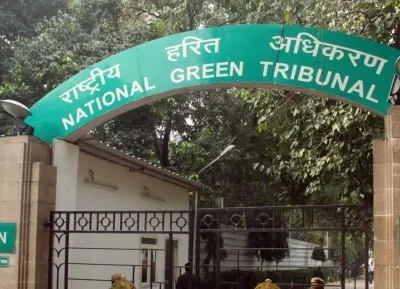
NGT orders fresh inspection of illegal dyeing units in Faridabad, Gurugram, Sonipat, Bahadurgarh
Synopsis
The NGT has escalated pressure on Haryana's pollution watchdog, ordering a district-wide sweep of illegal dyeing and jeans-washing units across four industrial hubs — including Faridabad, which had not yet been inspected. With environmental compensation ranging up to ₹73.60 lakh per unit and prosecution proceedings underway, the tribunal is signalling that partial compliance reports will no longer suffice.
Key Takeaways
The NGT directed the HSPCB to conduct fresh inspections of illegal dyeing and jeans-washing units in Faridabad , Gurugram , Sonipat , and Bahadurgarh on 9 November 2026 .
The HSPCB must file a comprehensive action-taken report within eight weeks .
Environmental compensation against identified units has been proposed at ₹3.90 lakh to ₹73.60 lakh per unit; prosecution proceedings are also being initiated.
In Bahadurgarh , multiple units have been sealed, machinery dismantled, and electricity connections permanently cut; in Sonipat , five jeans-washing units were sealed.
The cases concern alleged discharge of pollutants into the Najafgarh drain despite existing closure orders.
The next hearing is scheduled for 26 February 2027 .
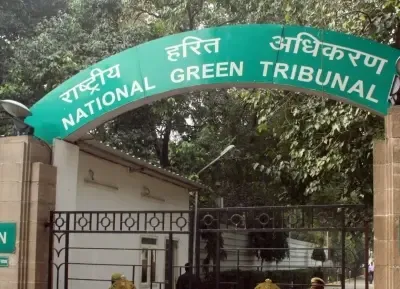
The National Green Tribunal (NGT) has directed the Haryana State Pollution Control Board (HSPCB) to conduct a fresh identification exercise targeting illegally operating dyeing and jeans-washing units across Faridabad, Gurugram, Sonipat, and Bahadurgarh, with a further action-taken report to be filed within eight weeks. The order was passed on 9 November 2026 amid ongoing allegations that red-category dyeing units have continued to discharge pollutants into the Najafgarh drain despite existing closure directions.
Background and What the Tribunal Heard
A Bench headed by NGT Chairperson Justice Prakash Shrivastava, and comprising Expert Members Dr A. Senthil Vel and Dr Afroz Ahmad, was hearing two consolidated matters relating to the alleged illegal operation of red-category dyeing units and their continued discharge of effluents into the Najafgarh drain. The tribunal took on record status reports submitted by the HSPCB detailing inspections and enforcement action already taken in Gurugram, Bahadurgarh, and Sonipat.
District-Wise Enforcement Action So Far
In Gurugram, the HSPCB's status report revealed that several units were found operating without valid consent, with closure orders issued against some of them. Certain establishments had been dismantled, while electricity connections of others had been disconnected. In several cases, closure proceedings were still underway at the time of filing.
In Bahadurgarh, multiple jeans-dyeing and washing units had been sealed, their plant and machinery dismantled, and electricity connections permanently disconnected. The board further disclosed it was processing environmental compensation against the identified units, with proposed penalties ranging from ₹3.90 lakh to ₹73.60 lakh per unit. Prosecution proceedings against both the units and the persons responsible for their operation were also being initiated.
In Sonipat, the report listed five jeans-washing units that had been sealed, while closure action had been recommended against at least one additional unit.
What the NGT Has Now Directed
During the hearing, counsel for the HSPCB submitted that the board would undertake a further identification exercise covering all the districts concerned. Recording this submission, the Justice Shrivastava-led Bench formally directed the HSPCB to file a comprehensive action-taken report within eight weeks. Separately, counsel for the applicant sought a fresh inspection specifically in Faridabad, and the tribunal directed the HSPCB to include Faridabad within the same exercise and timeline.
Next Hearing and What to Watch
The matters have been listed for further hearing on 26 February 2027. The Najafgarh drain, which flows into the Yamuna, has been a persistent focal point of environmental litigation, with industrial effluent discharge from the National Capital Region's periphery repeatedly flagged as a key contamination source. This latest directive signals the tribunal's intent to maintain pressure on enforcement agencies rather than accept piecemeal compliance reports.
Point of View
Only flagged by the applicant's counsel, raises questions about whether the HSPCB's enforcement is reactive rather than systematic. The Najafgarh drain's chronic contamination has been before various courts and tribunals for years, yet illegal units appear to reconstitute themselves after every crackdown. Without a real-time effluent monitoring mechanism tied to electricity supply and consent databases, the enforcement cycle risks being perpetual rather than curative.
NationPress
9 Nov 2026
Frequently Asked Questions
What has the NGT ordered regarding illegal dyeing units in Haryana?
The NGT has directed the HSPCB to conduct a fresh identification and inspection exercise covering illegally operating dyeing and jeans-washing units in Faridabad, Gurugram, Sonipat, and Bahadurgarh, and to submit an action-taken report within eight weeks. The order was issued on 9 November 2026 by a Bench led by NGT Chairperson Justice Prakash Shrivastava.
Why is the NGT scrutinising these dyeing units?
The tribunal is hearing allegations that red-category dyeing units have been operating illegally and discharging pollutants into the Najafgarh drain despite earlier closure directions. The drain flows into the Yamuna, making industrial effluent contamination a matter of significant environmental concern for the wider National Capital Region.
What enforcement action has already been taken against these units?
In Bahadurgarh, multiple jeans-dyeing and washing units have been sealed, their machinery dismantled, and electricity connections permanently cut. In Gurugram, closure orders have been issued against several units found operating without valid consent, while in Sonipat, five jeans-washing units have been sealed. Environmental compensation ranging from ₹3.90 lakh to ₹73.60 lakh per unit is being processed.
When is the next hearing in this matter?
The NGT has listed the cases for further hearing on 26 February 2027, by which time the HSPCB is expected to have filed its comprehensive action-taken report covering all four districts.
What is the significance of the Najafgarh drain in this case?
The Najafgarh drain is one of the largest drains feeding into the Yamuna river, and illegal industrial effluent discharge into it has been a recurring environmental litigation issue. The dyeing units under scrutiny are accused of contributing to its contamination despite court and tribunal-mandated closure orders.