NGT directs RSPCB to file action report on Alwar groundwater crisis
Synopsis
A scientific study by the National Institute of Hydrology has confirmed severe groundwater contamination in Rajasthan's RIICO industrial zones of Keshwana and Sotanala — and warned the pollution plume could reach Behror next. The NGT has now put the RSPCB on notice to name the responsible industries and show what remediation has actually been done.
Key Takeaways
The NGT Bhopal Central Zone Bench ordered the RSPCB to submit a detailed action taken report on 24 May 2025 .
Groundwater in RIICO industrial areas of Keshwana and Sotanala, Alwar is confirmed severely contaminated , according to an NIH, Roorkee study.
The contamination is allegedly caused by pesticide residues discharged from industries in the RIICO zones.
The NIH warned the contamination plume may spread to the RIICO Behror industrial area , raising wider public health concerns.
The RSPCB has been directed to identify responsible industries and implement scientific groundwater remediation and rainwater harvesting measures.
The next hearing is scheduled for 19 August .
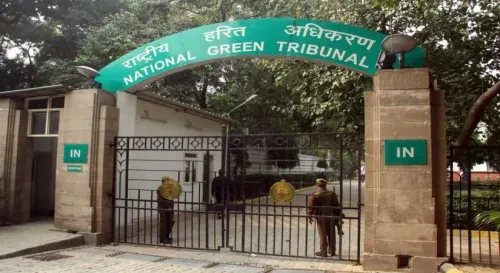
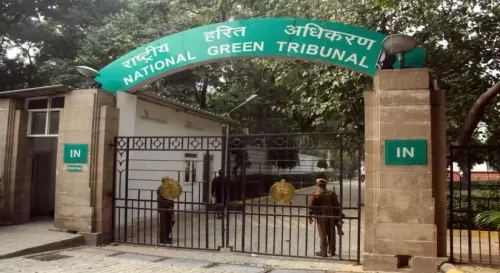
The Bhopal Central Zone Bench of the National Green Tribunal (NGT) has directed the Rajasthan State Pollution Control Board (RSPCB) to submit a detailed action taken report on severe groundwater contamination in and around the RIICO Industrial Area in Sotanala, Alwar, Rajasthan. The order came during a hearing on Saturday, 24 May, before a bench comprising Justice Sheo Kumar Singh, Judicial Member, and Sudhir Kumar Chaturvedi, Expert Member.
Background of the Case
The matter arose from an original application filed by M/s Dhansa Labs Limited (formerly Ambey Laboratories Ltd.) against the Rajasthan State Pollution Control Board and others. The application raises serious concerns over groundwater pollution allegedly caused by pesticide residues discharged from industries operating in the RIICO industrial areas of Sotanala and adjoining regions.
Key Findings of the NIH Study
During the proceedings, the Tribunal examined findings from a scientific study commissioned by the RSPCB and conducted by the National Institute of Hydrology (NIH), Roorkee. The NIH report confirmed that groundwater in the RIICO industrial areas of Keshwana and Sotanala is severely contaminated. The study further warned that the contamination plume may gradually spread toward the RIICO industrial area of Behror, potentially compounding environmental and public health risks in the region. Deteriorating groundwater quality, the report noted, could have adverse impacts on human health.
What the Tribunal Has Ordered
Taking the findings seriously, the NGT directed the RSPCB to identify the industries actually responsible for the contamination, place on record the remedial and corrective measures undertaken so far, and ensure further action in line with the NIH report's recommendations. Those recommendations include scientific groundwater remediation and the implementation of rainwater harvesting systems — particularly rooftop rainwater harvesting structures — to restore groundwater quality and improve recharge.
What Happens Next
The Tribunal has listed the matter for its next hearing on 19 August. The RSPCB is expected to place its compliance report and details of industries held accountable before the bench by that date. This case adds to a growing docket of NGT interventions targeting industrial pollution of groundwater in Rajasthan's manufacturing corridors, and the Behror region's inclusion in the contamination risk zone signals that the crisis may be wider than currently documented.
Point of View
But compliance timelines routinely stretch across years while groundwater — once contaminated at this scale — does not wait. The August hearing will be a test of whether the RSPCB can produce names and corrective action, or whether this becomes another case where the report is thorough and the follow-through is not.
NationPress
22 Sept 2026
Frequently Asked Questions
What is the NGT Alwar groundwater contamination case about?
The case involves severe groundwater pollution allegedly caused by pesticide residues discharged from industries in the RIICO industrial areas of Sotanala and Keshwana in Alwar, Rajasthan. It was brought before the NGT by M/s Dhansa Labs Limited (formerly Ambey Laboratories Ltd.) against the Rajasthan State Pollution Control Board and others.
What did the National Institute of Hydrology find in its study?
The NIH, Roorkee, confirmed that groundwater in the RIICO industrial areas of Keshwana and Sotanala is severely contaminated. The study also warned that the contamination plume may spread toward the RIICO Behror industrial area, posing growing public health risks.
What has the NGT directed the RSPCB to do?
The NGT has directed the RSPCB to identify the industries responsible for the contamination, place on record all remedial and corrective measures taken so far, and ensure further action in accordance with the NIH report's recommendations, including scientific groundwater remediation and rainwater harvesting.
When is the next hearing in this case?
The NGT has listed the matter for its next hearing on 19 August, by which date the RSPCB is expected to submit its compliance and action taken report.
Which areas face the risk of further groundwater contamination?
Beyond the already-affected Keshwana and Sotanala RIICO zones, the NIH study warned that the contamination plume could gradually spread to the RIICO industrial area of Behror, potentially widening the environmental and health impact across Alwar district.