Dharam Talab in Bhilwara turns toxic: pond cordoned off, villagers on alert
Synopsis
A pond that has anchored faith, farming, and daily life in Jaswantpura for generations has been declared toxic after dead fish, birds, and livestock signalled something deeply wrong. With industrial discharge suspected and the village's only safe handpump now shut, Bhilwara's Dharam Talab crisis is a stark warning about the cost of delayed environmental accountability.
Key Takeaways
The Dharam Talab (Ghat pond) in Jaswantpura village, Bhilwara district, Rajasthan has been declared toxic and unfit for any use.
Dead fish, livestock deaths, and bird deaths first alerted villagers; water samples confirmed contamination by the Rajasthan State Pollution Control Board and PHED .
Authorities have imposed a one-kilometre restricted zone around the pond under Section 163 of the BNSS and shut down the village's only safe handpump.
Villagers suspect industrial discharge from a nearby unit is responsible; an official investigation is underway but the cause has not yet been confirmed.
Health teams are conducting door-to-door surveys; ORS, zinc, and chlorine tablets are being distributed.
No illness cases have been reported so far.
Environmentalist Babulal Jajoo has called for a high-level inquiry, warning that silent ecological damage may extend well beyond visible fish deaths.
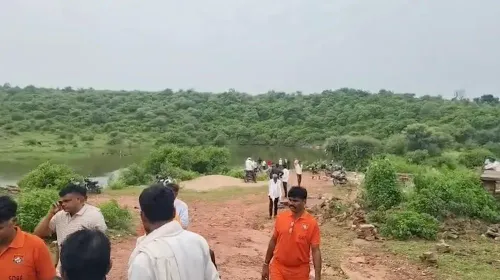
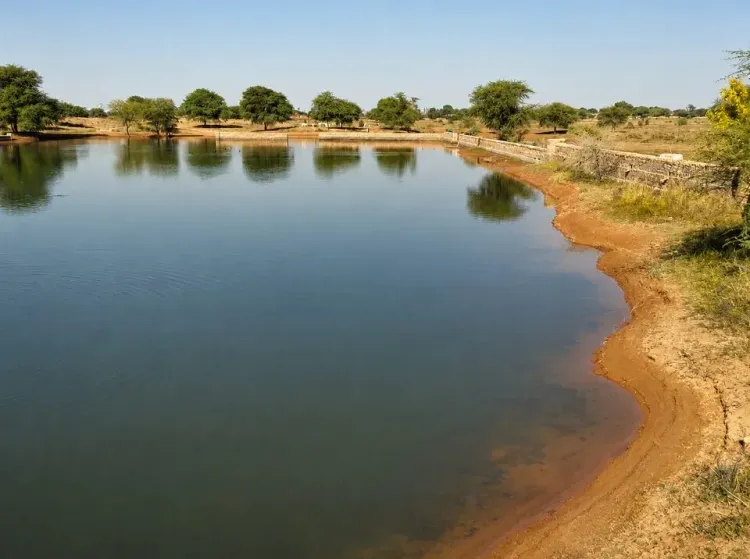
The Dharam Talab, a centuries-old pond at the centre of life in Jaswantpura village in Rajasthan's Bhilwara district, has been declared toxic and unfit for any use after water samples confirmed contamination, prompting local authorities to cordon off the waterbody and launch a public health response. The crisis, which surfaced around 17 June 2025, has left residents of Banera tehsil — about 35 km from Bhilwara — scrambling for alternative water sources.
How the Crisis Unfolded
The first warning signs came when villagers noticed large numbers of dead fish floating in the pond, also known locally as the Ghat pond. Reports soon followed of livestock and birds dying after contact with the water. What some initially dismissed as an isolated incident rapidly escalated into a public health emergency.
Following complaints from residents, authorities collected water samples and forwarded them for testing. Preliminary findings from the Rajasthan State Pollution Control Board and subsequent analysis by the Public Health Engineering Department (PHED) confirmed the water was contaminated, unsafe for consumption, and toxic.
What the Administration Has Done
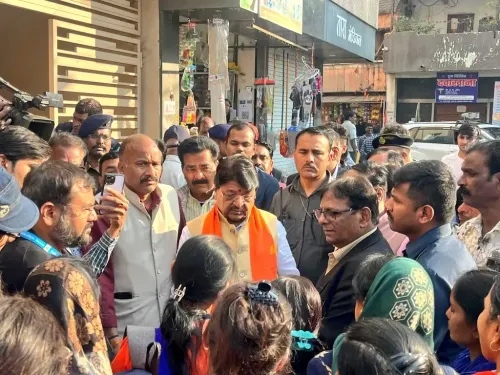
Banera Sub-Divisional Magistrate Babulal Verma said, 'The water quality has deteriorated significantly,' adding that restrictions were imposed as a precautionary measure. Authorities have prohibited the use of pond water for any purpose and declared a one-kilometre radius around the waterbody a restricted zone under Section 163 of the Bharatiya Nagarik Suraksha Sanhita (BNSS).
Public announcements are being made throughout the village, and warning boards have been erected to caution residents and visitors. Authorities have also shut down a nearby handpump — the village's only safe drinking water source — amid concerns that contamination may have spread to surrounding groundwater. Additional testing is underway to determine the full extent of the pollution.
Suspected Source and Environmental Concerns
Many villagers suspect that chemically contaminated discharge from a nearby industrial unit may have entered the pond. They claim concerns about pollution had been raised previously, but little action was taken. The Rajasthan State Pollution Control Board has launched a formal investigation into the source, though officials have not yet confirmed the cause.
Environmentalist Babulal Jajoo criticised the administration's response, arguing that action came only after visible ecological damage had already occurred. 'When fish die, it becomes visible. But in such situations, many other aquatic and terrestrial species may die silently,' he said, calling for a high-level inquiry and strict action against those found responsible.
Public Health Response on the Ground
Health teams comprising Auxiliary Nurse Midwives (ANMs), ASHA workers, and Anganwadi workers have been deployed across the village to conduct door-to-door surveys. Residents are being screened for symptoms of waterborne illnesses, and awareness campaigns are underway to discourage use of contaminated water. Health workers are distributing ORS packets, zinc tablets, and chlorine tablets to households. According to officials, no cases of illness linked to the contaminated water have been reported so far.
What the Pond Means to Jaswantpura
The Dharam Talab has for generations sustained livestock, supported agriculture, and served as a site of faith — villagers gather here every Diwali for the traditional Ghat Pujan ritual. 'This pond is the lifeline of our village,' residents said, expressing deep concern over the impact on livestock, farming, and daily life. Groups of residents are now taking turns monitoring the restricted zone to ensure neither people nor animals approach the water.
Until detailed test reports are received and the water is declared safe, authorities have urged strict compliance with restrictions. The investigation into what poisoned one of Jaswantpura's most vital and revered resources remains ongoing.
Point of View
The question is not just what poisoned the pond — it is why the warning system failed. Shutting a handpump after contamination has already spread to groundwater is reactive governance, not precautionary governance. Rajasthan has seen repeated conflicts between industrial units and rural water sources; without a credible, proactive monitoring framework for waterbodies near industrial clusters, Jaswantpura will not be the last village to lose its lifeline before anyone in authority notices.
NationPress
16 Sept 2026
Frequently Asked Questions
What happened to the Dharam Talab in Bhilwara's Jaswantpura village?
The Dharam Talab, also known as the Ghat pond, in Jaswantpura village, Bhilwara district, has been declared toxic and unfit for any use after water testing by the Rajasthan State Pollution Control Board and PHED confirmed contamination. Dead fish, livestock, and birds first alerted villagers, prompting authorities to cordon off the pond and impose a one-kilometre restricted zone.
What is suspected to have caused the pond contamination?
Many villagers suspect that chemically contaminated discharge from a nearby industrial unit entered the pond. However, the Rajasthan State Pollution Control Board's investigation is still ongoing and officials have not yet officially confirmed the source of contamination.
What restrictions have authorities imposed around the Dharam Talab?
Authorities have banned all use of the pond water and declared a one-kilometre radius around it a restricted zone under Section 163 of the Bharatiya Nagarik Suraksha Sanhita (BNSS). A nearby handpump — the village's only safe drinking water source — has also been shut down over fears of groundwater contamination.
Has anyone fallen ill due to the contaminated water in Jaswantpura?
According to officials, no cases of human illness linked to the contaminated water have been reported so far. Health teams including ANMs, ASHA workers, and Anganwadi workers are conducting door-to-door surveys and distributing ORS packets, zinc tablets, and chlorine tablets as a precaution.
Why is the Dharam Talab significant to Jaswantpura village?
The Dharam Talab has for generations served as the lifeline of Jaswantpura, sustaining livestock, supporting agriculture, and functioning as a site of religious faith — villagers gather at the pond every Diwali for the traditional Ghat Pujan ritual. Its contamination has disrupted both the daily life and cultural identity of the community.