Pulwama attack accused Insha Jan's bail rejected by NIA court in Jammu

Synopsis
More than five years after the Pulwama bombing killed 40 CRPF personnel, a Jammu NIA court has refused bail to Insha Jan — a woman accused of sheltering the suicide bomber and Pakistani handlers at her home. The ruling underscores how UAPA's strict bail bar continues to hold even as the trial crawls forward with 191 witnesses still to be examined.
Key Takeaways
A Special NIA court in Jammu rejected the bail application of Insha Jan , accused in the 2019 Pulwama attack , on 20 August .
Special Judge Prem Sagar cited prima facie evidence and the statutory bar under Section 43-D(5) of the UAPA as grounds for rejection.
Insha Jan has been in custody since 3 March 2020 — more than six years — and faces charges under the UAPA, RPC, Arms Act, and Explosive Substances Act.
The court dismissed arguments of trial delay and health grounds, though directed jail authorities to provide full medical care.
Only 49 of 240 prosecution witnesses have been examined so far, with the trial still ongoing.
The Pulwama attack on 14 February 2019 killed 40 CRPF personnel and brought India and Pakistan to the brink of war.
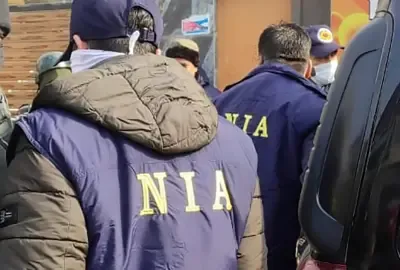
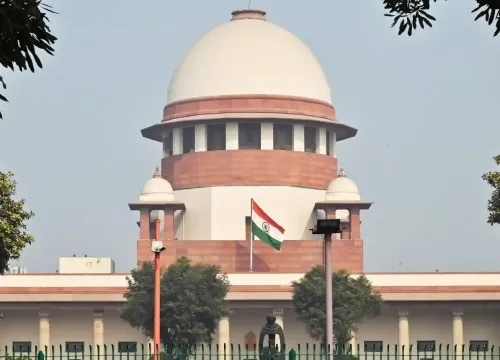
A Special National Investigation Agency (NIA) court in Jammu has rejected the bail application of Insha Jan, also known as Insha Tariq, an accused in the 2019 Pulwama suicide attack that killed 40 CRPF personnel. The 15-page order, delivered on 20 August by Special Judge Prem Sagar, held that sufficient material existed on record to presume the accusations against her were prima facie true.
Key Findings of the Court
Special Judge Prem Sagar ruled that the statutory bar under Section 43-D(5) of the Unlawful Activities (Prevention) Act (UAPA) operated against the accused and prevented her release on bail at this stage. The court found reasonable grounds to believe the accusations were prima facie true, after reviewing the case diary and chargesheet.
The court also dismissed delay in trial as a sufficient ground for bail, noting that witnesses were still being examined. 'If the applicant is released on bail, there is every likelihood that she will influence the key witnesses which might hamper the process of justice,' the judge said.
Who Is Insha Jan and What Is She Accused Of
Insha Jan, a resident of Harkipora village in south Kashmir's Pulwama district, was arrested on 3 March 2020 along with her father, Peer Tariq Ahmad Shah. She faces trial on charges under the Ranbir Penal Code (RPC), the UAPA, the Arms Act, and the Explosive Substances Act. Charges were formally framed against her on 10 December 2022.
According to the NIA chargesheet, she was allegedly involved in the terror conspiracy and remained in constant contact with Pakistani terrorist Muhammad Umar Farooq, who, along with another Pakistani terrorist Mohd. Kamran Ali, was involved in planning the Pulwama attack before both were eliminated in separate encounters by security forces. She is also accused of providing food, shelter, and logistical support to the two terrorists and other Jaish-e-Mohammed (JeM) operatives.
Notably, a video of suicide bomber Adil Ahmad Dar — which circulated widely after the 14 February 2019 attack — was allegedly recorded at her house on 28 and 29 January 2019.
What the Defence Argued
The defence relied principally on the accused's prolonged incarceration of more than six years, alleged delay in trial, and her health condition. It pointed out that only 49 of 240 prosecution witnesses had been examined, arguing that at the existing pace, the trial could continue for many more years.
The defence also contended that no incriminating material had been recovered from her and that examined witnesses had not directly or indirectly connected her to the offences. Additionally, it submitted that she was suffering from chronic dermatological problems, cervical spondylosis, and chronic headaches requiring specialised medical treatment.
NIA's Rebuttal and Court's Ruling on Health
The NIA opposed the bail plea, describing the accused as 'a highly motivated terror aide involved in a grave and serious offence.' The agency cited WhatsApp calls, voice notes, and photographs recovered from Farooq's mobile phone after his killing as key evidence of communications between the two.
The court rejected the health argument, stating that the accused's conditions were 'not life-threatening' and did not warrant urgent relief, though it directed jail authorities to ensure all necessary medical care. The court clarified that its observations while deciding the bail plea would not affect the merits of the main criminal trial.
Background: The Pulwama Attack and Its Aftermath
The Pulwama terror attack of 14 February 2019 killed 40 CRPF personnel in one of the deadliest strikes on Indian security forces in decades, bringing India and Pakistan to the brink of war. Indian armed forces subsequently struck terror infrastructure in Balakot, deep inside Pakistani territory. The NIA has been conducting the trial of multiple accused linked to the conspiracy since then, with proceedings still ongoing.
Point of View
The pace raises genuine questions about the justice system's capacity to deliver timely verdicts in complex terror cases. The defence's argument — that delay itself should justify bail — has been repeatedly rejected by Indian courts in UAPA matters, but the slow trial clock remains a structural problem that no single bail order can resolve. The Pulwama case, given its geopolitical weight, will continue to be watched as a test of both prosecutorial rigour and judicial efficiency.
NationPress
6 Oct 2026
Frequently Asked Questions
Why was Insha Jan's bail rejected by the NIA court?
The Special NIA court in Jammu rejected Insha Jan's bail on 20 August, finding sufficient prima facie evidence against her and holding that the statutory bar under Section 43-D(5) of the UAPA prevented her release at this stage. The court also ruled that releasing her could lead to witness tampering in the ongoing trial.
What is Insha Jan accused of in the Pulwama attack case?
According to the NIA chargesheet, Insha Jan allegedly provided food, shelter, and logistical support to Pakistani terrorists Muhammad Umar Farooq and Mohd. Kamran Ali, who planned the Pulwama attack. The viral video of suicide bomber Adil Ahmad Dar was also allegedly recorded at her house in January 2019.
How long has Insha Jan been in custody?
Insha Jan has been in custody since 3 March 2020 — over six years. Her defence argued that this prolonged incarceration, combined with slow trial progress, justified bail, but the court rejected this argument.
What is Section 43-D(5) of the UAPA and why does it matter?
Section 43-D(5) of the Unlawful Activities (Prevention) Act mandates that an accused in custody under certain chapters of the Act cannot be released on bail if the court finds reasonable grounds to believe the accusations are prima facie true. It effectively sets a high bar for bail in terror-related cases and was central to the court's rejection of Insha Jan's plea.
What is the current status of the Pulwama attack trial?
The trial is ongoing before the Special NIA court in Jammu. As of the bail order, only 49 of 240 prosecution witnesses have been examined. The defence has argued that at the current pace, the trial could continue for many more years.