North Korea WPK plenary meeting set for late June 2026
Synopsis
North Korea has called a Workers' Party plenary for late June — a routine mid-year review that is anything but routine this time. With speculation swirling over a possible Xi Jinping visit to Pyongyang and potential mediation between Kim Jong Un and Donald Trump, the session could carry outsized diplomatic weight for the Korean peninsula and beyond.
Key Takeaways
North Korea will hold the second plenary of the ninth WPK central committee in late June 2026 .
The meeting will review party and state policy implementation for 2026 and set the second-half agenda.
Chinese President Xi Jinping is reportedly considering a visit to Pyongyang as early as next week, with potential mediation between Kim Jong Un and Donald Trump on the table, according to South Korean officials.
The session follows the ninth party congress of late February 2026 , after which North Korea revised its constitution to remove all references to unification with South Korea .
Whether Pyongyang will signal a policy shift toward Seoul or Washington at the June meeting remains uncertain.
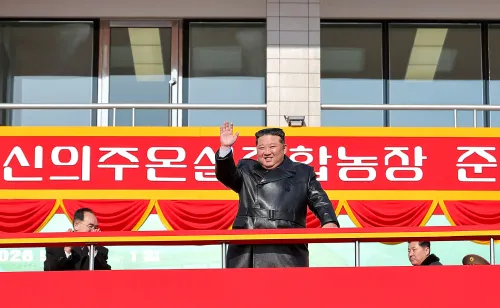
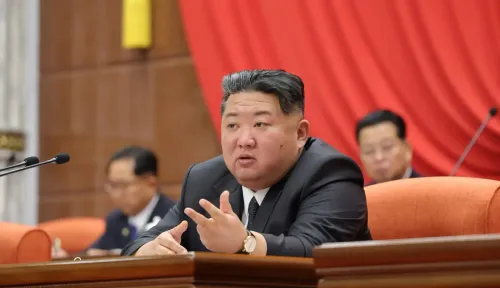
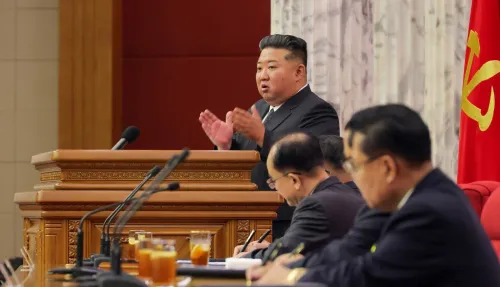
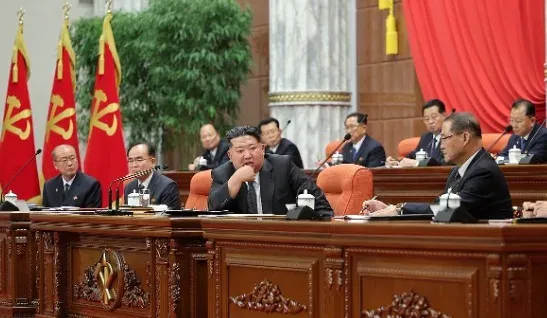
North Korea will convene the second plenary meeting of the ninth central committee of the ruling Workers' Party of Korea (WPK) in late June 2026, state media confirmed on Monday, 25 May. The gathering will serve as an interim review of party and state policy implementation for the year, with discussions on second-half priorities also on the agenda.
What the Meeting Will Cover
According to the Korean Central News Agency (KCNA), the WPK's political bureau formally decided to hold the session 'in order to have an interim review of the implementation of the party and state policies for 2026 and discuss the work in the second half of the year and a series of important issues.' No further specifics were provided by state media.
The meeting follows a now-established pattern: Pyongyang has regularly held plenary sessions at the close of June and December, while also convening extraordinary sittings when pressing issues arise.
The Broader Diplomatic Context
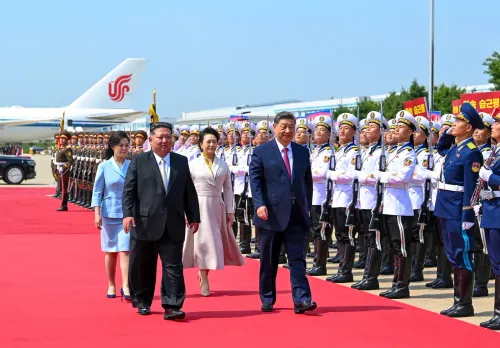
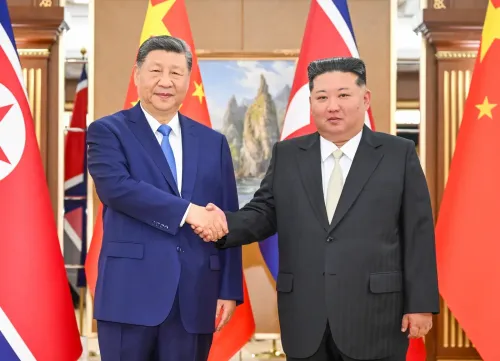
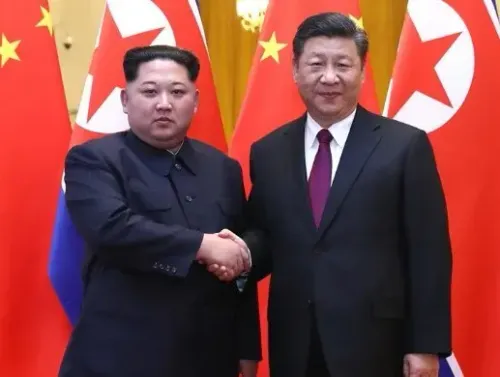
The announcement arrives at a delicate moment in regional diplomacy. Speculation is mounting that Chinese President Xi Jinping may visit North Korea as early as next week, with reports suggesting he could attempt to act as a mediator between North Korean leader Kim Jong Un and US President Donald Trump, according to South Korea's Yonhap news agency, citing a senior government official.
Whether Pyongyang will use the June plenary to signal a shift in its policy posture toward South Korea or the United States remains unclear. Analysts and regional observers are watching the session closely for any indication of movement on inter-Korean relations or denuclearisation talks.
Follow-Up to the Ninth Party Congress
The planned session is also expected to advance implementation of decisions adopted at the ninth party congress held in late February 2026. In the month following that congress, North Korea revised its constitution to include a new territorial clause — defining its territory as the land bordering China and Russia to the north and South Korea to the south — while simultaneously removing all references to unification with the South. The constitutional change marked a significant hardening of Pyongyang's formal position on the peninsula's political future.
What to Watch
The late-June plenary will be closely monitored for any formal policy announcements on military posture, economic targets, or diplomatic engagement. A potential Xi Jinping visit to Pyongyang before the meeting could shape the tone of deliberations and add an international dimension that goes beyond routine mid-year reviews. The session's outcomes may offer the clearest signal yet of North Korea's strategic direction for the remainder of 2026.
Point of View
But the constitutional removal of unification language in March — combined with swirling reports of a Xi Jinping mediation visit — suggests the party apparatus is preparing to ratify, or at least signal, a significant strategic posture. The real question is whether Kim Jong Un uses the June session to lock in a diplomatic opening with Washington or to double down on the hardline territorial framing. Either outcome would reshape the peninsula's calculus for the rest of the year, and Beijing's reported involvement means the stakes extend well beyond bilateral Korea-US dynamics.
NationPress
10 Oct 2026
Frequently Asked Questions
What is the North Korea WPK plenary meeting scheduled for late June 2026?
It is the second plenary session of the ninth central committee of North Korea's ruling Workers' Party of Korea, called to conduct a mid-year review of party and state policy implementation for 2026 and to discuss priorities for the second half of the year.
Why is the June 2026 WPK plenary significant?
The meeting comes amid speculation that Chinese President Xi Jinping may visit Pyongyang to mediate between Kim Jong Un and US President Donald Trump, potentially giving the session unusual diplomatic weight beyond its routine policy-review function.
What decisions came out of the ninth party congress in February 2026?
The ninth party congress, held in late February 2026, produced decisions that North Korea is now seeking to implement. The following month, Pyongyang revised its constitution to add a territorial clause and removed all references to unification with South Korea.
How often does North Korea hold Workers' Party plenary meetings?
North Korea has in recent years held plenary meetings regularly at the end of June and December, while also convening additional sessions when important issues require urgent discussion.
What role might China play ahead of the WPK plenary?
According to South Korea's Yonhap news agency, citing a senior government official, President Xi Jinping may visit North Korea as early as the week of 25 May 2026 and attempt to act as a mediator between Kim Jong Un and US President Donald Trump before or around the time of the June plenary.