Odisha Governor urges preservation of tribal languages on Janjatiya Gaurav Divas
Synopsis
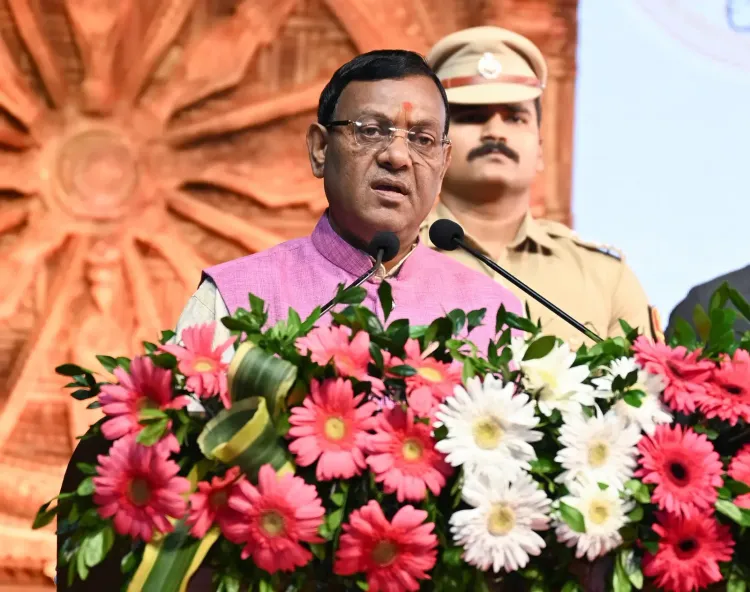
On Janjatiya Gaurav Divas and Bhagwan Birsa Munda's 151st birth anniversary, Odisha Governor Brajmohan Ram used the All India Tribal Writers' Meet to issue a wide-ranging call — to writers, institutions, and tribal youth alike — to safeguard languages and knowledge systems that mainstream India has long marginalised.
Key Takeaways
Odisha Governor Brajmohan Ram addressed the All India Tribal Writers' Meet at Rabindra Mandap, Bhubaneswar on 15 November 2026 .
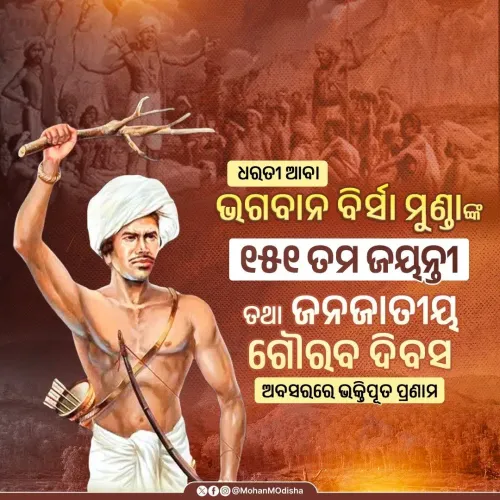
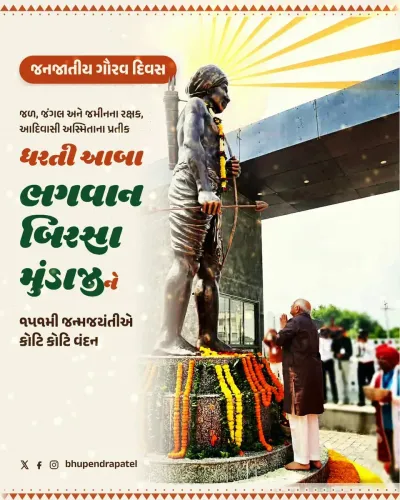
The event marked Janjatiya Gaurav Divas and the 151st birth anniversary of Bhagwan Birsa Munda .
The Governor described documenting and protecting tribal heritage — through folk songs, stories, and proverbs — as a 'collective responsibility.' He pointed to tribal communities' reverence for Jal, Jangal, and Zameen as a model for tackling climate and environmental challenges.
Ram called on the Sahitya Akademi , universities, and publishers to promote translation and research in tribal languages from Odisha , Jharkhand , the Northeast , and Central India .
He linked meaningful development under Viksit Bharat by 2047 to tribal communities becoming equal partners while retaining their cultural identity.
Odisha Governor Brajmohan Ram on Sunday, 15 November 2026, called for urgent action to preserve and promote tribal literature, languages, and traditional knowledge, describing them as indispensable pillars of India's diverse cultural heritage. He was speaking at the inaugural session of the All India Tribal Writers' Meet held at Rabindra Mandap, Bhubaneswar.
The occasion and its significance
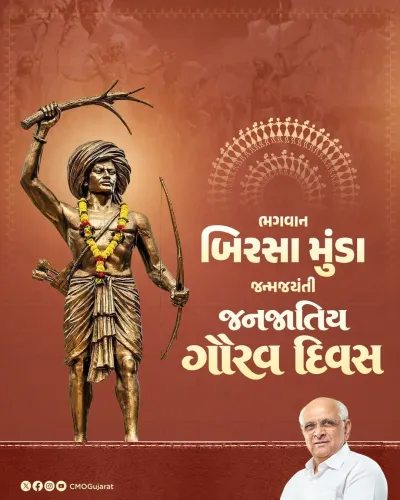
The event was jointly organised by the Sahitya Akademi and the Odisha Sahitya Academy to mark Janjatiya Gaurav Divas and the 151st birth anniversary of Bhagwan Birsa Munda. Governor Ram paid tribute to Birsa Munda, noting that the declaration of 15 November as Janjatiya Gaurav Divas in 2021 was a landmark step in recognising the contributions and sacrifices of tribal communities across India.
He emphasised that India's freedom struggle and the broader story of nation-building could not be fully understood without acknowledging the central role played by tribal heroes throughout history.
What the Governor said on tribal literature
'Tribal communities have preserved their history, culture and traditional knowledge through folk songs, stories and proverbs, passing them down through generations. Documenting and protecting this rich heritage is a collective responsibility,' Governor Ram said.
He stressed that tribal literature reflects the lived history, traditions, experiences, and worldview of tribal communities — enriching India's literary and cultural landscape in ways that formal, urban-centric narratives often overlook. He urged tribal writers to tell the stories of their communities in their own voices, covering struggles, achievements, aspirations, and traditions.
Odisha's tribal heritage in focus
Highlighting Odisha's rich tribal legacy, the Governor noted that every tribal community possesses its own language, folk songs, customs, and way of life. He pointed to the Mahendragiri hills and the Eastern Ghats as vital centres of tribal life, faith, and traditional knowledge.
Ram also drew attention to the deep cultural links between nature worship, Daru Devata, and Lord Jagannath in Odisha's traditions — an interweaving of tribal and mainstream religious heritage that is unique to the region.
Climate, development, and the path ahead
The Governor argued that tribal communities' close relationship with nature — their reverence for Jal, Jangal, and Zameen (water, forest, and land) — holds valuable lessons for addressing contemporary climate change and environmental challenges.
Connecting tribal welfare to national development goals, Ram said progress under Viksit Bharat by 2047 and Viksit Odisha by 2036 would be meaningful only when tribal communities become equal partners in the process, while retaining their cultural identity and traditions.
Call to institutions and tribal youth
Ram called upon the Sahitya Akademi, universities, research institutions, and publishers to actively promote writing, research, publication, and translation in tribal languages. He said literature emerging from Odisha, Jharkhand, the Northeast, and Central India should reach readers across the country and beyond its borders.
He also urged tribal youth to embrace modern education and technology without losing their connection to mother tongues and cultural roots — framing the challenge not as a choice between tradition and modernity, but as a navigation of both.
Point of View
Yet dozens of such languages remain undocumented and endangered. The connection drawn between traditional ecological knowledge and climate policy is the most substantive angle here: tribal land-use wisdom has been cited in IPCC reports, yet it remains outside mainstream environmental policymaking. The Viksit Bharat framing risks becoming a rhetorical wrapper unless tribal development indices — literacy, land rights, health — are tracked separately and transparently.
NationPress
15 Nov 2026
Frequently Asked Questions
What is Janjatiya Gaurav Divas and why is it observed on 15 November?
Janjatiya Gaurav Divas is a national day observed on 15 November to honour the contributions and sacrifices of tribal communities across India. The date was chosen because it coincides with the birth anniversary of Bhagwan Birsa Munda, the revered tribal freedom fighter, and was officially declared in 2021.
What was the All India Tribal Writers' Meet in Bhubaneswar?
The All India Tribal Writers' Meet is an event jointly organised by the Sahitya Akademi and the Odisha Sahitya Academy to bring together tribal writers from across the country. The 2026 edition was held at Rabindra Mandap, Bhubaneswar, to mark Janjatiya Gaurav Divas and the 151st birth anniversary of Bhagwan Birsa Munda.
What did Odisha Governor Brajmohan Ram call for at the event?
Governor Ram called for the documentation, preservation, and promotion of tribal languages, literature, and traditional knowledge. He urged the Sahitya Akademi, universities, research institutions, and publishers to invest in writing, research, publication, and translation in tribal languages, and asked tribal writers to tell their communities' stories in their own voices.
How did the Governor connect tribal knowledge to climate change?
Governor Ram argued that tribal communities' deep respect for Jal, Jangal, and Zameen — water, forest, and land — offers practical lessons for addressing contemporary climate and environmental challenges. He framed traditional ecological knowledge not as folklore but as a resource with real-world relevance.
What is the significance of Bhagwan Birsa Munda's 151st birth anniversary?
Bhagwan Birsa Munda is a revered tribal leader and freedom fighter from Jharkhand who led the Ulgulan (rebellion) against British colonial rule and feudal oppression in the late 19th century. His 151st birth anniversary on 15 November 2026 was observed nationally as Janjatiya Gaurav Divas, underscoring the government's stated commitment to recognising tribal contributions to India's history.