Odisha launches KG-to-PG free education scheme 'Gyanodaya', a first in India
Synopsis
Odisha has become the first Indian state to formally launch a KG-to-PG free education scheme, with guidelines released on 14 July covering government and aided colleges. The 'Gyanodaya' initiative targets a GER of 60 per cent by 2036, directly taking on the state's dropout crisis — but professional and self-financed courses remain excluded.
Key Takeaways
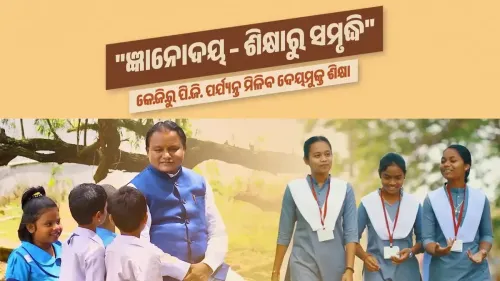
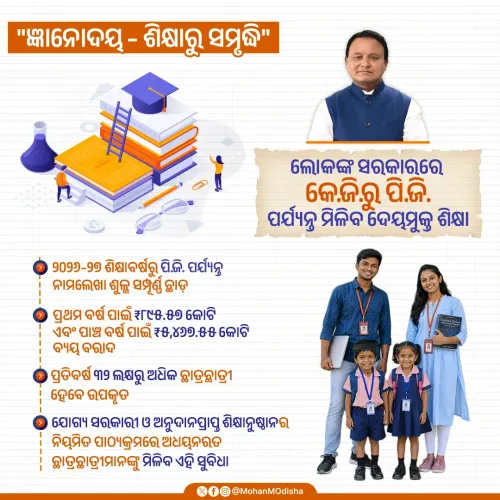
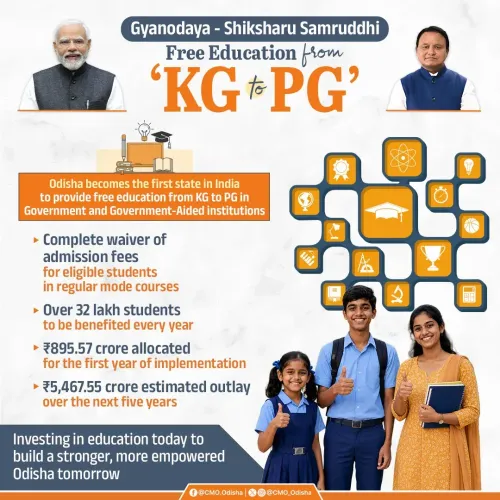
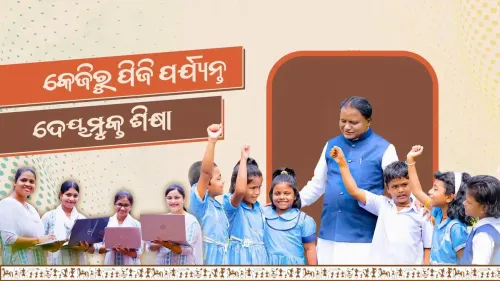
Odisha became the first state in India to implement a KG-to-PG free education scheme under 'Gyanodaya – Shikshya Ru Samruddhi' .
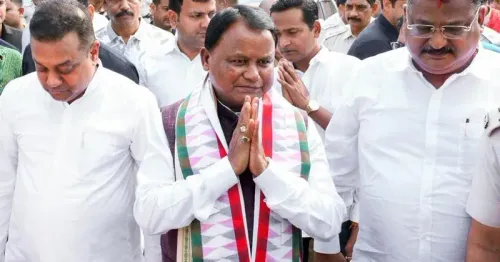
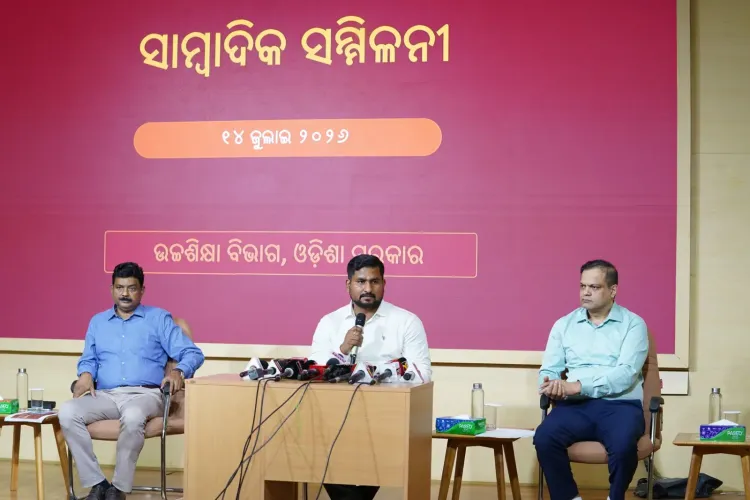
Guidelines were released by Higher Education Minister Suryabanshi Suraj on 14 July in Bhubaneswar .
The scheme covers students at State Public Universities , Government Colleges , and aided colleges under the 488 and 662 grant-in-aid categories.
Admission through the SAMS portal and a minimum 75 per cent attendance are mandatory to avail benefits.
The scheme targets raising Odisha's GER to 60 per cent as envisaged under Odisha Vision 2036 and Vision 2047 .
Professional courses such as MBA, MCA, B.Ed., LL.B. and unaided private institutions are excluded from the scheme.
Odisha Higher Education Minister Suryabanshi Suraj on Tuesday, 14 July released the implementation guidelines for 'Gyanodaya – Shikshya Ru Samruddhi', a state flagship scheme offering free education from kindergarten (KG) through postgraduate (PG) level — making Odisha the first state in the country to roll out such a comprehensive fee-waiver programme.
What Prompted the Scheme
Addressing a press conference in Bhubaneswar, Minister Suraj cited a cluster of structural concerns that drove the initiative: a rising dropout rate, Odisha's Gross Enrolment Ratio (GER) trailing the national average, and the state's inability to retain students through higher education. 'One conclusion that emerged was that higher education should be made accessible to all,' Suraj said. 'The main objective behind the initiative to make education free from KG to PG is to ensure that no one is deprived of basic higher education,' he added.
Who Is Eligible and What Is Covered
Under the scheme, students admitted to regular undergraduate (UG) and postgraduate (PG) programmes at State Public Universities, Government Colleges, and non-government aided colleges under the 488 and 662 grant-in-aid categories are fully exempt from fees. The state government will absorb admission and readmission fees, development fees, and other charges collected at the time of admission.
Notably, students will still be required to pay examination fees — a deliberate design choice, the minister explained, to preserve academic seriousness. The benefit is available only once per student, applicable to either their first UG or first PG admission, not both.
Key Conditions and Exclusions
To access the scheme, students must secure admission through the Student Academic Management System (SAMS) portal and maintain a minimum 75 per cent attendance. In exceptional circumstances, this threshold may be relaxed to 65 per cent. The scheme does not extend to self-financing courses, unaided private institutions, distance and open learning programmes, or professional courses such as MBA, MCA, BBA, BCA, B.Ed., LL.B., LL.M., and similar programmes.
A fee regulation safeguard has also been introduced: institutions cannot revise admission-related fees without prior approval from the State Fee Regulation Committee, and only the fee structure uploaded on the SAMS portal before the admission cycle will be considered for reimbursement.
Alignment with NEP 2020 and Vision 2036
The Higher Education Department has framed Gyanodaya as a structural response to the National Education Policy (NEP) 2020, which emphasises equitable access and reduced dropout rates. Minister Suraj expressed confidence that the scheme would help lift Odisha's GER to 60 per cent, a target set under both Odisha Vision 2036 and Vision 2047. The guidelines will be circulated to all educational institutions under the Higher Education Department across the state.
Broader Significance
The announcement positions Odisha as a pioneer in universal public higher education access, coming at a time when several states are debating tuition fee structures amid post-pandemic enrolment pressures. This is the first time any Indian state has formally codified a KG-to-PG free education framework with explicit eligibility rules, exclusion criteria, and a fee regulation mechanism. Whether the model proves replicable will depend heavily on fiscal absorption capacity and implementation fidelity at the institutional level.
Point of View
But its real test lies in fiscal sustainability and institutional compliance — not the headline announcement. The exclusion of professional courses and unaided colleges means a significant cohort of aspirational students remains outside the net, precisely the segment most likely to drop out under financial pressure. The attendance floor and one-time benefit rule are sensible guardrails, but the scheme's GER target of 60 per cent will require parallel investment in faculty, infrastructure, and placement outcomes — none of which a fee waiver alone can deliver. Other states will be watching, but replication will hinge on whether Odisha can demonstrate measurable GER movement within two academic cycles.
NationPress
13 Oct 2026
Frequently Asked Questions
What is the Odisha 'Gyanodaya' free education scheme?
'Gyanodaya – Shikshya Ru Samruddhi' is a flagship initiative by the Odisha government that offers free education from kindergarten through postgraduate level at government and aided colleges. Launched on 14 July, it is described as the first KG-to-PG free education scheme by any Indian state.
Who is eligible for the Gyanodaya scheme in Odisha?
Students admitted to regular UG and PG programmes at State Public Universities, Government Colleges, and non-government aided colleges under the 488 and 662 grant-in-aid categories are eligible. They must secure admission via the SAMS portal and maintain at least 75 per cent attendance.
What courses are excluded from the Gyanodaya scheme?
The scheme does not cover self-financing courses, unaided private institutions, distance and open learning programmes, or professional courses such as MBA, MCA, BBA, BCA, B.Ed., LL.B., and LL.M. Examination fees also remain payable by students under all categories.
What is Odisha's target GER and how does Gyanodaya help?
Odisha aims to raise its Gross Enrolment Ratio (GER) to 60 per cent, as set under Odisha Vision 2036 and Vision 2047. The Gyanodaya scheme is designed to reduce financial dropout barriers, improve student retention, and bring the state's GER in line with the national average.
Can students avail the Gyanodaya benefit more than once?
No. The fee waiver benefit is available only once — for a student's first admission to either an undergraduate or a postgraduate programme, not both. The scheme is designed as a one-time financial support per student per level of study.