Odisha CMO Announces Free Education from KG to PG
Synopsis
The Chief Minister's Office of Odisha on June 13, 2026 announced free education across the full KG-to-PG continuum, calling it a historic leap. The move aligns with NEP 2020 goals and could benefit millions of students, especially from low-income households, if backed by adequate budget allocations.
Key Takeaways
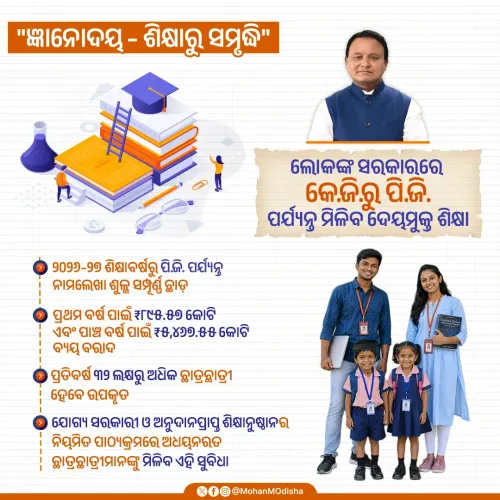
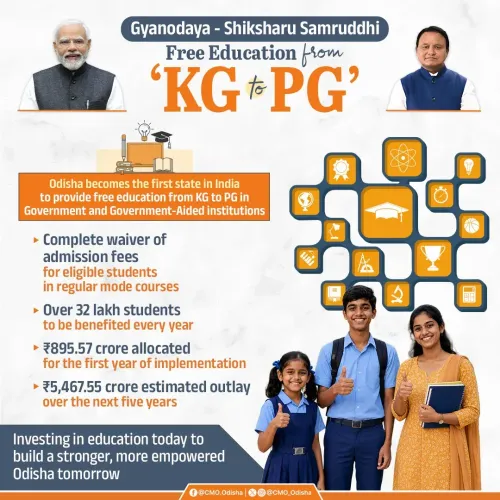
The Chief Minister's Office of Odisha announced free education from kindergarten to postgraduate level on June 13, 2026 .
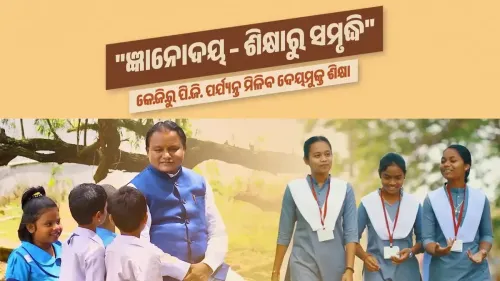
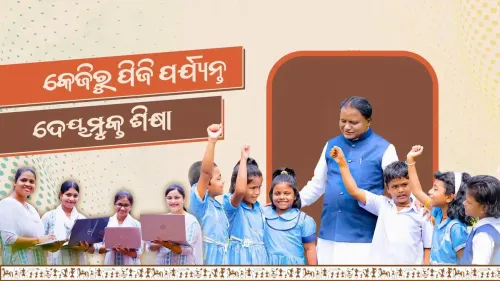
The policy is described as 'A Historic Leap' and covers the full education continuum — KG to PG .
Primary beneficiaries include students from low-income households , first-generation learners, girls, and SC/ST communities.
The announcement aligns with the National Education Policy 2020 targets for higher Gross Enrollment Ratios.
Detailed eligibility rules, funding sources, and implementation guidelines are yet to be formally notified.
State budget allocations and infrastructure capacity will determine the policy's effective reach and timeline.
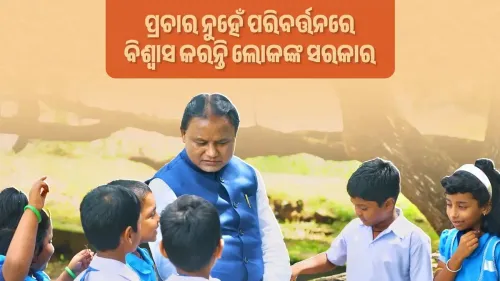
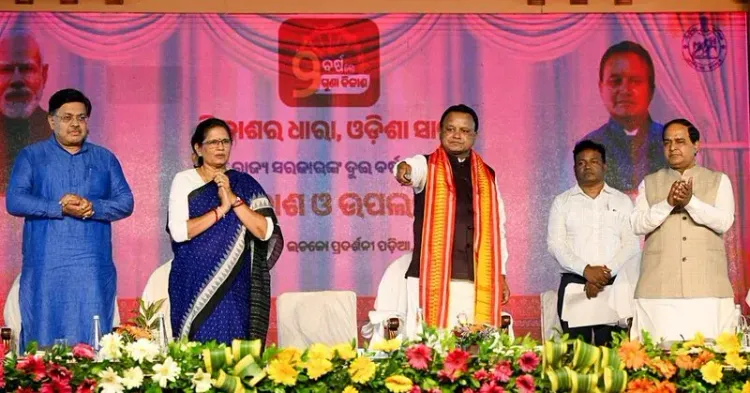
The Chief Minister's Office of Odisha on Saturday, June 13, 2026, announced a landmark education policy — free education for all students in the state from kindergarten through postgraduate level, describing it as 'A Historic Leap' for Odisha.
Context
The announcement, made via the official CMO Odisha account on X, signals that the state government intends to eliminate tuition and fee barriers across the entire education continuum — from pre-primary schooling to university-level postgraduate programmes. The post, captioned 'A Historic Leap: Odisha Announces Free Education from KG to PG,' is among the most sweeping education access commitments any Indian state has publicly declared in recent years.
If implemented as announced, the policy would cover millions of students across Odisha's government-run schools and colleges, directly benefiting children from low-income households who have historically faced the highest dropout rates at transition points — particularly at the secondary-to-college and undergraduate-to-postgraduate stages.
Policy Backdrop
The announcement aligns with the spirit of the National Education Policy (NEP) 2020, the central government's framework that calls for universal access, equity, and integration across all levels of education — from pre-primary through higher education. NEP 2020 set ambitious targets for improving Gross Enrollment Ratios (GER) at both school and higher education levels, and state-level fee waivers are among the most direct instruments to achieve those targets.
Across India, several states have progressively introduced fee waivers, scholarship schemes, and free-textbook programmes at the primary and secondary levels. Odisha's step, however, extends this approach to the full KG-to-PG spectrum in a single policy move — a more comprehensive commitment than most state-level precedents. Odisha has in recent years invested in expanding school infrastructure and raising literacy indicators, and this announcement represents a significant escalation of that trajectory.
Stakeholders and Impact
The primary beneficiaries would be students enrolled in state government institutions — from anganwadi and KG centres at the base to state universities and affiliated postgraduate colleges at the top. Low-income families, first-generation learners, girls, and students from Scheduled Caste and Scheduled Tribe communities — groups that have historically recorded higher dropout rates — stand to gain the most from the removal of fee-related barriers.
The policy, once formally notified, would also have downstream implications for Odisha's human development indicators, including its literacy rate, female enrollment ratios, and the share of youth entering skilled employment or higher studies. State-run colleges and universities would need corresponding support in infrastructure, faculty, and capacity to absorb any surge in enrollment that fee removal is likely to trigger.
What's Next
Detailed implementation guidelines — including eligibility criteria, the categories of institutions covered, and the funding mechanism — are expected to be tabled in the next state assembly session. Budget allocations will be a key indicator of the policy's scope and timeline. Observers will also watch for whether the scheme extends to private-aided institutions or remains confined to fully government-run ones.
Enrollment trends over the next academic cycle will serve as the first measurable test of the policy's reach. If Odisha backs the announcement with adequate fiscal provisioning and institutional capacity-building, it could set a replicable model for other Indian states seeking to close access gaps across the full education pipeline.
Point of View
Going beyond the incremental fee waivers most states have limited to primary or secondary levels. It reflects a broader competitive federalism dynamic, where states are increasingly using human development pledges to signal governance ambition alongside industrial growth. The real test lies in fiscal follow-through — whether the next budget translates the headline into a funded, time-bound programme with institutional capacity to match. If it does, Odisha could become a reference point for other states navigating the NEP 2020 mandate on universal access.
NationPress
20 Sept 2026
Frequently Asked Questions
What is Odisha's free education KG to PG scheme?
The Chief Minister's Office of Odisha announced on June 13, 2026 that the state will provide free education from kindergarten through postgraduate level, removing fee barriers across the entire government education continuum.
Who will benefit from Odisha's free education policy?
Students enrolled in state government institutions across all levels — from pre-primary to postgraduate — will benefit, with the greatest impact expected for low-income families, first-generation learners, girls, and students from SC/ST communities.
Is Odisha's free education policy applicable to private colleges?
The formal notification is yet to be issued. It is not yet confirmed whether the scheme will extend to private-aided institutions or remain limited to fully government-run schools and colleges.
How does Odisha's education announcement relate to NEP 2020?
The National Education Policy 2020 calls for universal access and equity from pre-primary through higher education. Odisha's KG-to-PG fee waiver directly supports NEP 2020's targets for improving Gross Enrollment Ratios at school and higher education levels.
When will Odisha's free education scheme be implemented?
Detailed implementation guidelines and budget allocations are expected in the next state assembly session. The exact rollout timeline has not yet been officially announced.