Omar Abdullah writes to Bhagwant Mann over illegal levies on J&K livestock vehicles
Synopsis
Kashmir's mutton traders are on indefinite strike and J&K CM Omar Abdullah has formally written to Punjab CM Bhagwant Mann to stop contractor gangs from illegally levying charges on livestock vehicles in transit — charges the J&K government's own internal committee says have no legal sanction and are driving up meat prices for consumers.
Key Takeaways
J&K Chief Minister Omar Abdullah wrote to Punjab CM Bhagwant Mann on 29 June over unauthorised levies on livestock transport vehicles transiting Punjab.
The All Kashmir Wholesale Mutton Dealers Union alleged contractor groups are stopping vehicles despite valid permits and collecting fees without legal authority.
An internal committee of the J&K Department of Food, Civil Supplies and Consumer Affairs found transporters are being compelled to make substantial per-vehicle payments.
The committee noted that livestock movement is exempt from GST , making the levies legally questionable.
Mutton traders in Kashmir are on an indefinite strike , with the disruptions also cited as adversely affecting animal welfare.
Abdullah flagged concerns that practices may continue during the upcoming cattle fair tendering period unless safeguards are introduced.
Jammu and Kashmir Chief Minister Omar Abdullah on Monday, 29 June wrote to Punjab Chief Minister Bhagwant Mann, urging him to intervene and halt what he described as unauthorised fee collection from livestock transport vehicles bound for Jammu and Kashmir while transiting through Punjab. The letter comes amid an indefinite strike by mutton traders in Kashmir over the issue.
What Triggered the Letter
The All Kashmir Wholesale Mutton Dealers Union brought the matter to Abdullah's attention, alleging that livestock-laden vehicles carrying valid permits and requisite documentation are being stopped by contractor groups operating in connection with cattle fairs in Punjab and subjected to unauthorised fee collection. Traders say these levies are imposed without any apparent legal sanction.
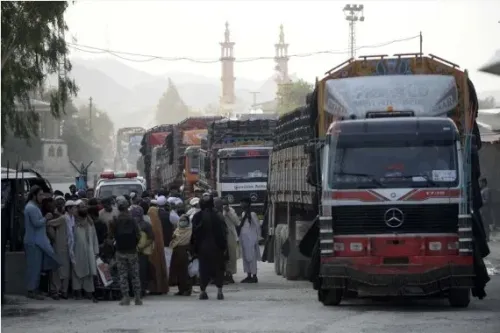
Mutton traders across Kashmir have launched an indefinite strike in protest, citing heavy financial losses caused by these interruptions during transit.
What the Government Inquiry Found
The matter was examined by the Department of Food, Civil Supplies and Consumer Affairs, Government of Jammu and Kashmir through an internal committee. The committee's findings indicate that transporters are reportedly being compelled to make substantial payments per vehicle at various points during transit through Punjab.
Notably, the committee observed that livestock movement is exempt from GST, making the continued imposition of such charges legally questionable. Abdullah warned that these levies are placing an additional burden on the livestock trade, with a direct consequential impact on meat prices and consumers in Jammu and Kashmir.
Key Concerns Raised by Abdullah
In his letter, Abdullah highlighted that such unauthorised interruptions reportedly cause avoidable delays, financial losses, and hardship for transporters, while also adversely affecting animal welfare during transit. He stressed that such practices, if verified, are inconsistent with the longstanding bonds of friendship, cooperation, and economic interdependence that characterise Punjab-J&K relations.
Abdullah also flagged that the tendering process for cattle fairs in Punjab is likely to be undertaken shortly. Stakeholders have expressed apprehension that, unless appropriate safeguards are put in place, these practices may continue during the forthcoming contract period, resulting in recurring hardship and financial losses for the livestock trading community.
What Abdullah Has Requested
Abdullah requested Mann's intervention to ensure the smooth, secure, and unhindered movement of livestock transport vehicles through Punjab. He specifically asked that no unauthorised interference or collection of charges be permitted from transporters carrying valid documentation and complying with all statutory requirements. The letter closes with Abdullah expressing hope for Mann's support and cooperation in resolving the matter.
With the Kashmir mutton trade under strain and a trader strike already under way, the Punjab government's response to Abdullah's letter will be closely watched by both the trading community and consumers across Jammu and Kashmir.
Point of View
But the underlying issue is a regulatory gap that has persisted long enough to trigger a trader strike and a formal government inquiry. The J&K internal committee's finding that these levies have no legal sanction — and that livestock movement is GST-exempt — removes any ambiguity: this is extortion dressed up as a cattle-fair fee. What is missing from the picture is why Punjab's own enforcement machinery has not acted independently of a chief minister's letter. With cattle fair contracts up for renewal, there is a structural incentive for contractor groups to entrench this practice. Unless Mann's government builds anti-extortion safeguards into the new tender conditions, Abdullah's letter risks being a one-time fix for a recurring problem.
NationPress
28 Sept 2026
Frequently Asked Questions
Why did Omar Abdullah write to Bhagwant Mann about livestock vehicles?
J&K Chief Minister Omar Abdullah wrote to Punjab Chief Minister Bhagwant Mann on 29 June to seek intervention against unauthorised fee collection from livestock transport vehicles transiting Punjab en route to Jammu and Kashmir. The letter was prompted by complaints from the All Kashmir Wholesale Mutton Dealers Union and an indefinite strike by Kashmir mutton traders.
What unauthorised levies are being collected on livestock vehicles in Punjab?
Contractor groups operating in connection with cattle fairs in Punjab are allegedly stopping livestock-laden vehicles and collecting fees despite the transporters carrying valid permits and documentation. A J&K government internal committee found these payments have no apparent legal sanction and that livestock movement is exempt from GST.
Who are the traders affected and what action have they taken?
Mutton traders in Kashmir, represented by the All Kashmir Wholesale Mutton Dealers Union, are the primary affected group. They have launched an indefinite strike to protest the financial losses caused by these unauthorised levies and transit delays.
What impact do these levies have on consumers in Jammu and Kashmir?
According to Abdullah's letter, the unauthorised charges place an additional burden on the livestock trade that ultimately flows through to higher meat prices for consumers in Jammu and Kashmir. Animal welfare during prolonged transit delays is also cited as a concern.
What has Abdullah specifically asked Bhagwant Mann to do?
Abdullah has requested that Mann ensure smooth and unhindered movement of livestock transport vehicles through Punjab, with no unauthorised interference or fee collection from transporters holding valid documentation. He also urged that appropriate safeguards be built into the upcoming cattle fair tendering process to prevent the practice from recurring.