Pakistan goods transport strike continues after govt talks collapse
Synopsis
Talks between Pakistan's government and the All Pakistan Goods Transport Alliance have broken down, with transporters vowing to hold the line on their wheel-jam strike. With petrol taxed at PKR 114 per litre and daily pricing adding fresh uncertainty, the freight sector says verbal assurances are no longer enough — and the economic fallout is only beginning.
Key Takeaways
The All Pakistan Goods Transport Alliance has declared its nationwide strike will continue after talks with federal and Sindh government representatives failed on 11 August .
Alliance President Malik Shehzad Awan said 'negotiations have not been successful' and demanded meaningful, visible progress before any deal.
The strike was launched over the government's daily fuel pricing mechanism , excessive fines, poor roads, and corruption in axle-load enforcement.
Petrol in Pakistan is currently priced at PKR 327.62 per litre and HSD at PKR 380.86 per litre , with taxes of PKR 114 and PKR 100 per litre respectively.
Daily fuel price revisions by Ogra — announced on 17 July — have added pricing uncertainty for freight operators planning haulage costs.
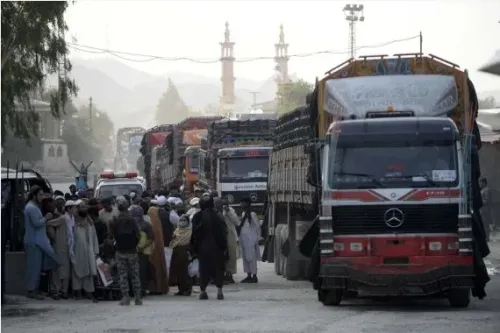
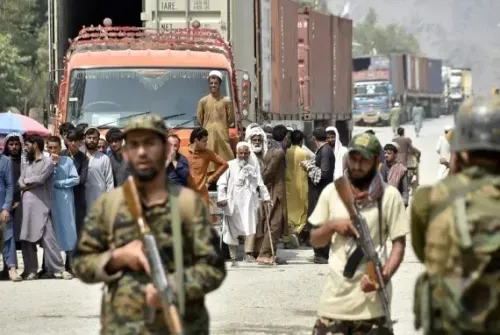
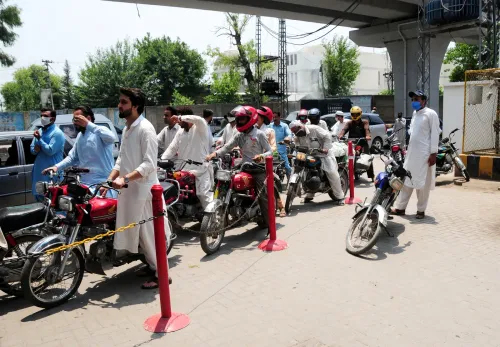
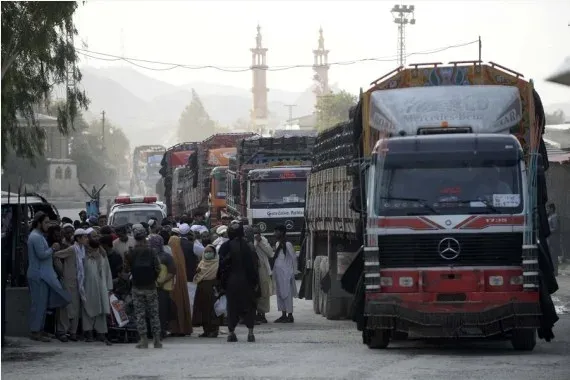
The All Pakistan Goods Transport Alliance has vowed to press on with its nationwide strike after negotiations with federal and Sindh government representatives failed to yield any concrete outcome on Tuesday, 11 August. The deadlock marks a significant escalation in a dispute that has already disrupted freight movement across Pakistan.
What the Transporters Said
All Pakistan Goods Transport Alliance President Malik Shehzad Awan addressed a press conference, stating that despite detailed talks with government representatives, no meaningful progress had been made on the sector's core demands. 'Negotiations have not been successful, and we have decided to continue the strike,' Awan said, while adding that the doors for dialogue remain open — provided the government demonstrates 'meaningful and visible progress.'
Awan was unequivocal that verbal assurances would no longer suffice. 'The protest has entered a decisive phase. We will continue our peaceful struggle until our legitimate rights are secured,' he said, signalling that the alliance intends to hold its ground until firm commitments are made.
How the Strike Began
The wheel-jam strike was initially announced on Saturday by the Pakistan Mini Mazda Association and the All Pakistan Goods Transport Owners Association, primarily targeting the government's daily fuel pricing mechanism, excessive fines, and a range of structural issues burdening the transport sector.
All Pakistan Goods Transport Owners Association President Chaudhry Owais Gujjar highlighted additional grievances, including rampant corruption in axle-load enforcement and the poor condition of roads — which he described as a major contributor to traffic accidents. He noted that transporters collectively pay billions of rupees annually in toll taxes while receiving inadequate road infrastructure in return.
The Fuel Pricing Flashpoint
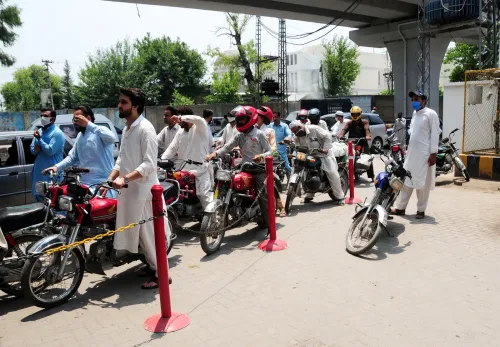
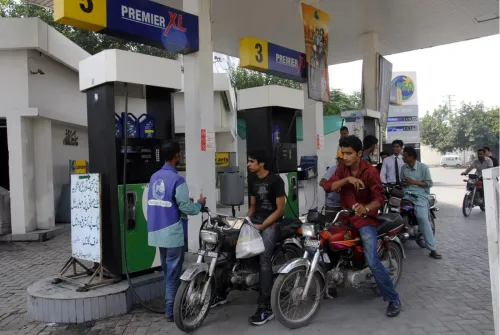
At the heart of the dispute is Pakistan's fuel pricing regime. On Monday, the government kept fuel prices unchanged: petrol remains at PKR 327.62 per litre and high-speed diesel (HSD) at PKR 380.86 per litre. The government continues to levy PKR 114 per litre in taxes and duties on petrol and PKR 100 per litre on HSD — levies that transporters say erode their margins beyond viability.
The pricing tension deepened after Petroleum Minister Ali Pervaiz Malik and Information Minister Atta Tarar announced on 17 July that fuel prices would henceforth be revised on a daily basis, citing volatility in global oil markets amid renewed hostilities in West Asia. The Oil and Gas Regulatory Authority (Ogra) was tasked with publishing updated rates on its website based on international market trends. This shift from weekly to daily pricing — in place since early March on a weekly basis — has added uncertainty for operators who plan freight costs in advance.
What Happens Next
With both sides signalling willingness to talk but no agreement in sight, the strike's economic toll is likely to mount. A prolonged freight disruption could affect supply chains for essential goods across major Pakistani cities. The government faces pressure to move beyond verbal assurances and table concrete policy changes on fuel taxation, road maintenance funding, and enforcement reform if it hopes to end the standoff.
Point of View
Crumbling roads, and discretionary enforcement — and the shift to daily fuel pricing has removed the last buffer operators had for cost planning. The government's offer of verbal assurances reflects a pattern seen in previous labour standoffs: buy time without committing to fiscal relief. With freight disruptions threatening supply chains ahead of the harvest season, the clock is ticking faster for Islamabad than for the strikers. The real test is whether the Centre can decouple the fuel tax revenue question from the enforcement and road-quality reforms, which cost far less politically but would signal good faith.
NationPress
25 Sept 2026
Frequently Asked Questions
Why are Pakistan goods transporters on strike?
The transporters launched a wheel-jam strike against the government's daily fuel pricing mechanism, high fuel taxes, excessive fines, poor road conditions, and corruption in axle-load enforcement. The All Pakistan Goods Transport Alliance says these issues have made freight operations economically unviable.
What happened in the talks between the government and transporters?
Talks involving representatives of the federal and Sindh governments failed to produce any concrete outcome, according to Alliance President Malik Shehzad Awan. He said no meaningful progress was made on the transporters' core demands, and the strike would continue.
What are the current fuel prices in Pakistan?
As of 11 August, petrol in Pakistan is priced at PKR 327.62 per litre and high-speed diesel at PKR 380.86 per litre. The government levies PKR 114 per litre in taxes on petrol and PKR 100 per litre on HSD.
What is the daily fuel pricing mechanism that triggered the strike?
On 17 July, Pakistan's Petroleum and Information Ministers announced that Ogra would revise fuel prices daily based on international market trends, replacing the earlier weekly revision system that had been in place since early March. Transporters say this daily volatility makes it impossible to plan freight costs reliably.
What are the transporters demanding?
Key demands include relief from high fuel taxes, enforcement of axle-load limits as per law without corruption, better road infrastructure, and a review of the daily fuel pricing mechanism. The Alliance says it will not call off the strike until the government makes firm, verifiable commitments.