Pakistan diesel price hike forces goods transporters to halt operations
Synopsis
Pakistan's latest diesel price hike — pushing HSD to PKR 415.83 per litre with PKR 100 in taxes alone — has pushed goods transporters past a breaking point. With operators reporting that vehicle revenues have turned into losses, the suspension of freight services threatens to ripple through an already stressed supply chain and push consumer prices even higher.
Key Takeaways
All Pakistan Goods Transport Owners Association President Muhammad Owais Chaudhry confirmed that transporters have begun suspending operations due to unsustainable diesel costs.
The Pakistani government raised high-speed diesel prices by PKR 6.41 per litre and petrol by PKR 4.10 per litre on Tuesday .
HSD now costs PKR 415.83 per litre ; petrol stands at PKR 384.34 per litre as of Wednesday, 16 September .
The government continues to impose PKR 100 per litre in taxes on diesel and PKR 114 per litre on petrol.
Petroleum Minister Ali Pervaiz Malik announced on 17 July that fuel prices would be revised regularly based on international market fluctuations.
Transporters have called on authorities to reduce fuel prices to prevent further disruption to Pakistan's supply chains.
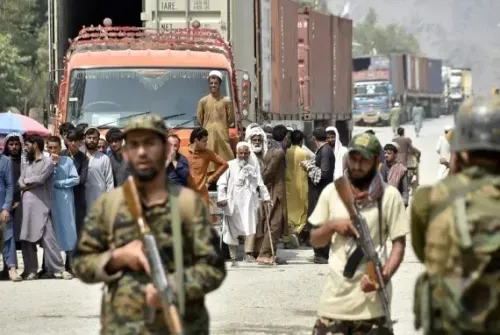
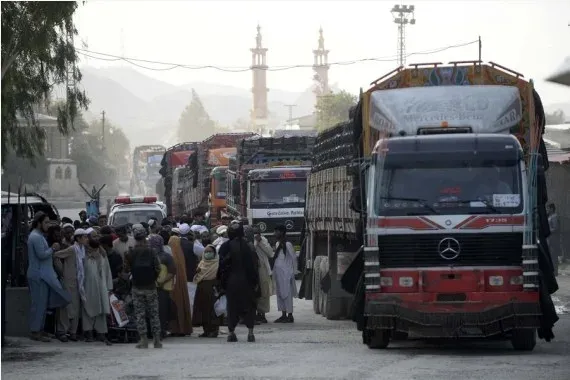
Goods transporters across Pakistan have begun suspending operations after a sustained surge in diesel prices made it financially unviable to keep vehicles on the road, All Pakistan Goods Transport Owners Association President Muhammad Owais Chaudhry said on Wednesday, 16 September, according to local media reports. The crisis has deepened following the latest government-mandated fuel price revision, which pushed the cost of high-speed diesel to a fresh high.
How Bad the Situation Has Become
Muhammad Owais Chaudhry described the financial pressure on transporters as severe, saying that after accounting for fuel costs, taxes, and levies, operators are no longer able to generate meaningful profits. 'The savings generated from running vehicles have now turned into losses because of expensive diesel,' he said, adding that many in the sector were struggling to continue operations at all.
Chaudhry criticised the Pakistan government for raising fuel prices rather than offering relief to businesses and consumers, arguing that every increase in diesel costs flows directly into the goods transport sector — and ultimately into the prices of everyday commodities.
The Latest Fuel Price Revision
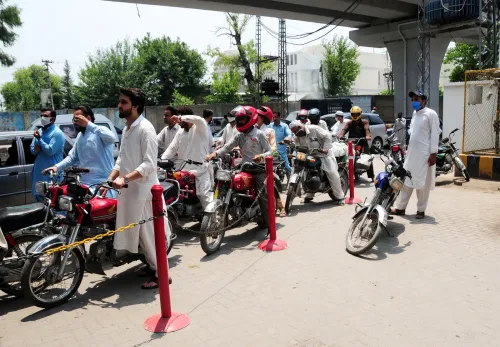
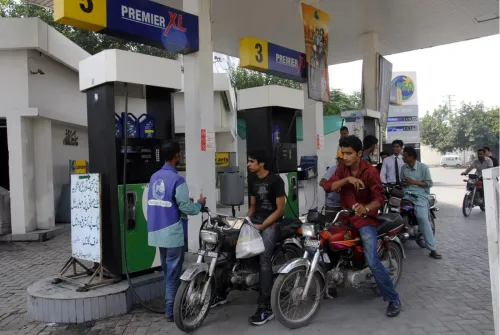
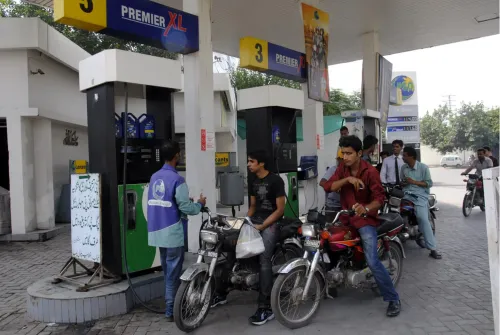
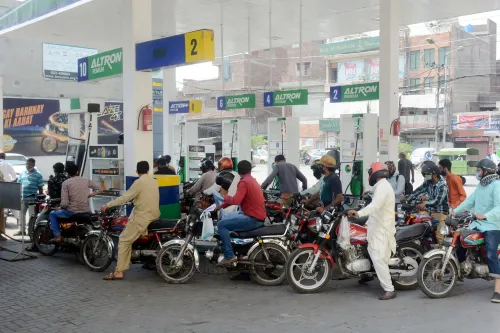
On Tuesday, the Pakistani government announced a fresh increase in fuel prices: petrol rose by PKR 4.10 per litre and high-speed diesel (HSD) by PKR 6.41 per litre. Following the revision, petrol is now priced at PKR 384.34 per litre, while HSD has reached PKR 415.83 per litre, according to reports from the Pakistan-based daily Dawn.
The new prices came into effect on Wednesday. Notably, the government continues to levy PKR 114 per litre in taxes and duties on petrol and PKR 100 per litre on diesel — a tax burden that industry representatives argue is disproportionate and unsustainable for logistics operators.
Policy Backdrop: From Weekly Revisions to Market-Linked Pricing
The pricing volatility is partly a product of a policy shift announced on 17 July by Pakistan's Petroleum Minister Ali Pervaiz Malik, who stated that fuel prices would henceforth be revised on a regular basis in line with fluctuations in international market prices. The move followed renewed tensions between Iran and the United States, which had introduced fresh uncertainty into global oil supply chains.
Prior to this shift, the Pakistani government had been making weekly fuel price revisions and implementing fuel conservation measures in the wake of the conflict that erupted in West Asia. The transition to a more market-linked mechanism has, according to transporters, removed the predictability they once relied on to plan costs.
Wider Impact on Supply Chains
The suspension of operations by goods transporters carries implications well beyond the logistics sector. Pakistan's supply chains for food, manufactured goods, and raw materials depend heavily on road freight. A prolonged halt — or even a partial one — risks cascading into shortages and further price inflation at the consumer level. This comes amid an already fragile economic environment in Pakistan, where inflation has remained persistently elevated. Transporters have called on authorities to reduce petrol and diesel prices as an immediate measure to prevent further disruption.
Point of View
Announced in July, may have been fiscally rational, but without a compensatory mechanism for essential freight operators, it transfers the burden directly onto supply chains — and eventually onto consumers who are already contending with elevated inflation. The government's silence on relief measures for the transport sector suggests it is prioritising revenue targets over supply-chain stability, a trade-off that could prove costly.
NationPress
16 Sept 2026
Frequently Asked Questions
Why are goods transporters suspending operations in Pakistan?
Goods transporters in Pakistan have begun halting operations because the sustained rise in diesel prices has made it financially unviable to run vehicles after accounting for fuel costs, taxes, and levies. All Pakistan Goods Transport Owners Association President Muhammad Owais Chaudhry confirmed that vehicle revenues have turned into losses.
What are the current petrol and diesel prices in Pakistan?
As of Wednesday, 16 September, petrol in Pakistan is priced at PKR 384.34 per litre and high-speed diesel at PKR 415.83 per litre, following the latest government revision that raised HSD by PKR 6.41 per litre and petrol by PKR 4.10 per litre.
How much tax does the Pakistani government charge on fuel?
The Pakistani government currently imposes PKR 114 per litre in taxes and duties on petrol and PKR 100 per litre on diesel. Transporters argue this tax burden is disproportionate and unsustainable for the logistics sector.
Why does Pakistan now revise fuel prices regularly instead of weekly?
Petroleum Minister Ali Pervaiz Malik announced on 17 July that fuel prices would be revised on a regular basis to reflect international market fluctuations, following renewed tensions between Iran and the United States. Previously, the government had been making weekly revisions alongside fuel conservation measures.
What is the broader impact of the transport disruption in Pakistan?
A suspension or slowdown in goods transport risks disrupting Pakistan's supply chains for food, manufactured goods, and raw materials, potentially worsening consumer price inflation in an already economically stressed environment. Transporters have called on authorities to cut fuel prices to prevent further damage.