Bangladesh garment factories hit by mass hysteria: 11 'ghost' scares in a decade
Synopsis
Bangladeshi garment workers have been collapsing en masse after 'ghost' sightings — 11 times in a decade. The real diagnosis: mass psychogenic illness fuelled by malnutrition, poverty wages, and relentless work pressure. The latest episode shut a Narayanganj factory for two consecutive days, exposing a systemic welfare crisis hiding behind a supernatural explanation.
Key Takeaways
At least 11 episodes of mass panic linked to 'ghost' or 'jinn' sightings have struck Bangladesh's garment sector over the past decade.
The most recent incident occurred on 22 August at Universal Menswear in the Adamjee Export Processing Zone, Narayanganj , affecting around 50 workers .
2008 recorded the highest number of such episodes in any single year, with multiple factories affected.
Medical experts attribute the episodes to mass psychogenic illness (conversion disorder) triggered by malnutrition, work stress, and psychological contagion.
Nazma Akhter of the Garments Workers Unity Forum linked the outbreaks to poverty wages, poor nutrition, and mental health pressure.
Experts warn incidents will recur without fair wages, nutritional support, and mental health resources for workers.
At least 11 episodes of mass panic — workers fainting en masse after colleagues reported 'ghosts' or 'jinns' — have struck Bangladesh's garment sector over the past decade, according to a report by Bangladeshi daily Prothom Alo. Medical experts and labour leaders say the real culprits are malnutrition, overwork, and psychological contagion — not the supernatural.
What happened at Universal Menswear
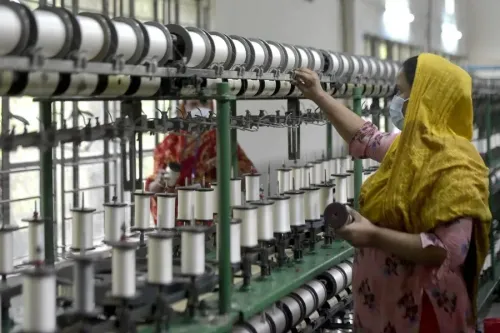
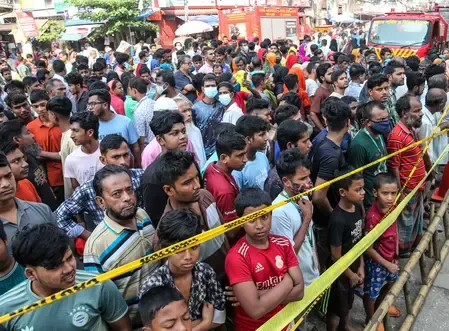
The latest documented episode occurred on 22 August at the Universal Menswear factory inside the Adamjee Export Processing Zone in Narayanganj, an industrial hub on the outskirts of Dhaka. Shortly after the lunch break, a female worker on the third floor screamed 'ghost' and fainted. Panic spread rapidly — around 50 workers on the second and third floors soon fell ill. Management shut the factory that day; the episode repeated the following day, forcing a second closure.
A pattern, not an anomaly
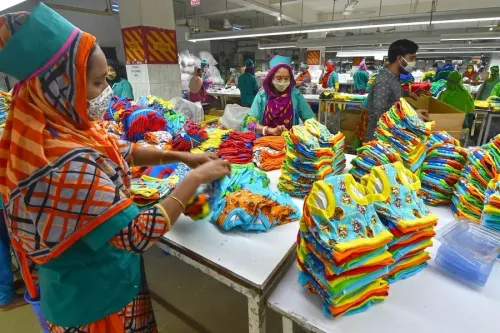
Far from being an isolated occurrence, the Prothom Alo report identified at least 11 similar incidents in garment factories over the past ten years. The peak year on record was 2008, when multiple units reported comparable 'ghost' or 'jinn' scares — more than in any other single year. According to the analysis, such episodes typically erupt in large factories, often beginning with rumours of a presence in bathrooms or claims that a co-worker has been 'possessed'. One worker's collapse then triggers a chain reaction of mass fainting or sudden illness among others on the floor.
What labour leaders say
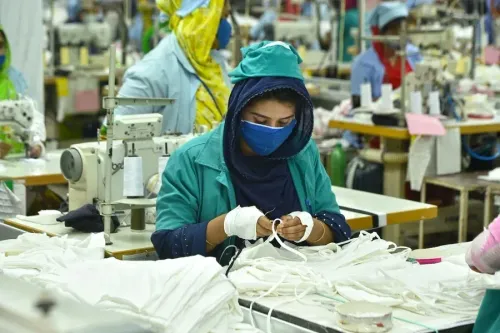
Nazma Akhter, President of the Garments Workers Unity Forum, offered a grounded explanation: female workers frequently arrive at the factory already unwell, suppressing symptoms under financial pressure. Low wages leave many unable to afford adequate nutrition on most days, while family stress compounds the mental burden. 'Under such strain, workers often collapse,' the report noted, adding that some individuals may exploit the ensuing chaos to amplify panic. Factory managers and union representatives pointed to a combination of work stress, malnutrition, superstition, and psychological contagion as the underlying drivers.
The medical diagnosis: mass psychogenic illness
Professor Helal Uddin Ahmed of the Psychiatry department at Faridpur Medical College attributed the symptoms — dizziness, nausea, and stomach pain — to conversion disorder, also known as Functional Neurological Disorder. The condition involves real neurological-like symptoms, including weakness, apparent seizures, or sensory loss, that occur without detectable structural brain damage; disrupted brain-body communication is understood to be the mechanism. When such symptoms spread through a group, clinicians classify the outbreak as mass psychogenic illness — a phenomenon reportedly documented in schools, hostels, and factories worldwide. Professor Ahmed stressed that prevention requires mental health awareness programmes, access to counselling, adequate rest facilities, and fair wages.
Owners' suspicions and what comes next
Some factory owners, according to the report, suspect that organised groups may be deliberately fanning panic to disrupt production, though the newspaper acknowledged it could not independently establish that claim. Without structural improvements — better wages, nutritional support, and mental health resources — experts warn that such episodes are likely to recur, disrupting output and placing further strain on an industry that is a cornerstone of Bangladesh's export economy. The incidents put a spotlight on systemic labour welfare gaps that policy-makers and industry bodies have yet to fully address.
Point of View
Cannot take sick leave, and have no mental health support are a textbook population for mass psychogenic illness. Bangladesh's garment sector — which generates roughly 85% of the country's export earnings — has every structural incentive to treat this as a supernatural aberration rather than an occupational health emergency. Until wage floors, nutrition programmes, and factory counselling services are treated as non-negotiable costs of doing business, the industry will keep shutting production lines over 'jinns' that are, in reality, hunger and exhaustion.
NationPress
16 Sept 2026
Frequently Asked Questions
What is causing garment workers in Bangladesh to faint in groups?
Medical experts attribute the episodes to mass psychogenic illness, a condition where real physical symptoms — dizziness, nausea, fainting — spread rapidly through a group without an underlying structural disease. Factors cited include malnutrition from poverty wages, chronic work stress, and psychological contagion once one worker collapses.
What is mass psychogenic illness?
Mass psychogenic illness, also called conversion disorder or Functional Neurological Disorder, involves genuine neurological-like symptoms — weakness, apparent seizures, or sensory disruption — without detectable brain damage. It is caused by disrupted brain-body communication and is documented in schools, hostels, and factories worldwide.
How many such incidents have occurred in Bangladesh's garment sector?
At least 11 episodes of mass panic tied to 'ghost' or 'jinn' reports have been recorded in Bangladesh's garment factories over the past decade, according to a report by Bangladeshi daily Prothom Alo. The peak was in 2008, when multiple factories were affected — more than in any other single year.
Where did the most recent episode take place?
The latest incident occurred on 22 August at the Universal Menswear factory inside the Adamjee Export Processing Zone in Narayanganj, near Dhaka. Around 50 workers on the second and third floors fell ill, forcing management to shut the factory for two consecutive days.
What do labour leaders say is needed to prevent these episodes?
Nazma Akhter of the Garments Workers Unity Forum and psychiatrist Professor Helal Uddin Ahmed both call for fair wages, improved nutrition, mental health awareness, access to counselling, and adequate rest facilities. Without these, experts warn similar outbreaks will continue to disrupt production.