Pakistan transporter strike disrupts industrial, export supply chains
Synopsis
Over 400,000 goods vehicles have been off Pakistani roads since Saturday as transporters reject a newly introduced daily fuel price revision mechanism — a sharp policy shift from weekly revisions that has turned routine pricing into a logistical crisis. With ministerial talks set for Monday, Pakistan's export supply chains hang in the balance.
Key Takeaways
Pakistan Goods Transporters Alliance launched a nationwide strike from Saturday, 9 August , halting over 400,000 goods-carrying vehicles.
The strike targets the government's new daily fuel price revision mechanism , introduced on 17 July by Petroleum Minister Ali Pervaiz Malik .
Transporters demand restoration of the monthly fuel price mechanism and a cut in withholding tax from 7% to 2% .
Petrol is currently priced at PKR 327.62 per litre and HSD at PKR 380.86 per litre after a Friday revision.
Alliance leadership is scheduled to meet ministers overseeing petroleum, transport, and ports on Monday ; the strike's future depends on those talks.
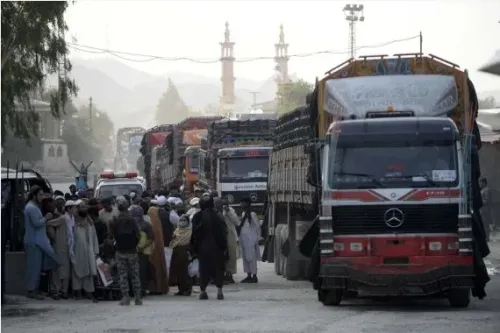
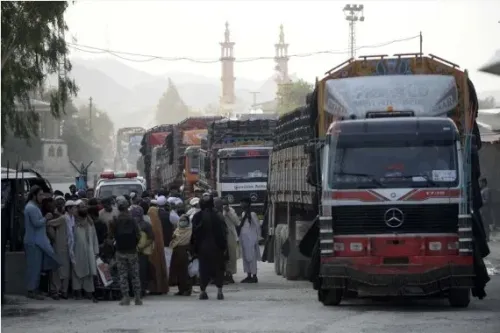
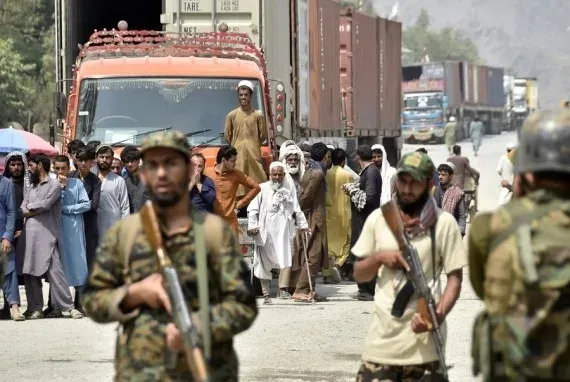
Industrial and export supply chains across Pakistan faced significant disruption beginning Saturday, 9 August, as goods transporters and oil tanker operators launched a coordinated nationwide strike, with the protest set to continue until union leadership meets senior government ministers on Monday. The strike has idled more than 400,000 goods-carrying vehicles across the country.
Key Developments
Pakistan Goods Transporters Alliance chairman Nisar Hussain Jafry confirmed the suspension of vehicle movement, stating that the strike would remain in force until their leadership holds talks with ministers overseeing petroleum, transport, and ports. According to reports citing Dawn, Jafry said the alliance's leadership intended to meet the concerned ministers on Monday before deciding the next course of action.
What the Transporters Demand
At the heart of the dispute is the Pakistani government's recently introduced daily fuel price revision mechanism, which transporters say creates unsustainable cost unpredictability. Jafry demanded the restoration of the earlier monthly fuel price mechanism and a reduction in withholding tax on transporters from 7% to 2%, noting that oil carriers were already paying a 2% withholding tax on services.
The Fuel Price Backdrop
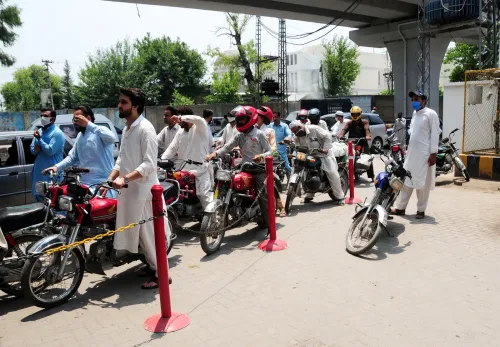
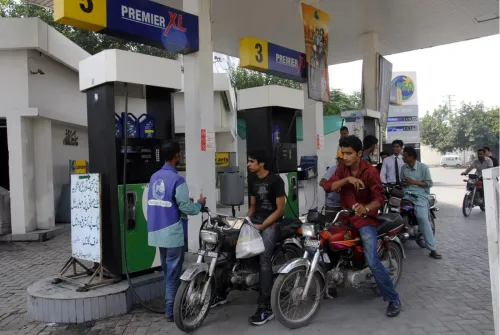
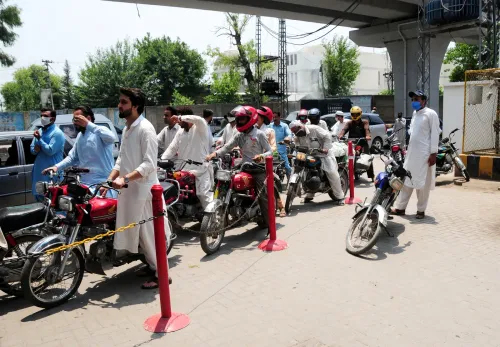
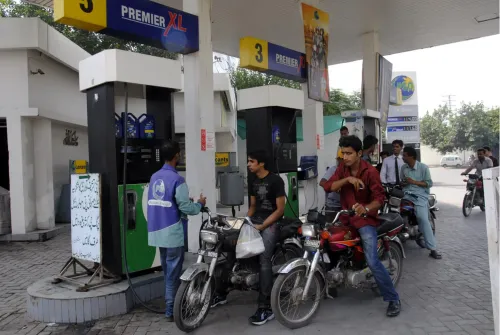
On Friday, the Pakistan government reduced petrol prices by PKR 2.20 per litre and high-speed diesel (HSD) by PKR 1.50 per litre, bringing petrol to PKR 327.62 per litre and HSD to PKR 380.86 per litre, according to reports citing Business Recorder. These revised prices were set to remain in effect until Monday.
The daily pricing mechanism was announced on 17 July by Petroleum Minister Ali Pervaiz Malik and Information Minister Atta Tarar, who cited volatility in global oil markets linked to renewed hostilities in West Asia. Under the new system, the Oil and Gas Regulatory Authority (OGRA) publishes revised rates on its website based on international market trends. Notably, Pakistan had been revising fuel prices on a weekly basis since early March — the shift to daily revisions represents a sharp acceleration that transporters argue they cannot absorb.
Impact on Supply Chains
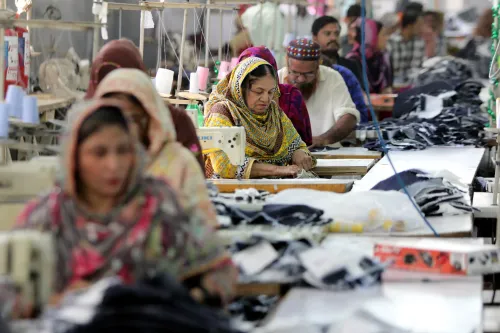
The halting of over 400,000 vehicles has created a cascading effect on industrial production and export logistics. Pakistan's export sector — already under pressure from currency depreciation and weak global demand — faces added strain if the strike extends beyond Monday. This is not the first time Pakistani transporters have resorted to a nationwide strike over fuel pricing disputes, but the shift to a daily revision mechanism marks a new flashpoint in an already fraught relationship between the logistics sector and the government.
What Happens Next
The outcome of Monday's planned ministerial talks will be decisive. Should the government agree to revisit the daily pricing mechanism or offer tax relief, the strike could end quickly. A breakdown in talks, however, risks prolonging the disruption and deepening the impact on Pakistan's already fragile supply chains.
Point of View
Or hold firm and absorb the supply-chain cost of a prolonged strike at a moment when Pakistan's export performance can least afford it. The Monday talks are less a negotiation than a stress test of the government's reform resolve.
NationPress
23 Sept 2026
Frequently Asked Questions
Why are Pakistan's goods transporters on strike?
Pakistan's goods transporters are striking over the government's recently introduced daily fuel price revision mechanism, which they say creates unmanageable cost uncertainty. They are also demanding a reduction in withholding tax on transporters from 7% to 2%.
How many vehicles have been affected by the Pakistan transporter strike?
Over 400,000 goods-carrying vehicles have been suspended from operation since Saturday, 9 August, according to Pakistan Goods Transporters Alliance chairman Nisar Hussain Jafry.
When did Pakistan switch to daily fuel price revisions?
The daily fuel pricing mechanism was announced on 17 July by Petroleum Minister Ali Pervaiz Malik and Information Minister Atta Tarar, citing volatility in global oil markets. Prior to this, Pakistan had been revising fuel prices on a weekly basis since early March.
What are the current fuel prices in Pakistan?
Following a revision on Friday, petrol is priced at PKR 327.62 per litre and high-speed diesel at PKR 380.86 per litre, after cuts of PKR 2.20 and PKR 1.50 per litre respectively. These prices were set to remain in effect until Monday.
What happens if Monday's talks between transporters and ministers fail?
If the ministerial talks on Monday do not yield an agreement, the strike is expected to continue, further disrupting industrial production and export logistics across Pakistan. The Pakistan Goods Transporters Alliance has indicated the protest will persist until its demands are addressed.