OPEC+ to raise oil output by 188,000 barrels a day from July 2026
Synopsis
With global oil prices already above $100 a barrel due to Middle East conflict, OPEC+'s seven core members have now committed to a third successive output hike — adding 188,000 bpd from July 2026 on top of nearly 600,000 bpd added since April. The move tests whether more supply can cool prices, or whether geopolitical risk keeps the floor intact.
Key Takeaways
OPEC+ seven core members will raise combined output by 188,000 bpd from July 2026 .
Saudi Arabia and Russia each contribute 62,000 bpd ; the remainder is shared among Iraq, Kuwait, Kazakhstan, Algeria, and Oman .
The group has already added nearly 600,000 bpd in combined quotas between April and June 2026 .
Global oil prices have surged past $100 per barrel , driven by Middle East conflict -related supply disruptions.
Overproduction compensation will be tracked by the JMMC and extended through December 2026 .
The next OPEC+ review meeting is scheduled for 5 July 2026 .
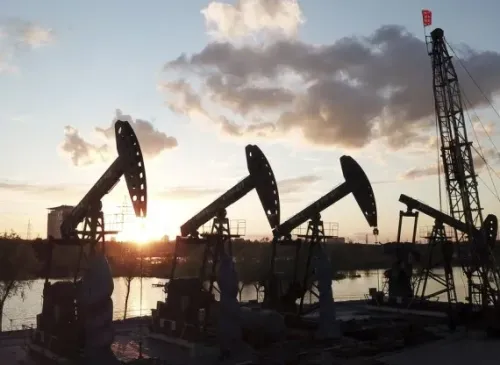
Seven core members of the OPEC+ alliance announced on Sunday, 7 June that they will collectively raise crude oil production by 188,000 barrels per day (bpd) starting July 2026, citing their commitment to sustaining global oil market stability. The decision follows a virtual meeting convened to review prevailing market conditions and the broader supply-demand outlook.
Who Decided and by How Much
The seven participating nations — Saudi Arabia, Russia, Iraq, Kuwait, Kazakhstan, Algeria, and Oman — agreed on the production increase after the virtual session. Leading producers Saudi Arabia and Russia will each contribute an additional 62,000 bpd, with the remaining increment distributed among the other five member states.
Context: A Sustained Output Push
This latest increase is not an isolated move. The same seven core members have already raised their combined output quotas by nearly 600,000 bpd between April and June 2026. The successive hikes come against the backdrop of energy supply disruptions linked to the ongoing Middle East conflict, which has pushed global oil prices beyond the $100-per-barrel mark — a threshold that typically intensifies pressure on oil-importing economies, including India.
Notably, the latest adjustment is layered on top of the additional voluntary production changes first announced in April 2023. The group signalled that those earlier voluntary adjustments may be returned — in part or in full — depending on how market conditions evolve, and only in a gradual manner.
Flexibility and Compensation Mechanism
The alliance reaffirmed its intention to retain full flexibility to increase, pause, or reverse the phase-out of voluntary production adjustments — including those originally announced in November 2023. Members also confirmed they will fully compensate for any volumes produced above their agreed quotas since January 2024, with the compensation window now extended through December 2026.
Oversight of conformity and compensation will remain with the Joint Ministerial Monitoring Committee (JMMC), which will track adherence to the Declaration of Cooperation across all participating nations.
What Happens Next
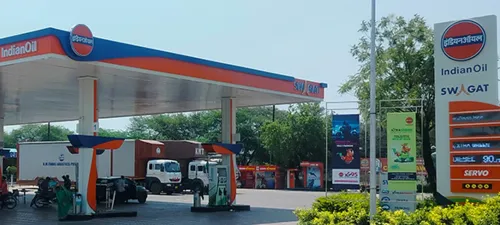
The seven OPEC+ countries will convene monthly meetings to assess market conditions, compliance, and compensation progress. Their next scheduled gathering is set for 5 July 2026. Analysts will watch closely whether the additional supply is sufficient to cool prices or whether persistent Middle East tensions keep the $100-plus floor intact. For India — one of the world's largest crude importers — any sustained easing in global oil prices would directly affect the trade deficit and retail fuel costs.
Point of View
000 bpd since April suggest OPEC+ is genuinely alarmed by demand destruction risk at $100-plus prices — not just performing market management. Yet the group's own built-in flexibility clause, allowing it to pause or reverse increases, tells a different story: this is a cartel hedging its bets, not committing to a sustained supply correction. For India, the arithmetic is stark — every dollar above $90 per barrel adds roughly ₹8,000–10,000 crore annually to the import bill. The real question is whether geopolitical risk in the Middle East outlasts OPEC+'s willingness to keep pumping.
NationPress
22 Oct 2026
Frequently Asked Questions
Why is OPEC+ increasing oil production in July 2026?
OPEC+ is raising output by 188,000 bpd from July 2026 to help stabilise global oil markets, which have been disrupted by the ongoing Middle East conflict that pushed prices above $100 per barrel. The move is part of a broader series of hikes the group has implemented since April 2026.
Which countries are part of the seven-member OPEC+ group making this decision?
The seven countries are Saudi Arabia, Russia, Iraq, Kuwait, Kazakhstan, Algeria, and Oman. Saudi Arabia and Russia are the largest contributors, each adding 62,000 bpd, with the rest shared among the other five members.
How much has OPEC+ already increased production before this announcement?
The same seven core members had already raised their combined output quotas by nearly 600,000 bpd between April and June 2026, making the July increase the latest in a sustained series of hikes.
What is the JMMC and what role does it play?
The Joint Ministerial Monitoring Committee (JMMC) is OPEC+'s oversight body responsible for tracking member compliance with agreed production levels and compensation for overproduction. It will monitor adherence to the Declaration of Cooperation, with the compensation period now extended through December 2026.
What happens if market conditions change after the July increase?
OPEC+ has retained full flexibility to increase, pause, or reverse the production phase-out depending on evolving market conditions. Earlier voluntary adjustments from April and November 2023 may also be returned in part or in full, gradually and subject to market developments.