OPEC+ Nations to Increase Oil Production in May Amid West Asia Crisis
Synopsis
In a strategic decision to stabilize the oil market during the West Asia crisis, OPEC+ nations have agreed to a production increase of 206,000 barrels per day for May. The move reflects a commitment to market stability and careful monitoring of global conditions.
Key Takeaways
OPEC+ nations to increase oil production by 206,000 barrels per day in May.
Meeting held to assess global market conditions and outlook.
Commitment to flexibility in production adjustments.
Concerns raised over attacks on energy infrastructure impacting supply.
Emphasis on cooperation among member nations to stabilize the market.
New Delhi, April 5 (NationPress) In a decisive move to bolster oil market stability amidst the escalating energy crisis in West Asia, the eight OPEC+ nations — Saudi Arabia, Russia, Iraq, the UAE, Kuwait, Kazakhstan, Algeria, and Oman — convened on Sunday and opted for a production adjustment of 206,000 barrels per day for May. This adjustment comes from the previously announced 1.65 million barrels per day in additional voluntary cuts made in April 2023.
The virtual meeting focused on assessing current global market conditions and future outlooks.
According to OPEC's statement, “This adjustment will commence in May 2026, with the potential for a gradual return of the 1.65 million barrels per day contingent on market developments.”
Furthermore, the nations emphasized their commitment to closely monitor the market and reiterated their dedication to a cautious approach, allowing flexibility to modify, suspend, or revert the voluntary production adjustments, including the previous 2.2 million barrels per day cut announced in November 2023.
The eight OPEC+ members acknowledged that this strategy would facilitate the participating nations in accelerating their compensatory measures.
They reaffirmed their collective commitment to achieving full compliance with the Declaration of Cooperation, including the additional voluntary production adjustments, which will be scrutinized by the Joint Ministerial Monitoring Committee (JMMC). Additionally, they confirmed their objective to make up for any excess production since January 2024.
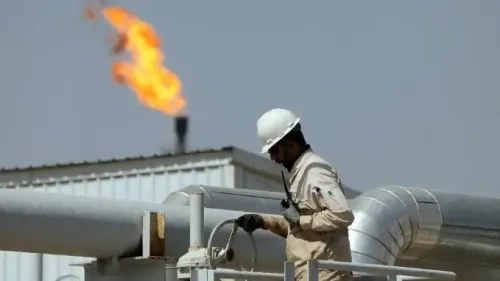
Concerns were raised regarding attacks on energy infrastructure, highlighting that restoring damaged assets is both expensive and time-consuming, significantly impacting overall supply availability.
They stressed that any actions jeopardizing energy supply security, whether through infrastructure attacks or disruptions in international shipping routes, heighten market volatility and undermine collective efforts to stabilize the market for the benefit of producers, consumers, and the global economy.
In this context, the eight nations commended the DoC countries that proactively ensured continued supply availability, especially through alternative export routes, which have significantly helped in mitigating market volatility.
Point of View
The decision by OPEC+ to adjust oil production reflects both the urgency of stabilizing the energy market and the complexities of geopolitical influences in the region. The commitment to flexibility indicates an adaptive strategy to respond to fluctuating market conditions.
NationPress
24 Oct 2026
Frequently Asked Questions
What is the purpose of OPEC+'s production adjustment?
The production adjustment aims to support oil market stability amidst the ongoing West Asia crisis.
Which countries are part of the OPEC+ nations involved?
The participating countries are Saudi Arabia, Russia, Iraq, the UAE, Kuwait, Kazakhstan, Algeria, and Oman.
When will this production adjustment take effect?
The adjustment will be implemented starting in May 2026.
What factors could influence the return of the previous production cuts?
Market conditions will determine if the previously announced 1.65 million barrels per day cuts can be reinstated in part or fully.
How does energy infrastructure damage impact oil supply?
Damage to energy infrastructure can be costly to repair and takes time, leading to a reduced overall supply availability.