Pakistan's Foreign Media Guidelines 2026 set to worsen its global press freedom ranking
Synopsis
Pakistan's new Foreign Media Facilitation Guidelines 2026 require journalists to get government clearance before leaving three cities — a move that press freedom bodies call a direct assault on free reporting. With Al Jazeera already blocked and protests in PoK fuelling the crackdown, the CPJ and PFUJ warn Pakistan's already-battered global ranking is set to sink further.
Key Takeaways
Pakistan's Foreign Media Facilitation Guidelines 2026 mandate registration, accreditation, and No-Objection Certificates for journalists travelling beyond Islamabad , Lahore , and Karachi .
The rules apply to both foreign nationals and Pakistani nationals working for international media organisations.
The PFUJ called the guidelines a 'direct assault on press freedom' and warned they will worsen Pakistan's global media ranking.
The CPJ urged Islamabad to withdraw the guidelines, warning of administrative retaliation against journalists.
Access to Al Jazeera's website has been restricted in Pakistan following the government's criticism of its PoK coverage.
International organisations have demanded repeal of Section 26A of the Prevention of Electronic Crimes (Amendment) Act, 2025 .
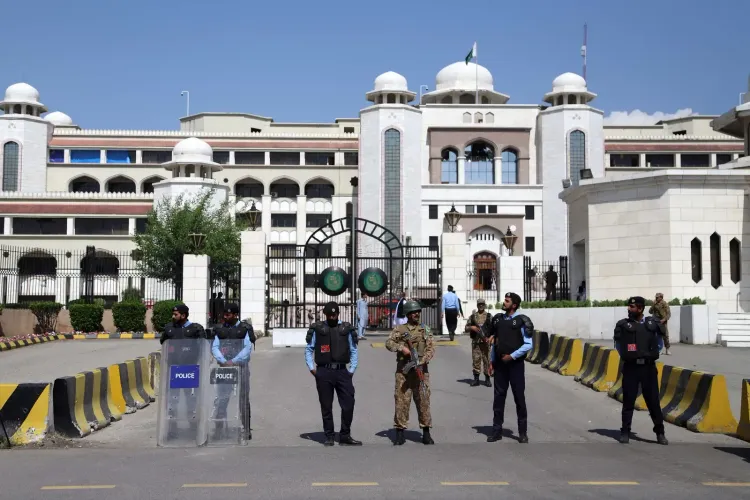
Pakistan's Foreign Media Facilitation Guidelines 2026 have drawn sharp international condemnation, with media freedom organisations warning that the new rules will further depress the country's already low global press freedom ranking. The guidelines, introduced by the Pakistani government, impose mandatory registration, accreditation, and travel restrictions on foreign and Pakistani journalists working for international outlets.
What the Guidelines Require
Under the new framework, foreign media organisations and all personnel affiliated with them must register and obtain formal accreditation. Foreign nationals as well as Pakistani nationals employed by international media houses fall under the official oversight mechanism. Critically, journalists already registered or accredited with the government's External Publicity Wing must now secure a 'No-Objection Certificate' (NOC) before travelling beyond Islamabad, Lahore, and Karachi to file reports, produce documentaries, or create social media content. Pakistani journalists, freelancers, and contributors are equally bound by these rules.
Why Islamabad Moved on This Now
Pakistani authorities announced the guidelines after international media organisations reported on unrest and elections in Pakistan-occupied Kashmir (PoK). Officials accused several outlets of presenting what they described as misleading accounts. Notably, the guidelines emerged days after Islamabad publicly criticised broadcaster Al Jazeera, labelling its coverage 'yellow journalism'. Access to Al Jazeera's website has since been restricted in Pakistan, according to the Committee to Protect Journalists (CPJ).
Press Freedom Bodies Respond
The Pakistan Federal Union of Journalists (PFUJ) termed the new guidelines a 'direct assault on press freedom' and cautioned that the measures would further erode Pakistan's global media standing. 'The guidelines amount to attacking the freedom of expression and putting curbs on press freedom,' the PFUJ said.
The CPJ urged Islamabad to withdraw the guidelines entirely. Waliullah Rahmani, CPJ Afghanistan and Pakistan Representative, warned: 'The Foreign Media Facilitation Guidelines open the door for Pakistani authorities to further restrict international media coverage, prevent journalists from reporting freely outside Pakistan's three main cities, and risk exposing them to administrative retaliation.' Rahmani called the move 'yet another appalling blow to press freedom in Pakistan, where journalists are already facing an intense crackdown,' particularly those covering developments in PoK.
Broader International Pressure
Multiple international organisations have called on Pakistan to end what they describe as an escalating assault on freedom of expression, press freedom, and access to information. They have specifically demanded the repeal of Section 26A of the Prevention of Electronic Crimes (Amendment) Act, 2025, which critics argue further tightens the government's grip on digital reporting. As analysts have observed, the restrictions risk a self-defeating cycle: the harder independent scrutiny becomes, the more global attention the crackdown itself attracts.
What Comes Next
With international bodies mounting pressure and Pakistan's press freedom standing already among the weakest globally, the durability of the new guidelines will be tested in the weeks ahead. Whether Islamabad responds to these calls or doubles down will have direct consequences for foreign journalists seeking to report on sensitive flashpoints like PoK.
Point of View
As the CPJ's pointed response already demonstrates.
NationPress
24 Sept 2026
Frequently Asked Questions
What are Pakistan's Foreign Media Facilitation Guidelines 2026?
They are new government rules requiring foreign and Pakistani journalists working for international media to register, obtain accreditation, and secure a No-Objection Certificate before travelling beyond Islamabad, Lahore, and Karachi for reporting. The guidelines also cover freelancers and contributors linked to foreign outlets.
Why did Pakistan introduce these media restrictions?
Pakistani authorities announced the guidelines after international outlets reported on unrest and elections in Pakistan-occupied Kashmir (PoK), with officials accusing some media of presenting misleading accounts. The move came shortly after Islamabad publicly criticised Al Jazeera's PoK coverage and labelled it 'yellow journalism'.
How have press freedom organisations responded?
The Pakistan Federal Union of Journalists (PFUJ) called the guidelines a 'direct assault on press freedom' and warned they will further lower Pakistan's global media ranking. The Committee to Protect Journalists (CPJ) urged Islamabad to withdraw them, warning the rules could expose journalists to administrative retaliation.
What is the significance of the Al Jazeera website block in Pakistan?
Access to Al Jazeera's website has been restricted in Pakistan following the government's criticism of its coverage of elections and protests in PoK. The CPJ confirmed the block, which critics view as a direct consequence of the same crackdown that produced the new media guidelines.
What legal change are international groups demanding Pakistan reverse?
Multiple international organisations have called on Pakistan to repeal Section 26A of the Prevention of Electronic Crimes (Amendment) Act, 2025, which critics argue tightens the government's control over digital reporting and compounds the impact of the new media guidelines.