Pakistan foreign media crackdown: West's silence draws sharp criticism
Synopsis
Pakistan has rolled out sweeping controls on foreign journalists — requiring government NOCs to travel beyond three cities — and the West has said almost nothing. With the rules timed to tensions in Pakistan-occupied Kashmir and a documented two-year slide in press freedom, the silence of the EU, US, and UK is itself becoming the story.
Key Takeaways
Pakistan's Foreign Media Facilitation Guidelines 2026 require foreign journalists to obtain a No-Objection Certificate (NOC) from the Ministry of Information and Broadcasting before travelling outside Islamabad , Lahore , or Karachi .
The EU , US , UK , and major Western embassies have issued no coordinated public condemnation of the restrictions.
Geopolitical expert Sergio Restelli warned the Western silence could signal to other governments that restricting foreign media carries no diplomatic consequences.
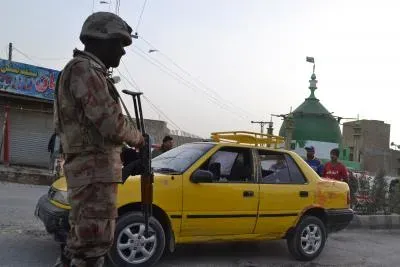
The guidelines were introduced amid heightened tensions in Pakistan-occupied Kashmir , where independent reporting is under pressure.
Human Rights Watch , the International Federation of Journalists , and the Pakistan Press Foundation have all documented a deteriorating media environment in Pakistan over the past two years.
Pakistan's sweeping new restrictions on foreign journalists have drawn fierce condemnation from international press freedom organisations — but a conspicuous silence from Western governments, according to a report published in The Times of Israel. The Foreign Media Facilitation Guidelines 2026, issued by Islamabad, require all foreign journalists to obtain a No-Objection Certificate (NOC) from Pakistan's Ministry of Information and Broadcasting (MOIB) before travelling to any city outside Islamabad, Lahore, and Karachi for news reporting.
What the New Guidelines Mandate
The guidelines outline procedures for the registration and accreditation of foreign media houses, organisations, outlets, and all associated personnel — including journalists, freelancers, fixers, and sponsors — working in or contributing to foreign media from Pakistan, according to Pakistani media reports. Critics argue the framework effectively hands Islamabad the authority to determine where foreign correspondents may travel and which events they are permitted to cover independently.
Western Silence Under Scrutiny
The European Union, the United States, the United Kingdom, and major Western embassies have so far refrained from issuing any coordinated public condemnation specifically addressing the new accreditation and travel restrictions, the report noted. Italian political advisor, author, and geopolitical expert Sergio Restelli argued that this muted response risks sending a damaging signal to other governments. 'The lack of diplomatic objection to Pakistan's restrictions on foreign media could encourage other governments to believe that limiting international reporting carries little global consequences,' Restelli wrote.
The Kashmir Dimension
The timing of the regulations has attracted particular attention. According to Restelli, the guidelines were introduced amid heightened tensions in Pakistan-occupied Kashmir, where protests, political unrest, and allegations of heavy-handed security measures have drawn growing international scrutiny. Press freedom groups argue that restricting independent access reduces transparency at precisely the moment when outside reporting is most needed.
A Deteriorating Media Environment
The new rules do not emerge in isolation. Human Rights Watch, the International Federation of Journalists (IFJ), and the Pakistan Press Foundation have all documented a deteriorating media environment in Pakistan over the past two years. Their reports describe increasing use of cybercrime legislation against journalists, arrests, intimidation, enforced disappearances, censorship, and growing self-censorship within Pakistani media organisations. Restelli noted that Pakistan currently ranks among the world's lowest in international press freedom assessments, with legal restrictions increasingly accompanied by 'economic pressure, surveillance and administrative controls' to manage the country's information environment.
What Happens Next
'Whether Western governments continue their current silence may ultimately determine not only the future of press freedom in Pakistan but also the consistency with which democratic states defend the principle of independent journalism around the world,' Restelli warned. Whether coordinated diplomatic pressure materialises — or the silence hardens into tacit acceptance — will be closely watched by press freedom advocates in the weeks ahead.
Point of View
They implicitly validate the model. The Kashmir timing makes that silence harder to defend: these restrictions arrive precisely when independent verification of ground conditions is most consequential. If democratic governments only champion press freedom when it is costless, the principle erodes everywhere.
NationPress
23 Sept 2026
Frequently Asked Questions
What are Pakistan's Foreign Media Facilitation Guidelines 2026?
The Foreign Media Facilitation Guidelines 2026 are regulations issued by Pakistan's Ministry of Information and Broadcasting requiring all foreign journalists to obtain a No-Objection Certificate (NOC) before travelling to any city outside Islamabad, Lahore, and Karachi for news reporting. The guidelines also govern the registration and accreditation of foreign media organisations and all associated personnel working in Pakistan.
Why have Western governments been criticised over Pakistan's media crackdown?
The EU, US, UK, and major Western embassies have so far issued no coordinated public condemnation of the new restrictions. Geopolitical expert Sergio Restelli argues this silence risks signalling to other governments that limiting international media access carries little diplomatic consequence, undermining the broader principle of press freedom.
Why is the timing of these guidelines significant?
The regulations were introduced amid heightened tensions in Pakistan-occupied Kashmir, where protests, political unrest, and allegations of heavy-handed security measures have attracted international attention. Press freedom groups argue the restrictions reduce transparency precisely when independent reporting is most needed.
How has Pakistan's media environment changed in recent years?
Human Rights Watch, the International Federation of Journalists, and the Pakistan Press Foundation have all documented a deteriorating media environment over the past two years, citing cybercrime legislation used against journalists, arrests, intimidation, enforced disappearances, and growing self-censorship. Pakistan ranks among the lowest globally in international press freedom assessments.
Who is Sergio Restelli and what has he said about the crackdown?
Sergio Restelli is an Italian political advisor, author, and geopolitical expert who wrote about the Pakistan media restrictions in The Times of Israel. He argued that the new guidelines enable Islamabad to control where foreign journalists travel and what they cover, and warned that continued Western silence could set a dangerous global precedent for restricting independent journalism.