Pakistan's Foreign Media Guidelines 2026 draw HRCP backlash over press curbs

Synopsis
Pakistan has quietly rolled out guidelines that require foreign journalists to seek government approval before travelling outside three cities — and rights bodies say the timing, amid a deadly PoK crackdown, is no coincidence. With the HRCP and CPJ both demanding a rollback, Islamabad faces rare simultaneous domestic and international pressure over press freedom.
Key Takeaways
Pakistan's Foreign Media Facilitation Guidelines 2026 require foreign journalists to obtain a no-objection certificate (NOC) from the Ministry of Information and Broadcasting to report outside Islamabad , Lahore , and Karachi .
The Human Rights Commission of Pakistan (HRCP) warned the measures will 'institutionalise bureaucratic control over news gathering' and called for their withdrawal.
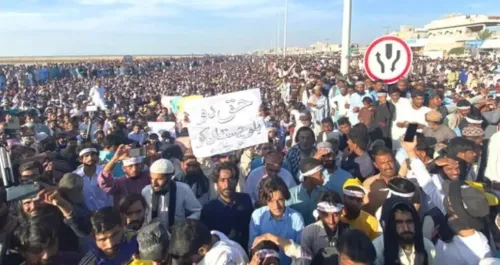
The guidelines were issued amid unrest in Pakistan-occupied Kashmir (PoK) that has reportedly claimed more than 50 lives and left hundreds injured.
The Committee to Protect Journalists (CPJ) cited internet blackouts, telecom shutdowns, and journalist detentions in PoK, calling on authorities to restore press access.
Social media users in Pakistan reported restricted access to Al Jazeera's website, adding to concerns over internet freedom during the unrest.
The Human Rights Commission of Pakistan (HRCP) has raised grave concern over the Pakistani government's newly issued Foreign Media Facilitation Guidelines 2026, warning that the measures will entrench bureaucratic control over journalism and further shrink the already diminishing space for independent reporting in the country. The guidelines were announced on 6 August amid escalating unrest in Pakistan-occupied Kashmir (PoK) that has claimed more than 50 lives.
What the New Guidelines Require
Under the Foreign Media Facilitation Guidelines 2026, all foreign journalists must obtain a no-objection certificate (NOC) from Pakistan's Ministry of Information and Broadcasting (MOIB) before travelling to any city outside Islamabad, Lahore, and Karachi for news reporting. The guidelines also set out registration and accreditation procedures for foreign media houses, organisations, outlets, journalists, media owners, freelancers, fixers, and associated personnel working in or contributing to foreign media from Pakistan, according to leading Pakistani daily Dawn.
HRCP's Sharp Criticism
The HRCP said the guidelines would inevitably 'institutionalise bureaucratic control over news gathering and risk deterring independent reporting on matters of public interest,' rather than facilitate journalism as the government claims. The rights body described the NOC mandate as sending 'a chilling message: that critical reporting is unwelcome.'
Situating the move within a longer pattern, the HRCP stated: 'This is the latest in a growing pattern of restrictions on media freedom in Pakistan. From arbitrary curbs on reporting and increasing censorship to legal and administrative barriers, the space for independent journalism has continued to shrink.' The commission called on the government to withdraw the guidelines and honour its constitutional and international obligations on freedom of expression.
PoK Unrest and the Crackdown Context
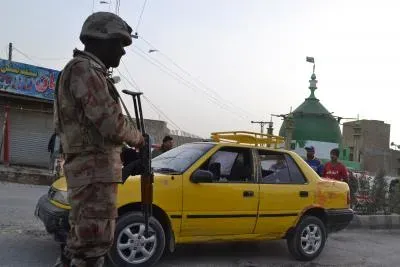
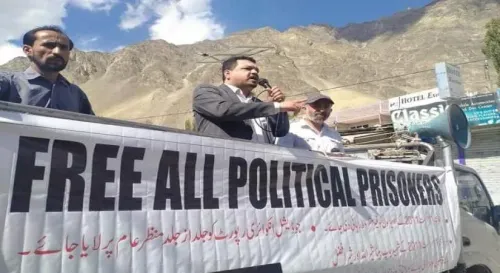
The timing of the guidelines is significant. The restrictions come against the backdrop of escalating unrest in PoK that has reportedly claimed more than 50 lives and left hundreds injured over recent days, with the actual toll potentially higher. A crackdown on peaceful protesters by Pakistani forces has drawn international condemnation over alleged human rights abuses and the deteriorating state of media freedom in the region.
Earlier this week, the Committee to Protect Journalists (CPJ) expressed grave concern over conditions for media professionals in the occupied territory, citing internet blackouts, telecommunications shutdowns, restrictions on reporting, and the detention and disappearance of journalists. The CPJ called on Pakistani authorities to immediately end the crackdown, restore access to information, and allow independent reporting in PoK.
Al Jazeera Access and Internet Restrictions
Compounding the press freedom concerns, several social media users in Pakistan recently reported difficulties accessing the website of international broadcaster Al Jazeera. The reported restrictions on international media platforms, alongside internet access disruptions during the PoK unrest, have intensified scrutiny over the Pakistani government's transparency and its management of information flow during periods of political instability.
What Comes Next
With both the HRCP and the CPJ now publicly calling for the withdrawal of restrictive measures, pressure on Islamabad is mounting on multiple fronts — domestically from civil society and internationally from press freedom bodies. Whether the government responds to these calls or doubles down on the new framework will be a key indicator of the trajectory of media freedom in Pakistan in the months ahead.
Point of View
But the substance is control — requiring state approval to report from most of the country is a structural barrier, not a facilitation. The timing matters: these rules land as PoK burns and international cameras are most needed. Pakistan has a documented history of using bureaucratic mechanisms to manage inconvenient coverage, and the NOC requirement fits that pattern precisely. What is notable this time is the convergence of domestic (HRCP) and international (CPJ) condemnation, which is harder to dismiss as foreign interference. The real test will be whether civil society pressure translates into a rollback, or whether the guidelines quietly take root as the new normal for foreign press in Pakistan.
NationPress
21 Sept 2026
Frequently Asked Questions
What are Pakistan's Foreign Media Facilitation Guidelines 2026?
They are a set of rules issued by Pakistan's Ministry of Information and Broadcasting requiring all foreign journalists to obtain a no-objection certificate (NOC) before travelling outside Islamabad, Lahore, and Karachi for reporting purposes. The guidelines also govern registration and accreditation of foreign media organisations and associated personnel working in Pakistan.
Why has the HRCP criticised the new guidelines?
The Human Rights Commission of Pakistan (HRCP) said the guidelines will institutionalise bureaucratic control over news gathering and deter independent reporting, rather than facilitate journalism. It described the NOC mandate as sending 'a chilling message: that critical reporting is unwelcome' and called on the government to withdraw the measures.
How do the guidelines connect to the unrest in PoK?
The guidelines were issued against the backdrop of escalating unrest in Pakistan-occupied Kashmir that has reportedly claimed more than 50 lives and left hundreds injured. Critics argue the timing is deliberate, as the NOC requirement would restrict foreign journalists from independently covering the situation on the ground.
What has the Committee to Protect Journalists said about Pakistan?
The CPJ expressed grave concern over conditions for media professionals in PoK, citing internet blackouts, telecommunications shutdowns, and the detention and disappearance of journalists. It called on Pakistani authorities to immediately end the crackdown and restore independent reporting access in the region.
Has access to international media been restricted in Pakistan?
Several social media users in Pakistan recently reported difficulties accessing the Al Jazeera website, raising concerns about internet restrictions and the public's right to independent information. These reports have added to broader concerns about transparency and press freedom during the ongoing political unrest.