Is the Ban on Teacher Recruitment in Pakistan Educational Sabotage?
Synopsis
The ongoing ban on teacher recruitment in Pakistan, lasting over five years, is more than a fiscal issue; it's educational sabotage. The report reveals how this situation jeopardizes children's education by denying them qualified teachers, causing a profound impact on learning outcomes.
Key Takeaways
Teacher recruitment has been frozen for over five years in Pakistan.
Many schools operate with only one teacher managing multiple responsibilities.
The ban on recruitment is deemed educational sabotage.
Restoring the education system will require a decade of uninterrupted hiring.
Recent initiatives from provinces show a push towards addressing teacher shortages.
Islamabad, Jan 4 (NationPress) The recruitment of teachers has been effectively suspended across numerous regions in Pakistan for more than five years. This ban on teacher recruitment is not a matter of fiscal prudence, but rather an act of educational sabotage that gradually forces children out of school by depriving them of qualified professionals in classrooms, according to a recent report.
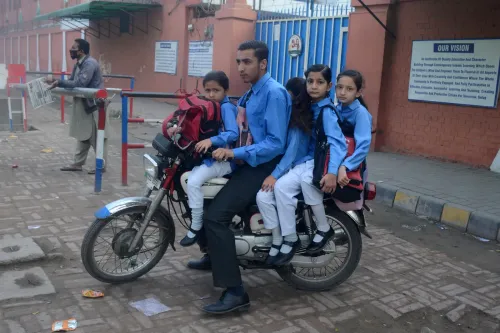
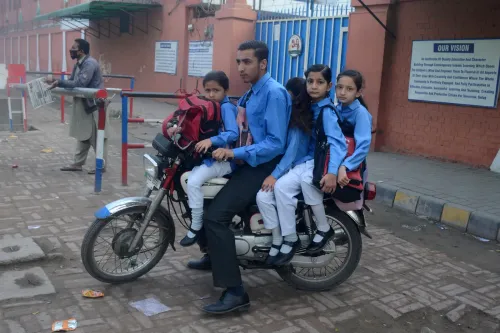
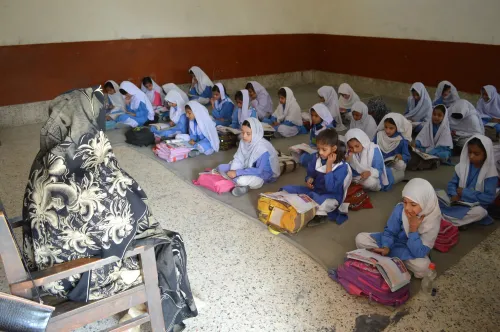
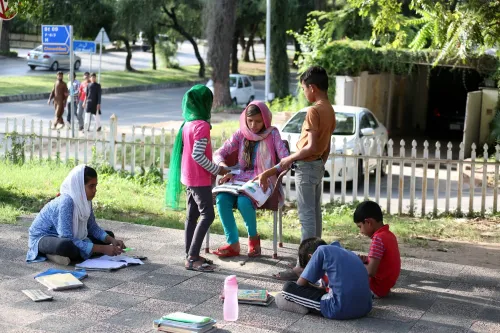
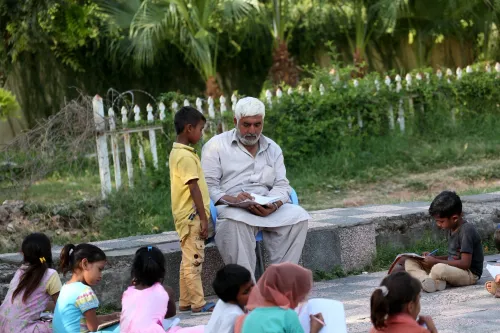
In Pakistan, nearly 30,000 public primary schools operate with only one teacher. This single individual is tasked with teaching, managing school records, overseeing enrolments, engaging with parents, and ensuring the school runs smoothly. This means that one teacher is responsible for multiple classes, conducting lessons, handling paperwork, and managing the school’s opening and closing.
This situation does not reflect commitment but indicates an institutional abandonment that has become normalized over time, as noted by Fahad Zafar, a senior manager at think-tank Tabadlab, in an opinion piece for The News International.
In Sindh, recruitment has been stalled due to the authorities' failure to appropriately classify hard and soft posting areas.
In Khyber Pakhtunkhwa, hiring was frozen amid political and bureaucratic gridlock, including long delays in forming a Cabinet.
Likewise, the School Education Department in Punjab suddenly ceased teacher recruitment in 2022, citing a need for administrative restructuring. This decision was made without a transition plan and without considering the workload of already overwhelmed teachers, leading to increased workloads and widening learning gaps.
In Balochistan, the hiring process faced repeated interruptions due to allegations of bribery and corruption, necessitating court interventions to prevent complete breakdowns in recruitment. While inquiries dragged on, students continued to suffer as files shuffled between offices.
As highlighted by Fahad Zafar in The News International, "When teacher recruitment ceases, access to education diminishes. Each year without hiring exacerbates student-teacher ratios. Restoring this damage will require a decade of consistent recruitment and placement merely to return to prior levels. This is a decade of lost learning and potential that no reform slogan can recover. Even when hiring resumes, instability will persist."
Transfers and postings remain politicized, with teachers assigned to rural and underserved schools frequently shifted to urban schools through influence and connections. The schools that need continuity the most are often left without teachers.
"Only recently, in 2024-25, has the system begun to regain momentum. Sindh has recruited nearly 93,000 teachers after years of stagnation. Punjab has decided to outsource thousands of underperforming public schools to private organizations to address the crisis. Balochistan and Khyber Pakhtunkhwa have announced intentions to hire approximately 9,000 and 17,000 teachers, respectively, to alleviate chronic shortages. These measures are significant, but they follow over half a decade of damage," Zafar stated in his opinion piece.
"To be clear, a ban on teacher recruitment is not an issue of fiscal discipline but an act of educational sabotage. It subtly yet steadily forces children out of school by depriving them of qualified educators. Temporary budget relief comes at the permanent expense of an entire generation. The education crisis in Pakistan is fueled not only by a lack of resources but also by abrupt decisions, poor execution, and short-term political thinking. Millions of children have suffered due to administrative failures," he concluded.
Point of View
It's crucial to recognize the impact of halted teacher recruitment in Pakistan. This issue transcends fiscal discussions; it is a matter of social responsibility. The future of our children hinges on the quality of education they receive. We must advocate for a system that prioritizes educational integrity and addresses the needs of underserved communities.
NationPress
24 Sept 2026
Frequently Asked Questions
Why was teacher recruitment halted in Pakistan?
Teacher recruitment was halted due to various administrative issues, including political paralysis, misclassification of posting areas, and allegations of corruption.
What is the impact of the recruitment freeze on students?
The freeze has led to increased student-teacher ratios, diminished access to quality education, and has set back learning outcomes significantly.
How many teachers are needed to address the shortage?
To restore the education system, a decade of consistent hiring and placement is required to return to baseline educational standards.
What steps are being taken to rectify the situation?
Recent announcements from provinces like Sindh, Punjab, Balochistan, and Khyber Pakhtunkhwa indicate plans to recruit thousands of teachers to address chronic shortages.
Is the current recruitment strategy effective?
The current strategy has been criticized for being reactive rather than proactive, lacking transition plans or consideration for existing teacher workloads.