Restoration of Over 14,000 Schools in Sindh Delayed Since 2022 Floods
Synopsis
As the aftermath of the 2022 floods continues to hinder educational access in Sindh, over 14,000 schools remain unrepaired. This delay exacerbates Pakistan's educational crisis, impacting millions of children, especially girls. Urgent action is needed to restore these vital institutions.
Key Takeaways
14,343 schools in Sindh are still awaiting restoration after the 2022 floods .
2,268 schools were completely destroyed.
28 percent of children aged 5-16 are out of school.
34 percent of girls are not enrolled in schools.
The national literacy rate is 63 percent .
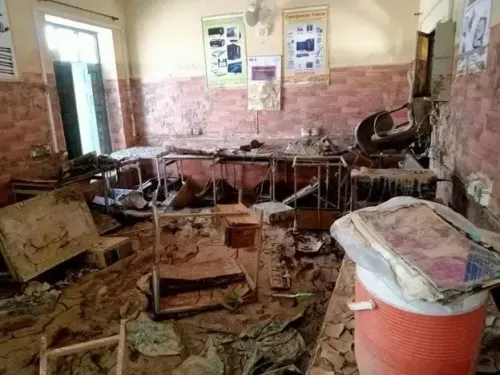
Islamabad, March 26 (NationPress) Over 14,343 out of 19,808 schools that were impacted by the catastrophic 2022 floods in Sindh, Pakistan, are still pending restoration, according to local media reports referencing official statistics. Approximately 2,268 schools were entirely obliterated, while 3,197 experienced partial damage during the calamity. To date, the government has initiated the rebuilding and rehabilitation of 5,465 schools via provincial, federal, and donor-funded initiatives, leaving 14,343 schools still in need of repair, as reported by Pakistan's prominent daily, Pakistan Observer.
The report emphasizes that Pakistan is grappling with a severe educational crisis, with millions of children currently out of school due to a variety of social, economic, and infrastructural challenges. The ongoing delays in the restoration of the flood-affected schools in Sindh exacerbate this predicament, denying countless children their fundamental right to education.
"It is alarming that nearly four years have elapsed since the devastating floods, yet a significant number of schools remain in disrepair. The extent of reconstruction achieved thus far is woefully inadequate compared to the demands of the situation, and this cannot be overlooked. Education serves as the cornerstone of any progressive society. Each day that a school remains closed is a day lost for children who are already struggling to access basic educational opportunities. The Sindh government must urgently prioritize the completion of all damaged schools," stated Pakistan Observer.
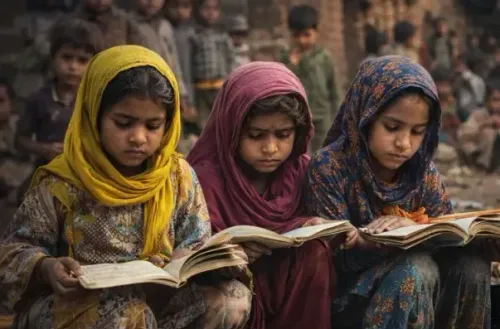
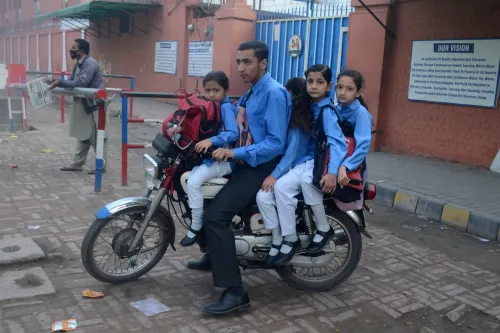
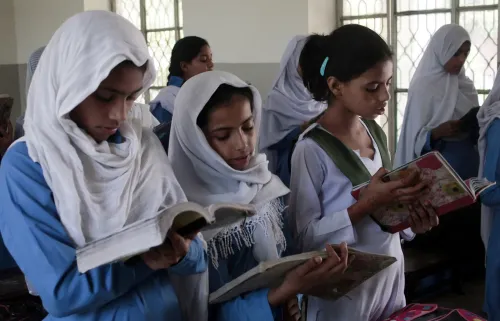
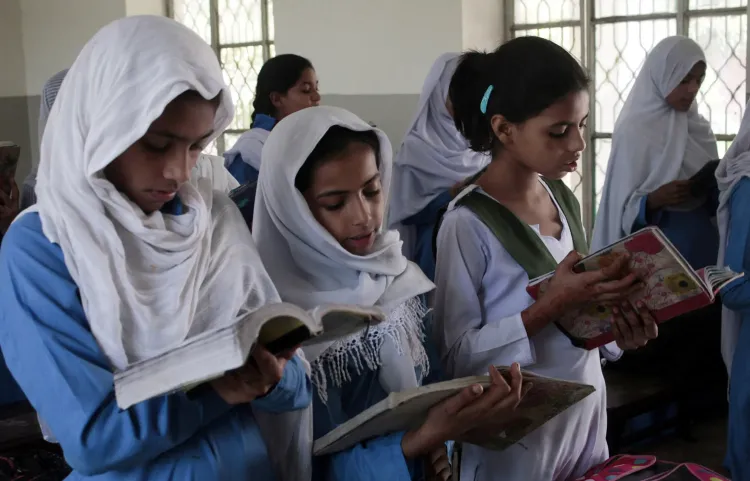
Additionally, around 28 percent of children in Pakistan, aged 5-16 years, are out of school. Alarmingly, the impact is disproportionately felt by girls, with 34 percent of them not enrolled in educational institutions, compared to 22 percent of boys, as reported by local media.
These disparities are particularly pronounced in the rural areas of Pakistan, especially for girls, where educational exclusion is more prevalent, highlighting how gender and geography hinder educational access.
According to a recent report by The Express Tribune, two-thirds of Pakistanis aged 10 years and above have attended school at some point, yet access to education remains highly unequal. The national literacy rate in Pakistan stands at 63 percent, with male literacy at 73 percent and female literacy at 52 percent.
Furthermore, literacy rates in urban areas reach 77 percent, compared to 56 percent in rural regions. While 68 percent of children are enrolled in primary schools, this figure drops significantly at higher educational levels, with only 40 percent continuing to middle school and about 30 percent progressing to matriculation.
This stark decline in student retention illustrates the challenges they face, particularly in rural and disadvantaged areas, pointing to structural barriers such as safety concerns, distance to schools, and rising opportunity costs as children age, particularly affecting rural girls.
Financial pressures, domestic responsibilities, and limited options for post-primary education further complicate the situation, particularly for girls who face societal expectations and early marriage.
Point of View
The ongoing delays in restoring flood-damaged schools in Sindh represent a significant barrier to education in Pakistan. With millions of children out of school, it is imperative that government authorities prioritize education as a fundamental right and act swiftly to address the situation, ensuring that all children have the opportunity to learn and thrive.
NationPress
5 Oct 2026
Frequently Asked Questions
How many schools in Sindh were affected by the 2022 floods?
A total of 19,808 schools were damaged during the 2022 floods in Sindh, with 14,343 still awaiting restoration.
What percentage of children in Pakistan are out of school?
Approximately 28 percent of children aged 5-16 years in Pakistan are currently out of school.
What is the literacy rate in Pakistan?
Pakistan's national literacy rate stands at 63 percent, with male literacy at 73 percent and female literacy at 52 percent.
Why are girls disproportionately affected by school closures?
Girls face additional challenges such as early marriage and societal expectations, which contribute to higher dropout rates compared to boys.
What is being done to restore the damaged schools?
The government has initiated reconstruction and rehabilitation efforts for 5,465 schools, but many remain unrepaired.